
Semaglutide Extends Mouse Lifespan by 12% and Outperforms Calorie Restriction
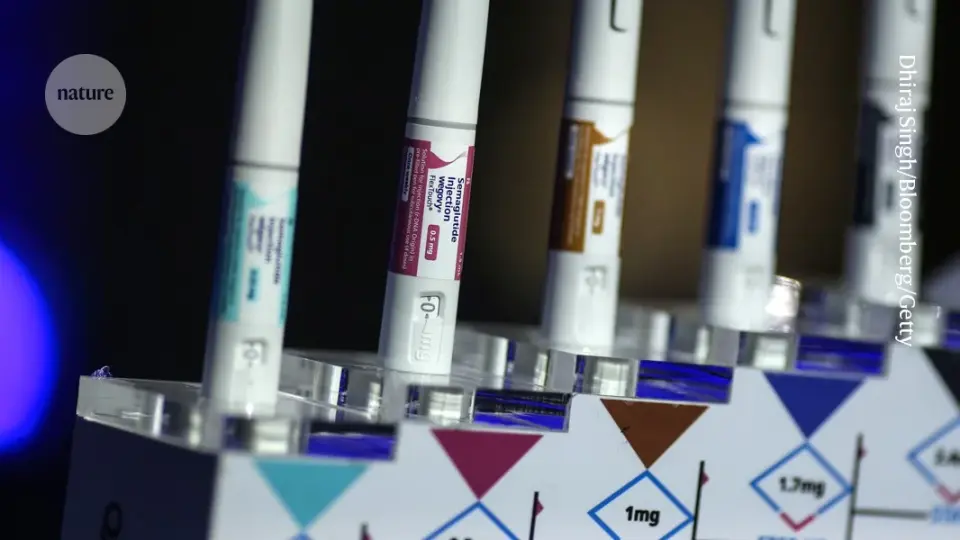
A new study in Nature shows that semaglutide, a GLP-1 drug used for obesity, extends the lifespan of older female mice by 12% and improves cognitive and physical health. The benefits exceed those of simple calorie restriction, suggesting the drug has unique anti-aging properties beyond appetite suppression.
Key points
- A study published in Nature on September 2, 2026, found that semaglutide extended the median lifespan of 20-month-old female mice from 742 to 834 days.
- Mice treated with semaglutide showed improved coordination, muscle function, blood sugar regulation, and spatial memory compared to untreated controls.
- The drug reduced inflammation and cellular aging markers, with liver gene activity showing decreased lipid metabolism and enhanced protein homeostasis.
- When compared to a calorie-restricted group, semaglutide-treated mice performed better in cognitive tests, indicating benefits not fully explained by reduced food intake.
- Researchers emphasize that these findings are preliminary and require human clinical trials to confirm anti-aging effects in people.
Background
GLP-1 drugs like semaglutide (Ozempic, Wegovy) have rapidly expanded their medical applications beyond diabetes and obesity, showing promise for cardiovascular health, kidney disease, and even mood stability in bipolar disorder. Previous mouse studies had hinted at anti-aging benefits, but this is the first rigorous study to isolate the drug’s effects from simple calorie restriction in a late-life cohort.
How outlets are covering it
Nature and Scientific American highlight the surprise that semaglutide outperformed calorie restriction in cognitive tasks, suggesting a mechanism beyond appetite suppression. C&EN focuses on the molecular changes in the liver and immune system. Asian Economic Daily provides detailed biological markers, noting improvements in bone marrow stem cells and neural activity. All sources agree that while the mouse data is promising, human translation is uncertain and requires further clinical trials. Michael Corley of UC San Diego calls the study 'rigorous' but cautions that proving human longevity benefits could take years.
Why it matters
If semaglutide can slow aging in humans, it could revolutionize preventive medicine, potentially treating multiple age-related diseases simultaneously. This could shift the drug from a weight-loss tool to a broad-spectrum longevity intervention, though cost and accessibility remain major barriers.
What to watch
Researchers are currently conducting a follow-up study to determine if calorie restriction or semaglutide extends lifespan more effectively. Clinical trials in healthy older adults are expected to begin soon to test whether the mouse results translate to human longevity and healthspan.
- Can GLP-1 drugs slow ageing? Mouse study shows promise Nature
- Could GLP-1 weight-loss drugs help you live longer? Scientific American
- GLP-1 agonist semaglutide slows aging in mice C&EN
- "Mice Administered Obesity Drug Ingredient Live Over 90 Days Longer and Show Improved Cognitive Function" 아시아경제
- Semaglutide Extends Mice Lifespan 12.4% in Study 조선일보
Want the full story? Read the original reporting
Read on Nature