A study published in Nature reveals that water interacts with microplastics to generate harmful hydroxyl radicals, challenging the belief that plastic is chemically inert. This reaction may explain how microplastics cause cellular damage and inflammation in the human body.
A new study in Nature reveals that microplastics are not chemically inert when exposed to water. Researchers from Columbia University and UC Berkeley found that these particles spontaneously generate hydroxyl free radicals, which can damage DNA and proteins. This mechanism, driven by the plastic's hydrophobicity, may explain how microplastics cause oxidative stress in the human body.
A new study in Nature reveals that microplastics are not chemically inert but spontaneously generate reactive oxygen species (ROS) when in contact with water. This reaction, which increases with the plastic's hydrophobicity, damages red blood cells and proteins, offering a potential mechanism for how microplastics cause oxidative stress and inflammation in the human body.
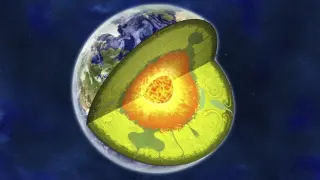
A new study published in Nature identifies gravitational torque between Earth's inner core and mantle as the primary driver of multidecadal changes in the length of a day. Researchers Huifeng Zhang and Mathieu Dumberry found that this gravitational influence competes with electromagnetic and topographic coupling, which act as buffers. These deep interior interactions have altered the day's length by several milliseconds between the early 1970s and 2021, providing new constraints on the physical properties of Earth's deep layers.
Researchers at Maynooth University in Ireland have developed a new DNA-based computer, termed the Scaffolded DNA Computer (SDC), capable of performing complex calculations without continuous electrical power. Published in Nature on September 16, the system uses billions of DNA strands in a saline droplet to self-assemble into answers via thermodynamic favorability. It successfully executed 100-bit additions in 14 hours and simple sums in 30 seconds, marking a significant leap in molecular computing speed and efficiency.
A study published in Nature identifies the receptor ERBB4 as a potential root cause of Alzheimer's disease. Researchers found that when this receptor appears in excitatory neurons, it triggers a cascade of brain damage, including synapse loss and cognitive decline. Targeting this receptor in mice reduced multiple symptoms simultaneously, suggesting a new therapeutic avenue.
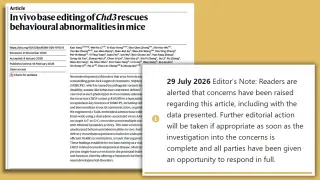
Nature and Shanghai Jiao Tong University have launched investigations into a 2025 gene-editing trial that resulted in the death of a six-year-old girl. The trial, led by neuroscientist Zilong Qiu, was partially funded by the patient's family for $860,000. A related paper published in Nature omitted details about the human trial and the patient's death, prompting an editor's note and institutional review.
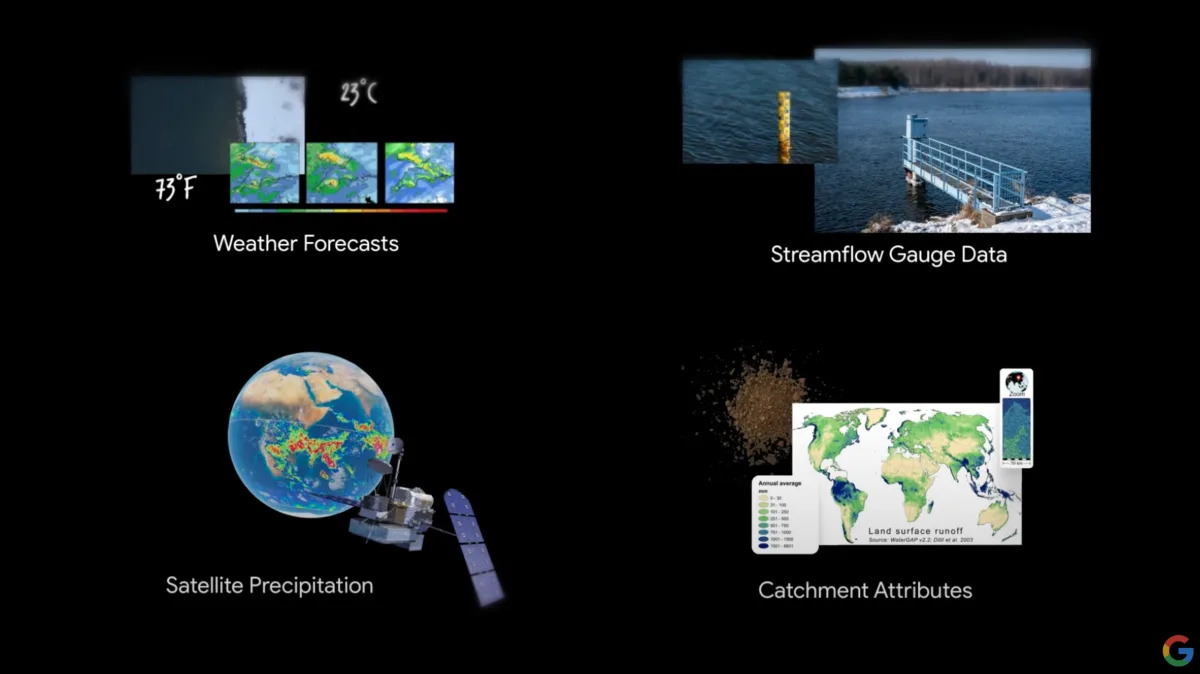
Google has used AI to predict riverine floods up to seven days in advance, with findings published in Nature journal. By training machine learning models with various data, including historical events and river level readings, Google generated localized maps and ran simulations to accurately predict floods. The technology provided accurate forecasting in 80 countries, benefiting 460 million people, and is available through Google Search, Google Maps, Android notifications, and the Flood Hub web app. Google aims to further improve flood forecasting models and create a global platform in collaboration with academic researchers.
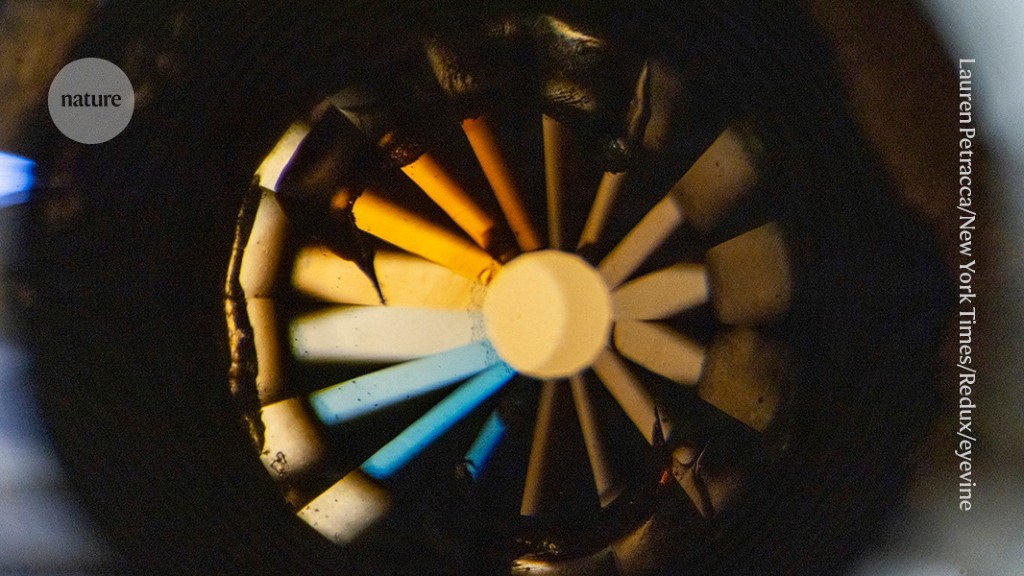
Physicist Ranga Dias, once celebrated for his claims of discovering room-temperature superconductors, has been embroiled in a scandal involving allegations of data manipulation and research misconduct. Investigations by the University of Rochester and Nature journal have revealed evidence of data fabrication and manipulation, leading to the retractions of Dias's papers. Former graduate students have come forward with accounts of how Dias concealed information, manipulated them, and shut them out of the research process. The scandal has raised questions about the handling of the situation by collaborators, the journal, and the university, and has caused serious harm to the careers of young scientists in the field.
The University of Rochester's claim of discovering a room-temperature superconductor, which could revolutionize energy storage and transportation, has been retracted by Nature journal due to doubts about its validity and the lead author, Ranga P. Dias. The paper failed to be replicated by other researchers and Dias resisted requests for detailed data. This is not the first retraction for Dias, raising questions about the quality control in scientific publishing. The University of Rochester is conducting an investigation into the integrity of Dias' data across multiple papers. The case highlights the challenges of achieving room-temperature superconductivity and the need for rigorous scrutiny in scientific research.
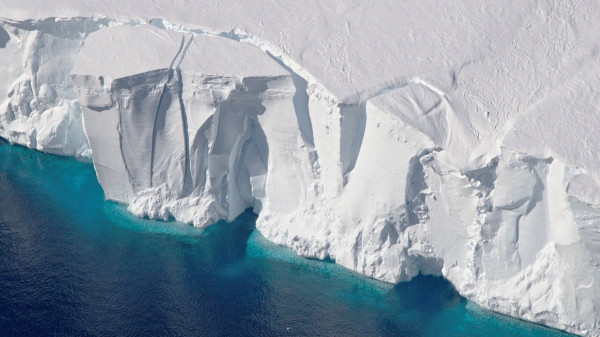
A study published in the Nature journal warns that deep ocean water flows from the Antarctic could decrease by 40% by 2050 due to rising ice melt caused by climate change, which could have a significant impact on global ocean currents and weather patterns.