
Chilean Mummy DNA Confirms European Origin of Smallpox in the Americas
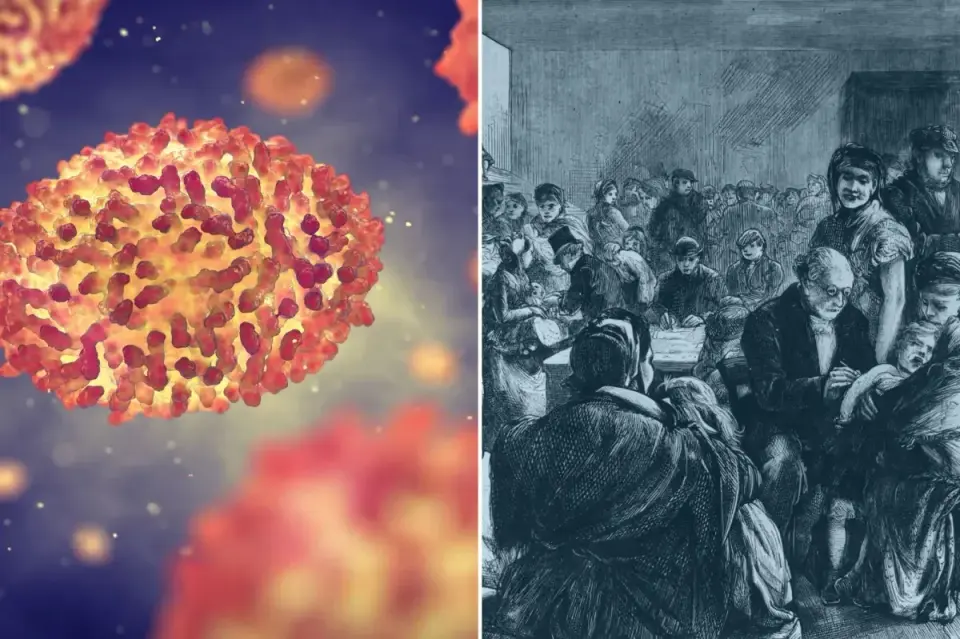
A study published in Science confirms that smallpox was introduced to the Americas by European colonists. Researchers analyzed ancient DNA from two mummies at the Camarones site in northern Chile, finding genetic traces of the virus that match European strains. This provides the first direct molecular evidence linking the disease to colonization, resolving a long-standing historical debate.
Key points
- Shigeki Nakagome and his team analyzed 13 bone samples from the Camarones archaeological site in northern Chile.
- They identified smallpox DNA in the remains of a woman (aged 30-35) and a man (aged 18-20) who died between 1492 and 1631.
- The genetic material closely matches European strains, confirming the virus was brought by colonists rather than originating locally.
- The discovery explains skin lesions on the mummies previously attributed to arsenic exposure, linking them to smallpox pustules.
- Historians estimate smallpox killed up to 95% of Indigenous populations, facilitating European conquest.
Background
This finding builds on earlier reports from our archive (July-August 2026) that highlighted the discovery of the oldest known smallpox DNA in the Americas. Previous coverage noted that the virus, known as Variola, was eradicated globally in 1980. The current study provides the definitive molecular link between European colonization and the catastrophic spread of the disease in South America, a topic previously debated based on historical records alone.
How outlets are covering it
The New York Post and Fox News emphasize the confirmation of a long-held historical theory, noting that while the link was suspected, this is the first direct molecular proof. The Economic Times provides a more technical perspective, detailing how the researchers were initially looking for tuberculosis or ancestry data but unexpectedly found well-preserved smallpox DNA. It also highlights the virus's evolution, noting it lost one or two genes per century. All sources agree on the timeline (1492-1631) and the location (Camarones, Chile), but differ in emphasis: Fox News focuses on the broader impact on Native populations, while the Economic Times details the specific genetic lineage and the accidental nature of the discovery.
Why it matters
This discovery provides concrete biological evidence for one of history's most devastating demographic shifts. It clarifies the origin of the smallpox epidemic that decimated Indigenous populations, offering a definitive answer to questions about how the virus spread across the Americas. It also corrects previous archaeological assumptions about the cause of skin lesions on the mummies, linking them directly to the disease rather than environmental factors like arsenic.
What to watch
Researchers will continue to analyze the smallpox family tree to understand how the virus evolved over time. Further studies may investigate whether the disease spread through Native trade networks or via the slave trade from Africa. The findings may also lead to a re-evaluation of other archaeological sites in the Americas for similar genetic evidence of colonial-era diseases.
- Mummy DNA exposes gruesome history of a deadly disease brought by colonists that ravaged early Americans New York Post
- Ancient mummy DNA reveals chilling clue to deadly disease that swept the Americas Fox News
- Earlier this year, researchers analyzed ancient Chilean mummies for traces of smallpox DNA. The evidence p economictimes.com
- First ancient smallpox genomes found in the Americas tie disease to European colonization Yahoo
Want the full story? Read the original reporting
Read on New York Post