
AlphaFold Database Expands to Cover Viral Protein Complexes for Pandemic Preparedness
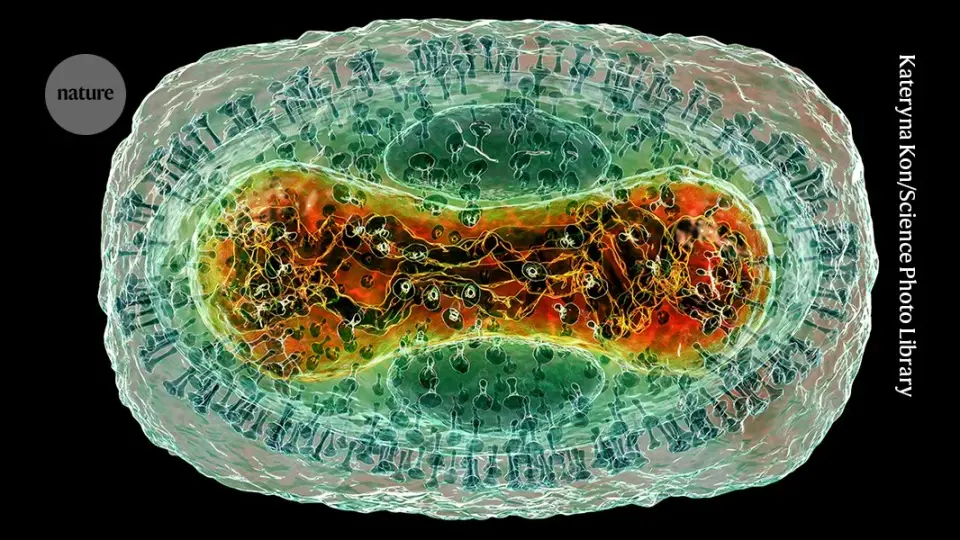
The AlphaFold Protein Structure Database has added over 8,000 predicted structures for viral protein dimers, covering 23 virus families that infect humans. This expansion, part of a new pandemic preparedness portal, aims to provide researchers with 3D models of viral interactions to accelerate drug and vaccine development. The initiative involved global collaborations, including Nvidia and Google DeepMind, and addresses a previous gap in the database where viral proteins were often poorly represented due to complex genetic sequences.
Key points
- Researchers added 8,000 virus protein dimers to the AlphaFold database, covering 23 human-infecting virus families.
- The update is part of a new 'pandemic preparedness portal' designed to aid future outbreak response.
- Nvidia contributed its BioNeMo Inference Runtime to speed up the prediction of viral protein structures.
- The database now contains over 260 million protein and complex models, with 30% of new viral links being previously unseen.
- Predictions for larger complexes, such as trimers, are not yet included due to accuracy limitations.
Background
This development follows earlier expansions of the AlphaFold database, which in early 2026 added 1.7 million protein pairs from 20 widely studied organisms, including humans and mice. Previously, viral proteins were a 'blind spot' in the database due to the complexity of polyprotein processing. Recent studies have also highlighted the importance of protein interaction maps in drug discovery, such as in autism research, and the potential for viral reactivation in severe illness cases, underscoring the need for comprehensive viral data.
How outlets are covering it
Nature emphasizes the scientific significance of the update, noting that while the new data is valuable, it requires experimental confirmation and lacks sugar molecules that help viruses evade immune detection. Joe Grove of the University of Glasgow highlights the importance of viral proteins acting in concert with partners. TipRanks focuses on the commercial and collaborative aspects, detailing Nvidia's role in providing computational power and noting that the stock dipped due to broader market factors rather than the news itself. TipRanks also mentions that the data is free for global use, potentially aiding regions with limited research tools.
Why it matters
This expansion of the AlphaFold database provides a critical resource for pandemic preparedness by offering 3D structures of viral protein complexes. It enables researchers to study how viruses function and interact, potentially accelerating the development of drugs and vaccines. The open-access nature of the data could democratize virology research, especially in regions with limited resources, and help scientists respond more effectively to future outbreaks.
What to watch
Researchers plan to include predictions for larger complexes, such as trimers, in future updates. Teams like Joe Grove's are expected to analyze the new data to further their research on viral entry proteins. The availability of the BioNeMo Structure Prediction Pipeline may encourage more researchers to generate 3D models from protein codes, potentially leading to new discoveries in virology and drug development.
- AlphaFold 'goes viral': database adds protein complexes of common viruses Nature
- How Open Science Can Help Researchers Prepare for the Next Pandemic NVIDIA Blog
- New AlphaFold Database release adds viral protein complexes to support pandemic preparedness Phys.org
- Nvidia Stock (NVDA) Slips Despite a New Virus Research Collaboration TipRanks
Want the full story? Read the original reporting
Read on Nature