
Chilean Mummy DNA Confirms European Origin of Smallpox in the Americas
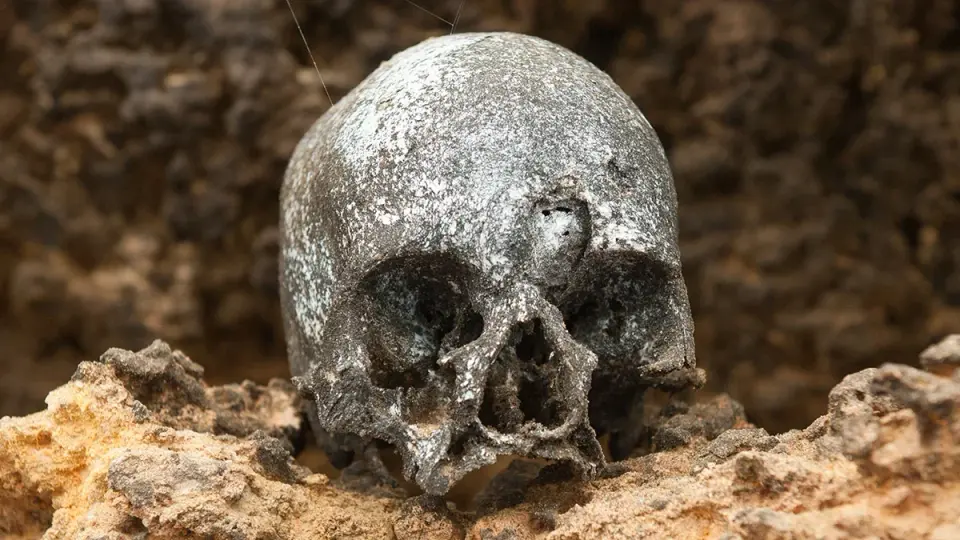
Researchers have identified the first ancient smallpox genomes in the Americas, extracted from two mummified individuals in northern Chile dating between 1492 and 1631. The genetic evidence confirms that the variola virus was introduced by European colonizers, providing the first molecular proof of the disease's arrival in the region. The study, published in Science, reveals that the virus evolved from medieval European strains and highlights the impact of colonization on Indigenous populations, which lacked immunity to the pathogen.
Key points
- Variola virus DNA was recovered from two mummies at the Camarones 9 site in northern Chile, dating to 1492-1631.
- The genomes are nearly identical, suggesting the individuals were infected during the same outbreak or by the same circulating strain.
- The virus lineage, named CAM9, fits between medieval European strains and modern variants, confirming European origin.
- The discovery provides the first molecular evidence that smallpox was introduced to the Americas through colonization.
- The study highlights the ethical and scientific importance of preserving ancient DNA research in the Global South.
Background
Previous evidence for smallpox's impact in the Americas relied on historical records, which often underestimated the scale of the pandemic. This study builds on earlier findings, such as the 2026 analysis of 16th-century Chilean skeletons that suggested early smallpox strains may have been less deadly than later variants. The new research adds to a growing body of evidence, including 16th-century toddler remains in Peru with lesions suggestive of smallpox, that confirms the virus's devastating effect on Indigenous populations.
How outlets are covering it
ScienceAlert and Live Science emphasize the significance of the genetic evidence in confirming the European origin of smallpox in the Americas, highlighting the impact on Indigenous populations. The New York Times focuses on the potential for early smallpox strains to have been less deadly, suggesting a complex evolutionary history. New Scientist underscores the ethical implications of the research, noting the sensitivity of disturbing Indigenous remains and the importance of preserving scientific expertise in the Global South. All sources agree on the historical significance of the finding but differ in their emphasis on the virus's evolution, the ethical concerns, and the broader implications for understanding colonization.
Why it matters
This discovery provides the first molecular evidence of smallpox's introduction to the Americas, confirming the devastating impact of European colonization on Indigenous populations. It also offers insights into the virus's evolution and adaptation, which may inform modern understanding of related diseases like mpox. The study highlights the need for balanced scientific collaboration and resource allocation between the Global North and South.
What to watch
Researchers hope to find more ancient variola virus samples in the Americas to complete the picture of smallpox's evolution and movement. The study also calls for greater investment in scientific capacity in the Global South to ensure that such findings are analyzed and preserved locally.
- 'Clear Evidence': Ancient DNA From Chilean Mummies Reveals Who Brought Smallpox to The Americas ScienceAlert
- ‘This Is Very Strange’: Ancient Smallpox May Have Been Less Deadly The New York Times
- Smallpox DNA in ancient Inca mummies shows virus came from Europe New Scientist
- Ancient mummy DNA provides scientific evidence that colonization brought smallpox to the Americas AP News
- 500-year-old Inca mummies prove that European colonists brought devastating smallpox to the Americas livescience.com
Want the full story? Read the original reporting
Read on ScienceAlert