Tag

Colonization

All articles tagged with #colonization

Chilean mummy DNA traces post‑contact arrival of smallpox in the Americas
science12 days ago

Chilean mummy DNA traces post‑contact arrival of smallpox in the Americas

Genetic analysis of 13 bone samples from the Camarones site in northern Chile uncovered two smallpox infections dating to 1492–1631, providing the strongest evidence yet that smallpox arrived in the Americas after European contact; researchers say the virus could have spread via established Native trade networks or through Africa during the slave trade, and note that smallpox was eradicated in 1980.

Ancient Chilean Mummies Illuminate How Smallpox Reached the Americas
human-history22 days ago

Ancient Chilean Mummies Illuminate How Smallpox Reached the Americas

New DNA analysis of two late 15th–early 17th‑century Chilean mummies uncovered a lost variola (smallpox) strain, providing the first molecular evidence that Europeans carried smallpox to the Americas during colonization and revealing how the virus evolved when Indigenous populations had little immunity; the study also notes how vaccination by Jenner eventually slowed the virus, contributing to its global eradication.

Martian dust could derail the Mars dream, a physicist warns
science1 month ago

Martian dust could derail the Mars dream, a physicist warns

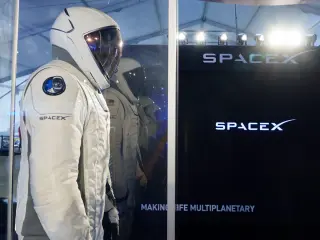
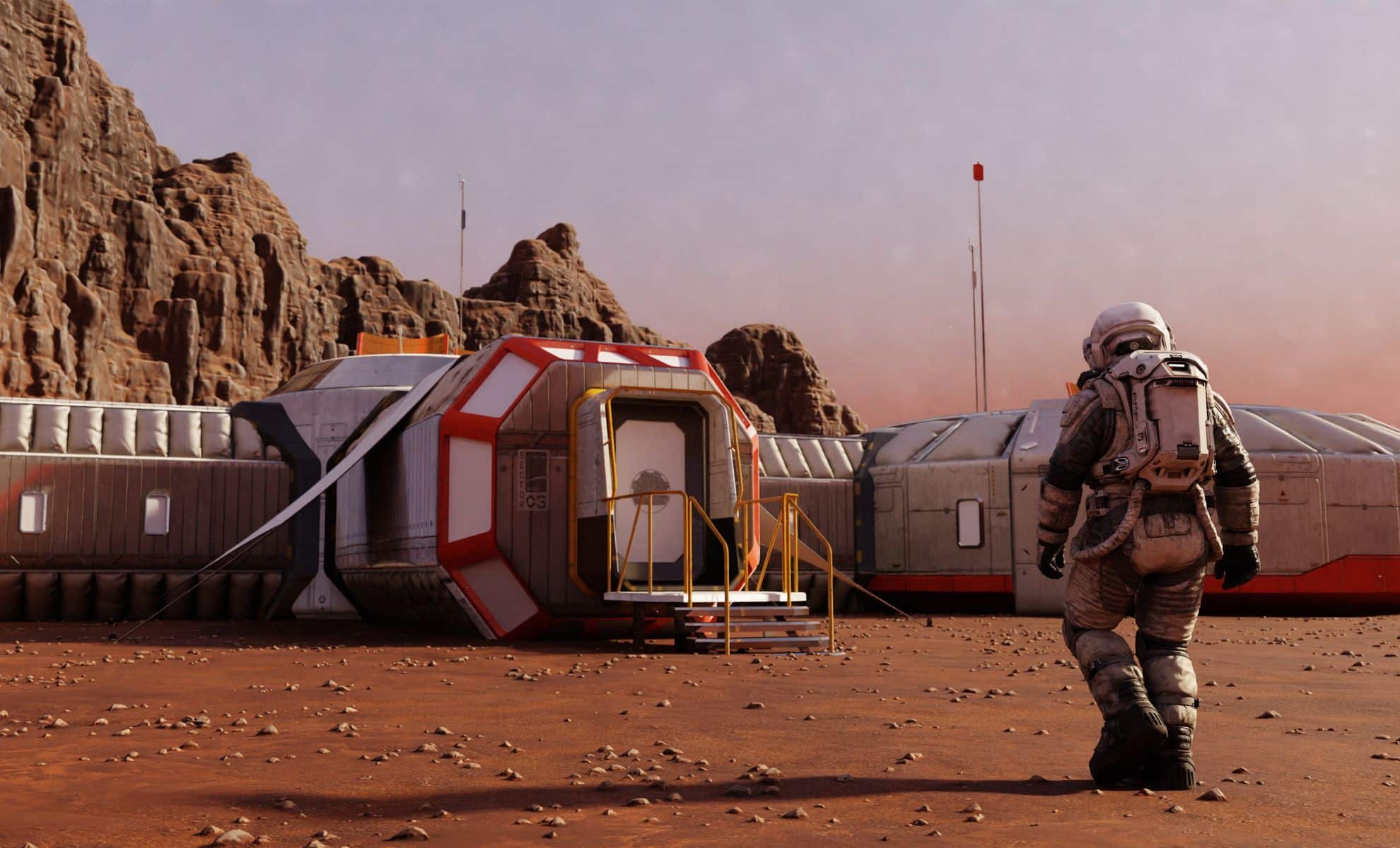
Astrophysicist Adam Becker says Martian dust is a major obstacle to SpaceX’s Mars colonization dream: the fine, toxic dust could cling to spacesuits and contaminate habitats, water, and food, and underground shelters wouldn’t fully solve the problem. Coupled with radiation, low gravity, and massive life-support challenges, a self-sustaining Mars settlement is not theoretically impossible but far more difficult and likely to take much longer than current plans suggest.

Mars Atmosphere Could Backstop Human Water Supply on the Red Planet
space7 months ago

Mars Atmosphere Could Backstop Human Water Supply on the Red Planet

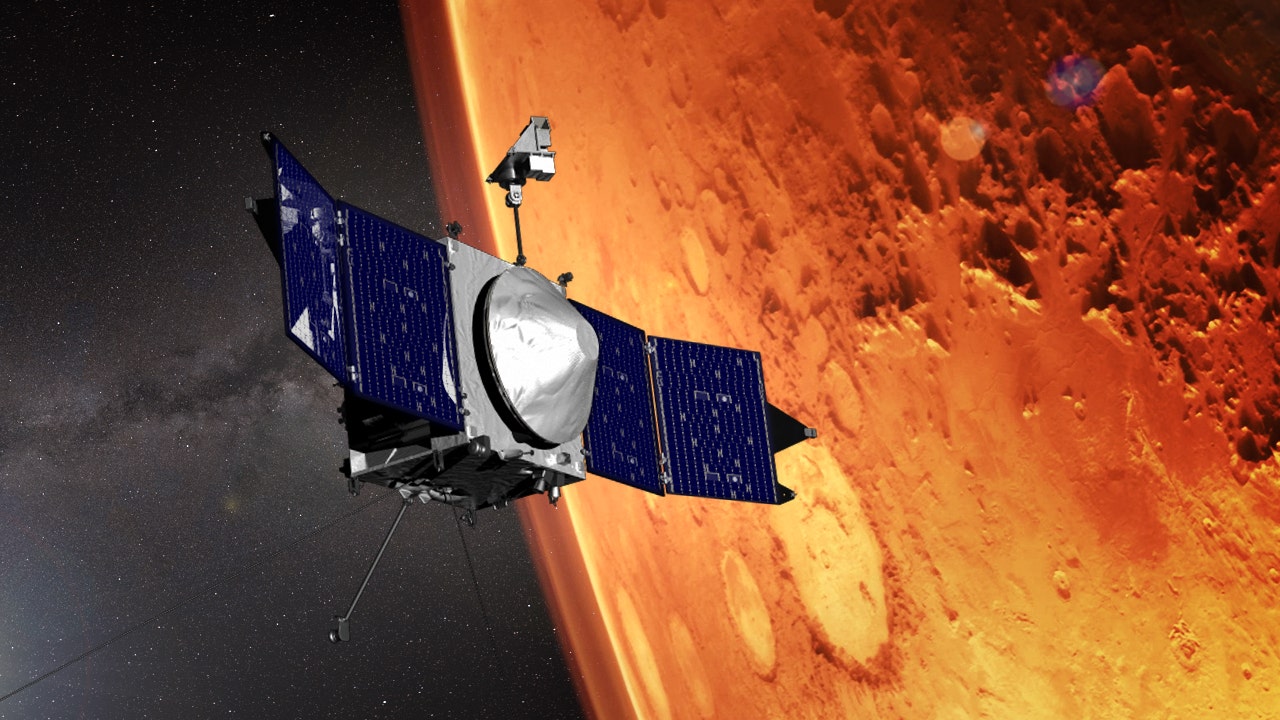
A study in Advances in Space Research suggests Martian atmospheric moisture could serve as a backup water source for future crewed missions, alongside underground ice as the primary long-term option; it evaluates moisture-harvesting technologies, energy needs, and deployment challenges, advocating a layered approach that combines ice, soil moisture, and atmospheric capture to support sustainable exploration and potential settlement.

space-exploration11 months ago

Contrasting Venus and Earth: From Hell to Eden

The article explores the idea of living on Venus through floating cloud cities at 30 miles altitude, where conditions could be Earth-like, and discusses the engineering challenges and motivations behind colonizing other planets, emphasizing that space colonization is driven by exploration, survival, and resource considerations rather than practicality. It also debates the feasibility of terraforming planets like Mars and Mercury, and the broader implications of space colonization for humanity's future.

television1 year ago

Jason Momoa's 'Chief of War' Debuts as a Thrilling Hawaiian Epic on Apple TV+

'Chief of War' is a grand, historically detailed series on Apple TV+ that explores the unification and colonization of Hawai'i in the 18th century, highlighting themes of greed, power, and cultural survival through the story of Ka’iana and the island kingdoms. The series is immersive, with dialogue in Hawaiian and rich visuals, offering a deep dive into Hawaiian history and the impact of colonization.

"Starship's Journey: From Test Flights to Future Missions"
space-exploration2 years ago

"Starship's Journey: From Test Flights to Future Missions"

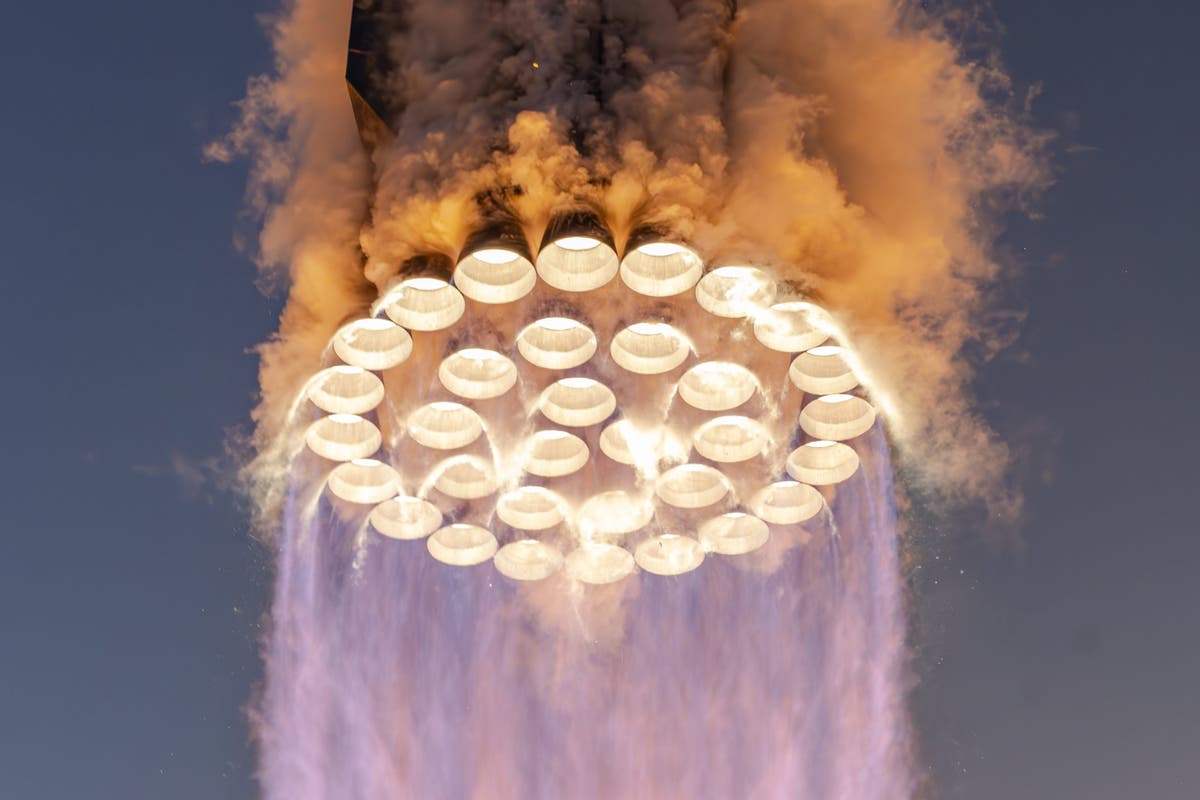
SpaceX's Starship rocket, the most powerful and fully reusable spacecraft, successfully reached orbit for the first time, marking a significant milestone in the company's efforts to colonize another planet. Measuring 120 meters tall, it became the heaviest single object ever sent into space and is designed to take both crew and cargo to the moon and beyond, showcasing its potential for space travel and exploration.

"Exploring Taiwan's Unique Cuisine Through a History of Colonization"
food-and-culture2 years ago

"Exploring Taiwan's Unique Cuisine Through a History of Colonization"

Taiwanese food is distinct from Chinese cuisine, with its own unique pantry items and a sweeter flavor profile, influenced by the island's history of colonization. The Dutch and Japanese occupations shaped Taiwan's sugar and rice industries, leading to the incorporation of sugar in savory dishes and the cultivation of short-grain rice. Shuixian Gong Market in Tainan showcases the abundance of fresh ingredients and traditional Taiwanese cuisine staples, reflecting the island's culinary heritage.

Jeff Bezos Envisions Massive Cylindrical Space Stations as Future Homes for Humans
space-exploration2 years ago

Jeff Bezos Envisions Massive Cylindrical Space Stations as Future Homes for Humans

Amazon founder Jeff Bezos believes that humans should live in giant cylindrical space stations rather than colonizing other planets, setting out a different vision from his rival Elon Musk. Bezos envisions a future with a trillion humans living in the solar system, utilizing the abundant resources and energy available in space. He highlights the advantages of space stations, such as the ability to create Earth-like gravity and position them strategically. Bezos also suggests that people may one day visit space stations for vacations, similar to how people visit national parks today.

"Revolutionary Robot Chemist Paves the Way for Mars Colonization with Oxygen Production"
science-and-technology2 years ago

"Revolutionary Robot Chemist Paves the Way for Mars Colonization with Oxygen Production"

A study published in Nature Synthesis suggests that a robot chemist powered by artificial intelligence could efficiently produce oxygen for human survival on Mars. The study highlights the challenge of finding the optimal oxygen evolution reaction (OER) catalysts among the million possibilities on Mars, which could take humans a lifetime to accomplish. By utilizing AI robots, the process could be completed within six weeks, without the need for human intervention. This advancement in robot chemistry could pave the way for human exploration and colonization of extraterrestrial planets.