
Anesthesia's 180-Year Mystery May Be Solved by a Universal Neural Signature
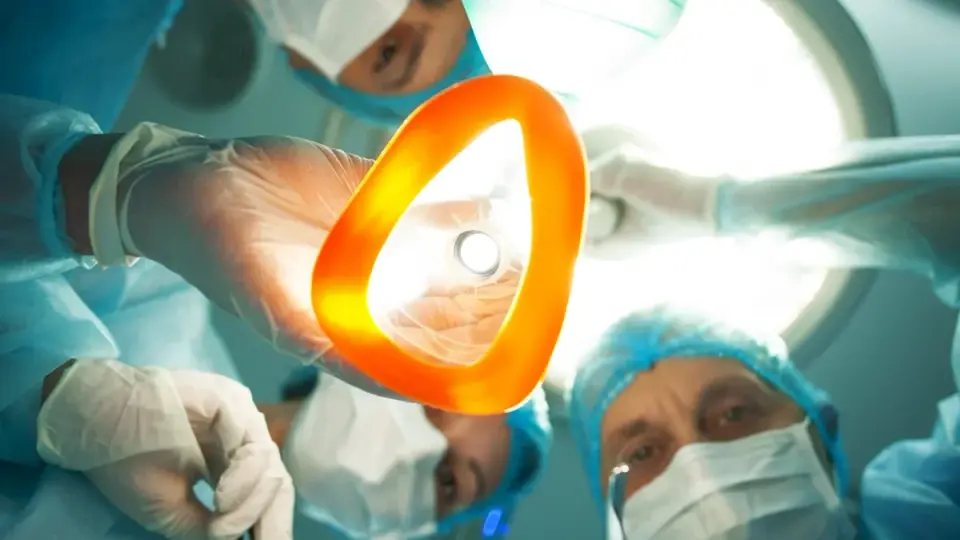
A new study suggests that general anesthesia, despite being 180 years old, operates through a universal neural mechanism. Researchers found a common dynamic signature across six animal species, indicating that unconsciousness involves a breakdown in brain coordination rather than a total shutdown.
Key points
- The study analyzed brain activity in six different animal species to identify a common thread in how anesthesia induces unconsciousness.
- Findings indicate that while brain regions remain active under anesthesia, their coordination and temporal predictability break down, a phenomenon described as 'spatiotemporal isolation'.
- This universal dynamic signature suggests a consistent mechanism for unconsciousness across different species, distinct from simply shutting down the brain.
- The research provides a potential explanation for the long-standing mystery of how anesthesia works, offering a new perspective on the neural basis of consciousness.
Background
This development builds on earlier research from October 2026, which identified a conserved neural dynamic of anesthesia across hundreds of millions of years of evolution. Previous studies, including those by Luppi and colleagues, highlighted that minimal cortical circuits in lab-grown brain models could replicate the slow brain waves of anesthesia without deep brain structures like the thalamus. The current study reinforces these findings by demonstrating that this neural signature is not only conserved across evolution but also identifiable across multiple animal species, suggesting a fundamental biological mechanism for unconsciousness.
Why it matters
Understanding the universal neural signature of anesthesia could lead to the development of more effective and safer anesthetic agents. By identifying the specific brain dynamics that induce unconsciousness, researchers may be able to design drugs that target these mechanisms more precisely, reducing the risk of side effects and improving patient outcomes. This knowledge could also enhance our understanding of consciousness and its neural correlates, potentially impacting treatments for disorders related to altered states of awareness.
What to watch
Future research will likely focus on validating these findings in human subjects and exploring how the identified neural signature can be targeted for the development of new anesthetic drugs. Additionally, further studies may investigate the implications of this universal mechanism for understanding consciousness and its role in various neurological conditions.
Want the full story? Read the original reporting
Read on Yahoo