
Antarctic penguin die-off traced to avian cholera, not bird flu
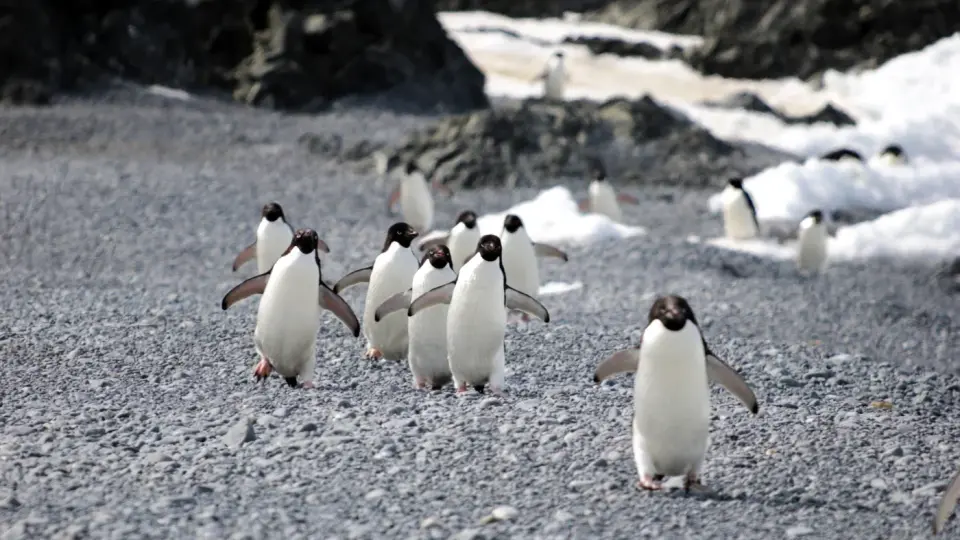
A massive die-off of Adélie penguins in the Danger Islands near Antarctica in early 2024 was caused by avian cholera, not the highly pathogenic avian influenza (H5N1) that researchers initially feared. Dr. Ralph Vanstreels and colleagues found over 537 carcasses on a single landing ramp, with thousands more across the islands. While bird flu was present, viral loads were too low to explain the mortality. Microscopic analysis revealed bacteria in the tissues, confirming avian cholera as the primary killer. This finding highlights the need for broader disease surveillance in Antarctica, as the continent is more connected to global pathogen networks than previously assumed.
Key points
- In March 2024, a team led by Dr. Ralph Vanstreels discovered over 537 Adélie penguin carcasses on a single landing ramp in the Danger Islands, with estimates of thousands more deaths across the region.
- Researchers initially suspected H5N1 avian influenza, which had arrived in Antarctica in late 2023, but found low viral loads in the deceased birds, suggesting it was not the primary cause of death.
- Microscopic analysis of tissues revealed bacteria, identifying avian cholera as the actual cause of the mass mortality.
- Avian cholera is distinct from human cholera and poses low risk to humans, but it thrives in cold environments and kills birds worldwide.
- The strain of avian cholera found in Antarctica is closely related to strains found in the Southern Indian Ocean, indicating global connectivity of disease transmission.
- The findings, published in the Proceedings of the Royal Society B, emphasize the need for international collaboration and broader disease surveillance in Antarctica, which is not governed by a single nation.
Background
This event occurs amid a global surge in avian influenza, which has killed nearly 300 million poultry birds since late 2021 and recently reached mainland Australia in June 2026. Australia had been the only continent free of the virus until then, with the outbreak likely arriving via migrating birds from Antarctica. Recent domestic incidents, such as the culling of over 934,000 hens in Illinois in October 2026 and the death of a famous bald eagle in California from H5N1 in August 2026, underscore the ongoing threat of bird flu. However, the Antarctic penguin die-off reveals that other pathogens, like avian cholera, may be causing significant wildlife mortality without adequate monitoring, as the last systematic search for this disease in the Antarctic Peninsula was 25 years ago.
Why it matters
The discovery that avian cholera, not bird flu, caused a massive penguin die-off in Antarctica underscores the limitations of focusing solely on H5N1 in global disease surveillance. It highlights the need for comprehensive monitoring of multiple pathogens in remote regions, as diseases can travel via migrating birds and may be more prevalent than previously thought. This case also emphasizes the importance of international collaboration, as Antarctica is governed by multiple nations under the Antarctic Treaty, and effective pathogen tracking requires coordinated efforts to understand global disease dynamics and prevent future outbreaks.
What to watch
Researchers will likely expand surveillance for avian cholera and other diseases in Antarctica, given the evidence that such outbreaks may be recurring but undetected. International collaboration among the 58 parties of the Antarctic Treaty may intensify to improve disease tracking and data sharing. Additionally, scientists may investigate the origins of the avian cholera strain, including theories that it was introduced decades ago via poultry brought by researchers, to better understand transmission pathways and mitigate future risks to wildlife and potentially human health.
Want the full story? Read the original reporting
Read on NPR