
Mosquito Bites Driven by Skin Chemistry, Not Blood Type; Habitat Loss Shifts Feeding Habits
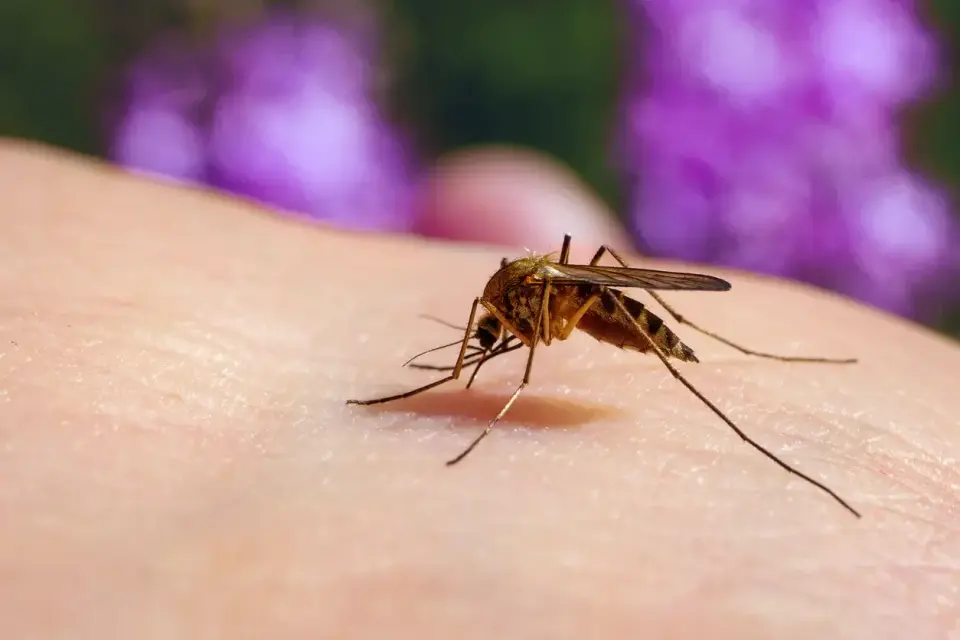
Mosquitoes target individuals based on skin microbiome and carboxylic acid emissions, not blood type. While personal scent is genetically fixed, using EPA-registered repellents like DEET and avoiding floral soaps can reduce bites. Meanwhile, habitat loss in Brazil is forcing some mosquito populations to feed more frequently on humans, increasing disease transmission risks.
Key points
- Rockefeller University research indicates 'mosquito magnets' are up to 100 times more attractive to insects due to stable genetic and microbiome factors.
- A Virginia Tech study found that floral and fruity soaps increase mosquito attraction by mimicking plant scents, whereas plain coconut-based soaps are less attractive.
- Only female mosquitoes bite, requiring blood protein for egg development; they rely on carbon dioxide, heat, and skin odors to locate hosts.
- In Brazil’s Atlantic Forest, DNA analysis of 24 usable mosquito samples showed a preference for human blood, likely due to the decline of wild animal hosts.
- Experts recommend EPA-registered repellents containing DEET or picaridin, loose clothing, and fans, as mosquitoes are poor flyers and can be disrupted by airflow.
Background
Previous coverage in June 2026 established that factors like carbon dioxide output, body heat, and specific skin compounds such as 1-octen-3-ol drive mosquito attraction. That reporting also noted that alcohol consumption and pregnancy can increase bite likelihood by altering metabolic signals. The current developments expand on these biological mechanisms by highlighting the impact of soap choices and the ecological shift toward human feeding in fragmented forests.
How outlets are covering it
Futura-Sciences emphasizes the role of skin chemistry and the counterintuitive finding that scented soaps worsen bite risk, urging a shift to fragrance-free evening routines. USA Today contrasts this with tick behavior, noting that while mosquitoes actively seek hosts based on scent, ticks rely on passive contact with vegetation, making habitat exposure more critical than body chemistry for tick prevention. CBC focuses on the biological necessity of blood for female mosquitoes and the myth of 'sweet blood,' reinforcing that skin bacteria determine attraction. The Times of India highlights a broader ecological perspective, arguing that habitat destruction in Brazil is altering mosquito feeding habits, potentially increasing the spread of diseases like dengue and Zika, whereas other outlets focus on individual prevention strategies.
Why it matters
Understanding that mosquito attraction is largely determined by immutable skin chemistry helps dispel myths about blood type or garlic consumption. However, the shift toward human feeding in areas with reduced wildlife, as seen in Brazil, suggests that environmental conservation is a public health issue. Effective prevention requires moving beyond ineffective hacks like vitamin B or wristbands to proven methods like DEET and habitat management.
What to watch
Researchers in Brazil plan to continue monitoring mosquito behavior in the Atlantic Forest and develop better sampling methods to understand how environmental changes influence disease risks. Meanwhile, public health experts recommend maintaining EPA-registered repellent use and habitat management strategies to mitigate the increased interaction between humans and mosquitoes.
- Say goodbye to mosquito bites: the science-backed way to be less of a magnet futura-sciences.com
- Mosquitoes like some people more than others. Is that true for ticks? USA Today
- VERIFY: Are mosquitoes more attracted to certain blood types? Here's what experts say WCNC
- WATCH — Don’t let the mosquitoes bug you. Here’s why they bite | story | Kids News CBC
- Human blood is becoming a preferred choice for mosquitoes, and scientists think Brazil’s disappearing forests may be the reason The Times of India
Want the full story? Read the original reporting
Read on futura-sciences.com