
New evidence challenges the idea that syphilis arrived in Europe only after Columbus
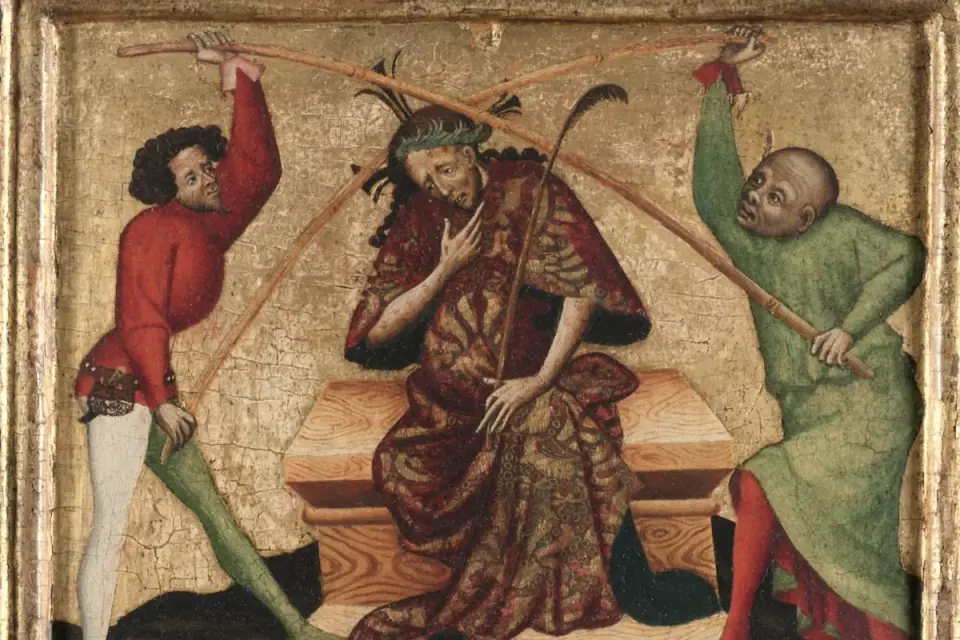
Research suggests syphilis existed in Europe before 1492, contradicting the theory that it was brought back from the Americas by explorers. Evidence includes skeletal remains, medieval art, and historical records.
Key points
- Historian Alfred W. Crosby's 'Columbian Exchange' theory posited that Europeans brought diseases like smallpox to the Americas and returned with syphilis.
- Paleopathologists have found skeletal evidence of syphilis in Europe dating back centuries before 1492, including a 6th-century skeleton in West Sussex, a 13th-century teenager in Turkey, and a child in Austria.
- Medieval artworks, such as a 1400 painting of Christ's torturers, depict 'saddle nose,' a deformity associated with syphilis, suggesting the disease was known and recognized in Europe.
- Historian Marylynn Salmon argues that medieval elites suffered more severely from syphilis than peasants due to lack of prior immunity from milder infections, citing the death of King Edward IV of England.
- The distinction between syphilis and other treponematosis diseases like bejel and yaws is crucial, as the latter are not sexually transmitted and are less severe.
Background
This story builds on previous archaeological findings, such as the discovery of 40,000-year-old ivory bird figurines in Germany, which highlight the importance of physical evidence in understanding historical developments. It also relates to broader discussions on the impact of the Columbian Exchange on global history.
Why it matters
Understanding the origins of syphilis challenges long-held historical narratives and provides insights into how diseases have shaped human history. It also highlights the importance of interdisciplinary research, combining archaeology, art history, and medical science, to uncover the past.
What to watch
Further research may clarify the distinction between syphilis and other treponematosis diseases in pre-Columbian Europe. Additionally, more studies on medieval art and historical records could provide further evidence of the disease's presence.
Want the full story? Read the original reporting
Read on Yahoo News Canada