
Brain Activity in Liminal Sleep-Wake States May Explain Out-of-Body Experiences
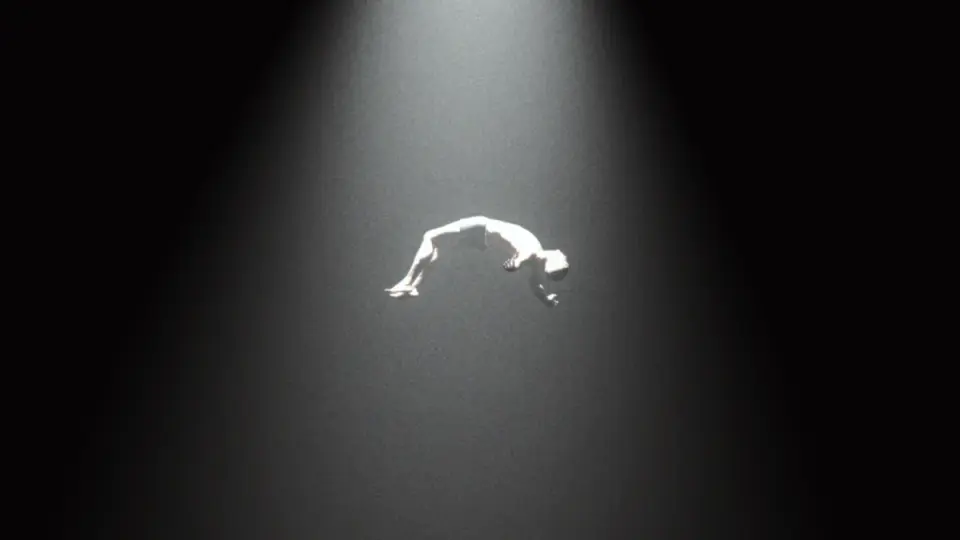
A study by Radboud University researchers suggests that out-of-body experiences and other unusual bodily sensations occur when the brain’s activity blends features of both sleep and wakefulness, blurring the boundaries between these states.
Key points
- Researchers at Radboud University in the Netherlands investigated unusual bodily experiences (UBEs), such as sleep paralysis and out-of-body sensations, by monitoring brain activity during the transition between sleep and waking.
- The study involved 35 participants with experience in lucid dreaming or meditation, who used specific eye movements to signal when they experienced unusual sensations during meditation, REM sleep, non-REM sleep, or sleep arousals.
- Of the 35 participants, 20 reported 36 UBEs, including floating, falling, spinning, vibrations, and the sensation of leaving the body, with the most occurrences during meditation.
- EEG data showed that UBEs were associated with a decrease in slower delta and theta waves and an increase in faster beta and gamma waves, particularly in the temporal regions of the brain responsible for sensory processing and body perception.
- The brain activity during UBEs appeared to combine characteristics of both sleeping and waking states, suggesting that these experiences arise from a blurred boundary between consciousness and sleep rather than a specific sleep stage.
Background
This research builds on previous investigations into anomalous experiences, such as the 2026 University of Virginia study on remote viewing during out-of-body experiences, which found no evidence for enhanced perception despite some anomalous reports. It also follows broader discussions on sleep hygiene and bodily sensations, including recent expert analysis on the sock-to-bed trend and its impact on sleep onset, highlighting ongoing interest in how physical and mental states interact during rest.
Why it matters
Understanding the neural mechanisms behind unusual bodily experiences could provide insights into how the brain constructs our sense of bodily self and consciousness, potentially offering clues for treating related disorders like sleep paralysis or enhancing meditation practices.
What to watch
Further research is needed to determine whether the entire brain enters an intermediate state during UBEs or if different regions simultaneously engage in sleeping and waking activity, as well as to explore how the brain constructs illusory sensations that feel real.
Want the full story? Read the original reporting
Read on ScienceAlert