Tag

Sleep Research

All articles tagged with #sleep research

UK Researchers Restore Sleep in Alzheimer's Mice by Targeting Immune Cells, Not Plaques
science1 day ago

UK Researchers Restore Sleep in Alzheimer's Mice by Targeting Immune Cells, Not Plaques

University of Kentucky researchers found that removing 87% of brain immune cells in mice with Alzheimer's-like pathology restored over two hours of daily sleep without reducing amyloid plaques. The study identifies microglia-driven inflammation, not plaque accumulation itself, as the primary cause of sleep disruption. This suggests new therapeutic targets for improving sleep and potentially slowing disease progression.
Rare cortical neurons identified as active drivers of sleep in mice
science1 month ago

Rare cortical neurons identified as active drivers of sleep in mice

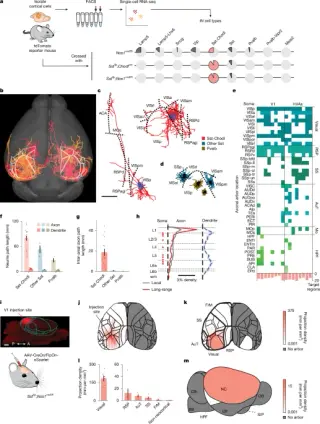
A study in Nature reveals that a tiny population of Sst-Chodl neurons in the cerebral cortex can actively trigger sleep, challenging the view that the cortex passively follows deep brain signals. These rare cells, comprising roughly 0.2% of cortical neurons, possess extensive long-range connections that synchronize brain activity across distant regions. When activated in mice, they induced slow-wave sleep and increased sleep duration, suggesting they may serve as sensors for sleep pressure. The findings highlight a new cortical mechanism for sleep regulation, potentially offering targets for treating sleep disorders, though the specific triggers for these neurons remain unknown.

Rare Brain Neurons Found to Drive Sleep via Long-Range Inhibition
science1 month ago

Rare Brain Neurons Found to Drive Sleep via Long-Range Inhibition

Researchers identified a rare class of inhibitory neurons in the mouse neocortex that actively promotes sleep and cortical synchrony. These cells, characterized by co-expression of somatostatin and chondrolectin, are sparse but possess long-range axons that connect multiple brain regions. Their activation during low-arousal states correlates with slow-wave sleep, suggesting they play a direct role in regulating sleep beyond subcortical mechanisms.

Lasker Award honors sleep researchers for breakthroughs in narcolepsy
science1 month ago

Lasker Award honors sleep researchers for breakthroughs in narcolepsy

Two leading sleep researchers have been awarded the prestigious Lasker Prize for their foundational work on narcolepsy. Dr. Emmanuel Mignot of Stanford University and Dr. Masashi Yanagisawa of the University of Texas Southwestern Medical Center were recognized for identifying the biological mechanisms behind the debilitating sleep disorder. Their research, which utilized animal models including dogs and mice, led to the discovery of orexin, a brain chemical critical for regulating wakefulness. This discovery has paved the way for new treatments that address the root cause of narcolepsy rather than just its symptoms.

Belgian Study Links Nocturnal Brain Surges to Higher Alzheimer's Risk in Older Adults
health1 month ago

Belgian Study Links Nocturnal Brain Surges to Higher Alzheimer's Risk in Older Adults

A new study from the University of Liège indicates that older adults experiencing frequent 'micro-awakenings' at night may have a higher genetic risk for Alzheimer's disease. Published in the journal Sleep, the research found this link in participants aged 50 to 69, while younger adults showed no such association. These brief brain activity surges disrupt sleep without necessarily waking the person. Although the findings suggest a potential early biomarker, the small sample size of older participants limits the study's conclusiveness. Experts emphasize that while sleep quality is crucial for brain health, these wake-ups do not guarantee disease development. Lifestyle factors like exercise and managing blood pressure remain key strategies for reducing dementia risk.

Neuroscience 2026: From Maternal Brain Shifts to the Politics of Big Science
science-and-society1 month ago

Neuroscience 2026: From Maternal Brain Shifts to the Politics of Big Science

The Transmitter has released its 2026 reading list, highlighting five major new books in neuroscience that explore maternal brain changes, sleep paralysis, and the failure of the European Human Brain Project. The list also features titles on whole-brain modeling and the history of computational intelligence, reflecting a shift toward network dynamics and sociological critiques of large-scale scientific initiatives.

Debunking five infant sleep myths that stress new parents
health7 months ago

Debunking five infant sleep myths that stress new parents

A BBC explainer debunks five common infant-sleep myths—such as babies ‘sleeping through the night’ by six months and the idea that naps in motion are automatically restorative—showing that waking at night is common in early childhood, sleep needs vary by child, and daytime sleep or health issues can influence night-time sleep; sleep typically consolidates as children grow, and evidence on ‘sleep breeds sleep’ is mixed.

Unraveling the Insomnia Puzzle: How Circadian Disruption Keeps the Brain Awake
health10 months ago

Unraveling the Insomnia Puzzle: How Circadian Disruption Keeps the Brain Awake

New research indicates that chronic insomnia may be caused by a disruption in the body's internal clock, leading to a flattened circadian rhythm of mental activity and delayed peak alertness, which keeps the brain in a heightened state of alertness at night. The study suggests that targeting the circadian system could offer new treatment avenues for insomnia.

Scientists Discover Genetic Secrets of Natural Short Sleepers
science1 year ago

Scientists Discover Genetic Secrets of Natural Short Sleepers

Some individuals, known as natural short sleepers, can function optimally on just 3-4 hours of sleep due to genetic mutations that alter their sleep architecture, challenging the universal sleep recommendations and offering potential insights for treating sleep disorders. However, this trait is rare and not something that can be acquired through lifestyle changes, with most people needing 7-8 hours for health and cognitive function.

"Uncovering the Source of Strong Deep Brain Waves During Sleep"
health-and-science2 years ago

"Uncovering the Source of Strong Deep Brain Waves During Sleep"

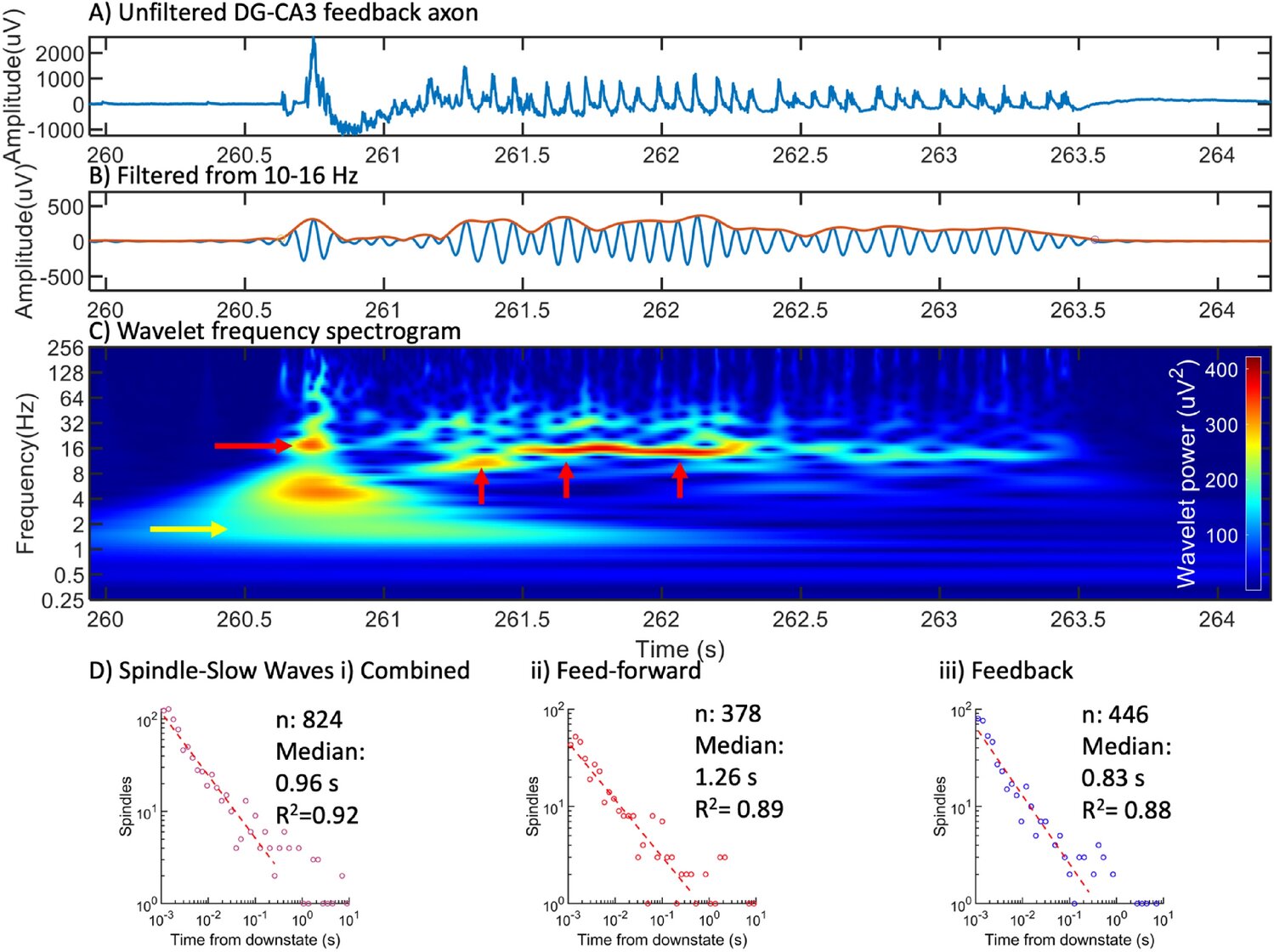
Researchers at the University of California, Irvine have discovered a new source of slow waves and sleep spindles crucial for deep sleep within the hippocampus, challenging traditional beliefs about their origin from the thalamus and cortex. The study suggests that these brain waves can originate from axons within the hippocampus's memory centers, offering new insights into how they support memory processing during sleep and potentially paving the way for new approaches to treating sleep-related disorders.