
Brain enzyme PLA2G2F identified as key driver of cognitive resilience in aging
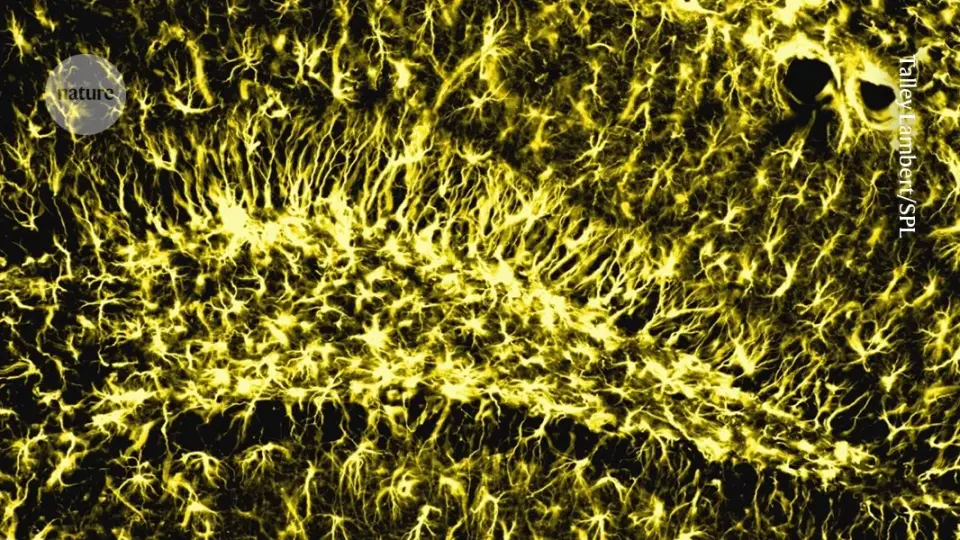
A new study in Nature Neuroscience identifies the secreted phospholipase PLA2G2F as a critical compensatory mechanism that protects memory during aging. The enzyme, produced by hippocampal neurons, reduces lipid accumulation and inflammation in glial cells, thereby preserving cognitive function even in the presence of Alzheimer's pathology.
Key points
- Researchers found that PLA2G2F expression rises in the aging mouse hippocampus, correlating with lower inflammation and better neuron connectivity.
- Mice lacking the gene showed increased inflammation, neuron degradation, and poorer spatial memory, while those with boosted levels maintained cognitive function.
- Human data from 13 brains showed that PLA2G2F activity is highest in individuals with 'cognitive resilience,' meaning intact cognition despite the presence of amyloid-beta deposits associated with Alzheimer's disease.
- The enzyme works by breaking down fatty compounds, reducing lipid droplet accumulation in microglia, and promoting the export of neutral lipids, which helps maintain neuronal health and synaptic integrity.
Background
This finding builds on earlier discussions about cognitive reserve and the brain's ability to adapt to aging. Previous research highlighted how lifestyle and active habits can help defy cognitive decline, while other studies identified rare cortical neurons that regulate sleep. The current discovery of PLA2G2F adds a specific molecular mechanism to the understanding of how the brain actively counteracts age-related deterioration.
How outlets are covering it
Nature emphasizes the enzyme's role as a 'compensatory cognitive-resilience mechanism' that can shift the trajectory of pathological aging. Bioengineer.org provides a more detailed biochemical perspective, highlighting how PLA2G2F acts as a 'molecular guardian' by signaling to neighboring cells to mobilize fat stores and calm inflammatory glia. Both sources agree on the enzyme's protective role but differ in depth, with Bioengineer.org detailing the specific lipidomic changes and the catalytic dependence of the enzyme's function.
Why it matters
Identifying PLA2G2F as a natural neuroprotectant offers a new target for therapeutic interventions in Alzheimer's disease and cognitive decline. If the brain's own defense mechanisms can be amplified in midlife, it may be possible to prevent or delay the onset of dementia, shifting the focus from fighting damage directly to strengthening the brain's internal counteroffensive.
What to watch
Researchers will need larger human cohorts to confirm the link between PLA2G2F expression and cognitive status. Additionally, further studies are required to resolve which specific cell types harbor lipid changes in vivo and to explore the therapeutic potential of boosting this enzyme in midlife to prophylactically alter cognitive decline trajectories.
- Memory stays strong in old age when this brain enzyme is active Nature
- An aging-sensitive secreted phospholipase confers neuroprotection and cognitive resilience Nature
- Brain-protective molecule may help preserve memory during aging Medical Xpress
- A Hidden Brain Enzyme Emerges as the Secret Weapon Against Memory Decline in Aging Bioengineer.org
- Stem Cell Enzyme PLA2G7 Emerges as a Driver of Age-Related Memory Decline Bioengineer.org
Want the full story? Read the original reporting
Read on Nature