
Derbyshire Bat Expert Discovers New Species After Severe Brain Injury
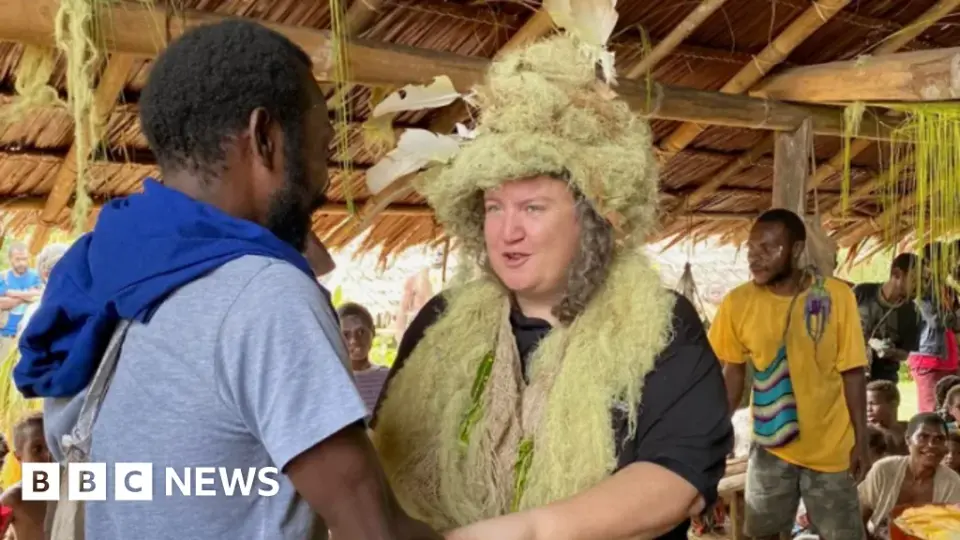
Dr. Nancy Irwin, a bat expert from Derbyshire, discovered a new fruit bat species in Papua New Guinea after recovering from a life-threatening accident in 2002 that required the removal of part of her brain. The species, named the hamamas tube-nosed fruit bat, was identified in a remote rainforest. Irwin, who lost proprioception and had to relearn basic skills, returned to academia in 2009 with support from the Daphne Jackson Trust. She was awarded an honorary doctorate by the University of York in July 2026 for her work on sustainability and rainforest conservation.
Key points
- In 2002, Dr. Nancy Irwin was struck by a boat in Gabon, causing severe head trauma and gangrene that necessitated the removal of part of her brain.
- Irwin spent eight years in rehabilitation, relearning how to walk, read, and manage daily life without proprioception.
- She returned to the University of York in 2009 with a fellowship from the Daphne Jackson Trust, which supports STEM professionals returning to research.
- Irwin discovered a new species of fruit bat in Papua New Guinea, initially nicknamed the 'Yoda' bat but officially named the hamamas tube-nosed fruit bat.
- She was awarded an honorary doctorate from the University of York on 20 July 2026 for her contributions to sustainability and rainforest protection.
Background
Recent scientific studies have highlighted how expertise can reshape brain structure, such as research showing that experienced birdwatchers have denser brain tissue in attention regions. Additionally, conservation efforts in North Carolina have focused on monitoring endangered bat populations, like the Indiana bat, to understand ecological roles and threats from diseases like white-nose syndrome. Irwin’s work aligns with broader conservation goals, emphasizing the link between habitat destruction and emerging diseases, as she has argued that destroying environments forces animals into contact with domestic species, potentially triggering outbreaks.
Why it matters
This story highlights the resilience of scientists facing severe disabilities and the importance of support systems like the Daphne Jackson Trust in enabling career returns. It also underscores the critical role of rainforest conservation in preventing disease outbreaks and maintaining biodiversity, as Irwin’s work links habitat destruction to the emergence of new diseases. Her discovery of a new species in Papua New Guinea contributes to global biological knowledge and emphasizes the value of local ecological knowledge in naming and preserving species.
What to watch
Irwin will continue her work in Papua New Guinea, focusing on rainforest conservation and the economic value of biodiversity beyond timber. She may also engage in further research on the hamamas tube-nosed fruit bat and other species in the region. The Daphne Jackson Trust is likely to continue supporting other STEM professionals returning to research after career breaks.
Want the full story? Read the original reporting
Read on bbc.com