
Brain Surgery Patient Reports Persistent Cat-Face Distortions in Humans
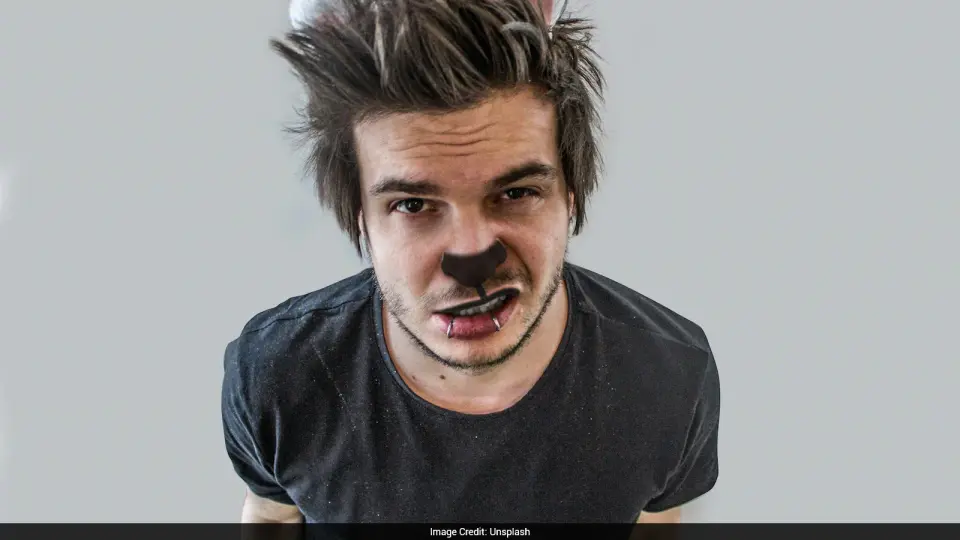
A 28-year-old man named Karl experiences a rare visual distortion called prosopometamorphopsia (PMO) following brain surgery. He sees his cat Luna’s features, such as enlarged pupils and fur patterns, on human faces, and vice versa. The condition began two years ago after surgery to remove an arteriovenous malformation in his right temporal lobe. Researchers from Dartmouth College and Brigham and Women’s Hospital published the case in the journal Cortex, noting that these distortions are coherent and can last all day. They utilized AI tools to visualize these experiences, arguing that such technology improves the accuracy of documenting perceptual disorders. The case mirrors a 1986 incident involving a poodle and suggests that facial processing relies heavily on memory integration rather than direct visual input alone.
Key points
- Karl, 28, developed prosopometamorphopsia after surgery to remove an arteriovenous malformation in his right posterior temporal lobe.
- He sees specific features of his cat Luna, such as almond-shaped eyes and stripes, on human faces, and human features on Luna.
- The distortions are not superimposed but seamlessly integrated, changing naturally with viewpoint and distance.
- Episodes can last several hours or an entire day, making them a regular part of his daily life.
- Researchers used AI tools to generate photorealistic visualizations based on Karl’s verbal descriptions and sketches to better document his experience.
- The case highlights how stored facial memories can influence ongoing perception, a phenomenon previously observed in a 1986 case involving a poodle.
Background
Prosopometamorphopsia (PMO) is a rare condition where faces appear distorted. While most cases last days or weeks, Karl’s condition has persisted for two years. The right temporal lobe is critical for face processing; damage to this area can lead to such distortions. Previous cases, such as a 1986 incident involving a poodle, have shown similar feature transfers, suggesting that the brain combines memory with visual input. Duchaine’s lab has heard from over 250 people with similar distortions, some of whom were misdiagnosed with psychiatric issues.
How outlets are covering it
NDTV and ScienceAlert emphasize the specific details of Karl’s experience, such as the cat’s eyes and fur appearing on humans. Popular Science highlights the nickname 'demon face syndrome' and the potential for misdiagnosis, noting that some patients were put on antipsychotics. Discover Magazine focuses on the broader implications for understanding facial processing and the use of AI in visualizing these distortions. All sources agree on the core facts but differ in emphasis: NDTV and ScienceAlert focus on the novelty of the cat-human feature transfer, Popular Science on the clinical implications and misdiagnosis, and Discover on the technological and scientific advancements in documenting such cases.
Why it matters
This case provides insight into how the brain processes faces and integrates memory with visual input. It highlights the potential for AI tools to improve the diagnosis and treatment of visual perception disorders. Understanding these mechanisms could lead to better interventions for patients with PMO and related conditions. Additionally, it underscores the importance of accurate documentation in neurology to prevent misdiagnosis and ensure appropriate care.
What to watch
Researchers plan to continue working with Karl to monitor changes in his condition over time. They will use AI tools to further probe the nature of his visual distortions. The team hopes that these visualizations will help patients communicate their experiences to healthcare professionals and family, leading to better understanding and support. Future studies may explore the neural basis of PMO and develop targeted therapies to manage or cure the condition.
- Man Develops Rare Condition After Brain Surgery, Sees Catlike Features On Human Faces NDTV
- Rare Medical Case Leaves US Man Seeing His Cat's Eyes in People's Faces After Brain Surgery ScienceAlert
- Man with ‘demon face syndrome’ sees cat’s eyes in human faces Popular Science
- How a 28-Year-Old Developed a Rare Condition That Makes People Look Like Cats VICE
- Rare Brain Condition Causes Man to See His Cat's Features in Other People's Faces Discover Magazine
Want the full story? Read the original reporting
Read on NDTV