
CDK4/6 Inhibitors Activate Rb to Boost Oestrogen Signaling, Limiting Cancer Control
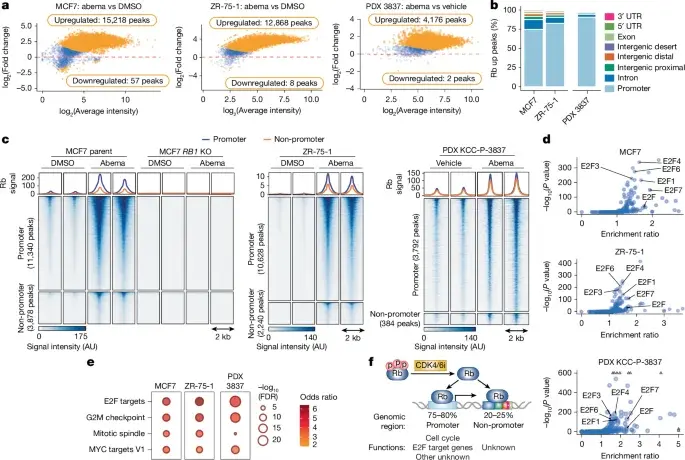
A new study reveals that CDK4/6 inhibitors, a standard treatment for hormone receptor-positive breast cancer, activate the retinoblastoma protein (Rb) in a way that unexpectedly boosts oestrogen receptor activity. While Rb halts cell division, it also integrates into transcriptional hubs that promote pro-proliferative genes, potentially undermining the drug's effectiveness in resistant tumours.
Key points
- CDK4/6 inhibitors cause hypophosphorylated Rb to redistribute across the genome, binding to promoters and enhancers.
- At specific sites, Rb integrates into oestrogen receptor-rich hubs, enhancing the expression of oestrogen-responsive genes.
- This transcriptional reprogramming is mediated by the histone demethylase KDM5A, which interacts with Rb.
- In endocrine-sensitive tumours, anti-oestrogen therapy can neutralize this pro-proliferative effect, explaining therapeutic synergy.
- In endocrine-resistant settings, such as those with ESR1 mutations, the Rb-driven program persists, limiting the efficacy of CDK4/6 inhibition.
Background
CDK4/6 inhibitors are a cornerstone of first-line therapy for early and advanced hormone receptor-positive breast cancer. Previous research, including studies on high p16 expression and heterozygous RB1 loss, has identified biomarkers for resistance to these drugs. This new finding adds a mechanistic layer to understanding resistance, showing that the drug's primary target, Rb, can inadvertently activate pathways that counteract its tumour-suppressive role.
Why it matters
This research reframes Rb as a dual-function regulator, not just a cell cycle brake. Understanding how CDK4/6 inhibitors can inadvertently boost oestrogen signaling helps explain why some patients develop resistance. It suggests that combining CDK4/6 inhibitors with anti-oestrogen therapies is crucial for sensitive tumours, while highlighting the need for alternative strategies in cases with ESR1 mutations where this pro-proliferative program persists.
What to watch
Researchers will likely investigate how to block the Rb-KDM5A interaction or target the specific transcriptional hubs involved. Clinical trials may explore new combination therapies to overcome resistance in ESR1-mutant breast cancer. The data generated in this study, including sequencing and proteomics datasets, are available for further analysis to validate these findings in broader patient populations.
Want the full story? Read the original reporting
Read on Nature