
Cloaked mitochondria extend survival in mouse model of mitochondrial disease
TL;DR
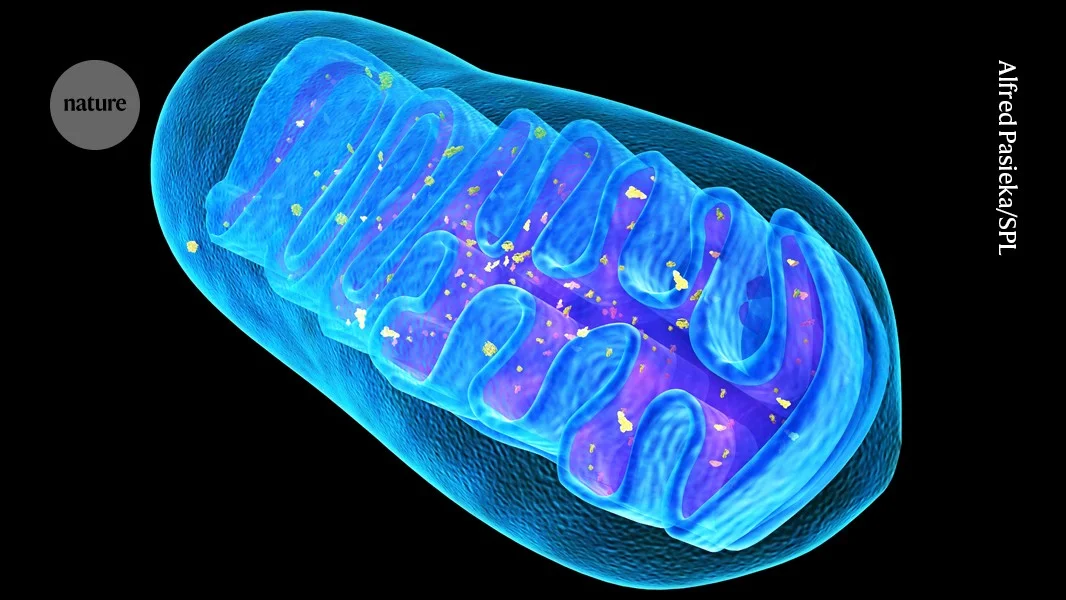
Researchers wrapped mitochondria in red blood cell membranes to shield them from destruction and facilitate cellular entry. In a Leigh syndrome mouse model, this capsule-like delivery increased survival by about two weeks (roughly 20%), with ~80% of cells taking up the mitochondria—significantly higher than naked mitochondria. The approach preserves the mitochondria’s membrane potential, marking a major efficiency advance, though some scientists caution that claims such as preventing Parkinson’s disease in mice may be overstated.
Topics:healthscience#cell-therapy#leigh-syndrome#mitochondrial-transplantation#mouse-model#red-blood-cell-membrane#science
- Masked mitochondria slip into cells to treat disease in mice Nature
- Chinese Researchers Create New Transplantation Therapy for Major Diseases Chinese Academy of Sciences (CAS)
- New research targets Parkinson's, genetic disorders China Daily
Want the full story? Read the original reporting
Read on Nature