

Tag

Leigh Syndrome

All articles tagged with #leigh syndrome

First Child Born via Mitochondrial Replacement: A Breakthrough to Spare Leigh Syndrome
science3 days ago

First Child Born via Mitochondrial Replacement: A Breakthrough to Spare Leigh Syndrome

In 2016, a Jordanian couple seeking to spare their child from Leigh syndrome traveled to Mexico for spindle nuclear transfer, resulting in the first live birth using mitochondrial replacement. The baby, a boy, carries nuclear DNA from the parents and donor mitochondrial DNA, a small contribution intended to prevent the disease. The case demonstrated the procedure’s feasibility but sparked ongoing ethical and regulatory debate, including U.S. bans and a fragmented international landscape governing this form of genetic intervention.

Five hopeful science breakthroughs reshaping health and energy
science26 days ago

Five hopeful science breakthroughs reshaping health and energy

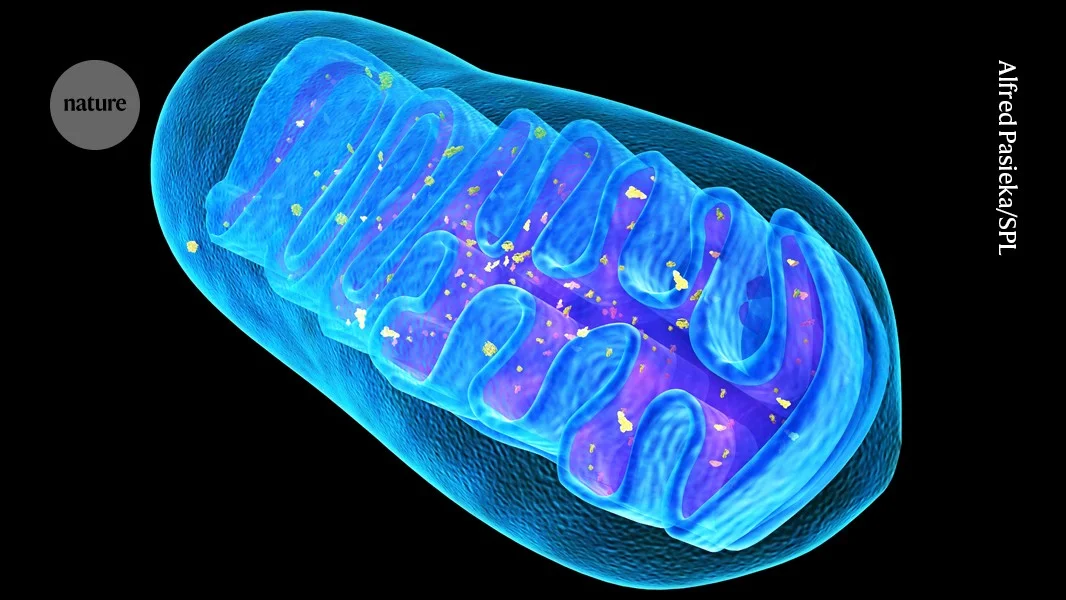
Nature highlights five uplifting science stories from 2025–26: infants can now be treated for malaria with the weight-tailored drug artemether-lumefantrine, reducing infant deaths; six Leigh syndrome patients show mobility and breathing improvements after sildenafil (Viagra) treatment, though more trials are needed; engineered bacteria produce hydrogen from waste bread with a catalyst, cutting greenhouse-gas emissions; researchers extract hydrocarbon-rich biofuel from date-palm leaf fibers, offering a new energy source and waste-management benefit; and a US study finds HPV vaccination in boys and men linked to a 46% reduction in several cancers, underscoring the vaccine’s power for cancer prevention.

Cloaked mitochondria extend survival in mouse model of mitochondrial disease
science2 months ago

Cloaked mitochondria extend survival in mouse model of mitochondrial disease

Researchers wrapped mitochondria in red blood cell membranes to shield them from destruction and facilitate cellular entry. In a Leigh syndrome mouse model, this capsule-like delivery increased survival by about two weeks (roughly 20%), with ~80% of cells taking up the mitochondria—significantly higher than naked mitochondria. The approach preserves the mitochondria’s membrane potential, marking a major efficiency advance, though some scientists caution that claims such as preventing Parkinson’s disease in mice may be overstated.