
CRISPR's Surprising Role in Bacteria's Defense Against Viruses
TL;DR Summary
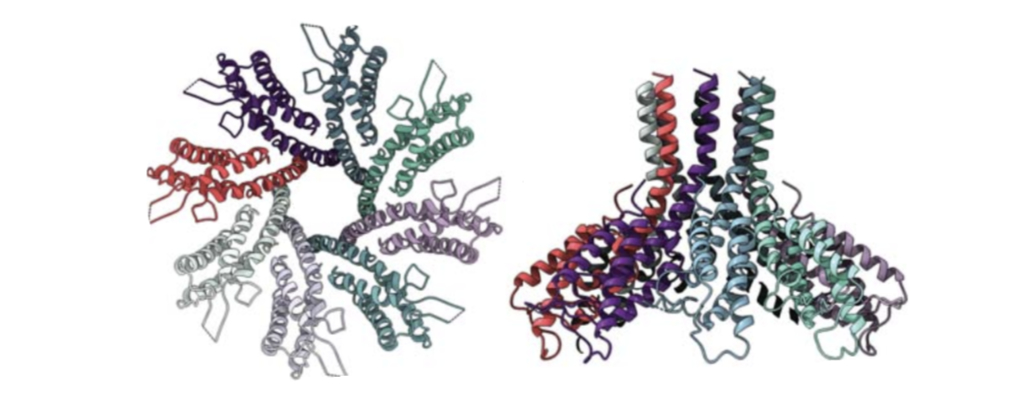
Scientists have discovered that the CRISPR/Cas system, which is known for editing DNA, also coordinates with other proteins to protect bacteria from invading viruses. The Csx28 protein, when activated with CRISPR, scrambles the permeability of the bacteria's membrane, making it difficult for viral DNA to hijack the cell's machinery and replicate. The protein forms a membrane pore and disrupts the metabolism of the cell to make it an inhospitable environment for the virus. This finding is unexpected and raises new questions about the CRISPR system's role in immunity.
Reading Insights
Total Reads
0
Unique Readers
9
Time Saved
3 min
vs 4 min read
Condensed
86%
629 → 88 words
Want the full story? Read the original article
Read on ScienceAlert