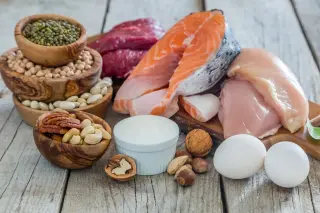
The 2026 U.S. Dietary Guidelines increased recommended protein intake by over 50%, sparking a massive surge in protein-fortified products. While experts advise prioritizing whole foods over processed snacks, the industry has flooded shelves with items ranging from protein Doritos to protein Pop-Tarts, driving $90 billion in annual consumer spending.
A fitness expert outlines six post-workout recovery steps for people over 35: prioritize seven-to-nine hours of quality sleep with a consistent routine; get regular blood work to monitor hormones and health factors; apply warmth after exercising to boost circulation; stretch to restore muscle length and mobility; refuel with high-quality protein after training and stay well hydrated (protein targets roughly 20–40 g post-workout, with daily needs personalized); and give your nervous system time to de-stress, as overtraining can keep cortisol high and hinder recovery, with a note on distinguishing normal soreness from excessive pain.
A fitness expert outlines six post-workout recovery steps for adults over 35 to preserve strength: prioritize 7–9 hours of quality sleep; get regular bloodwork and monitor hormones; use warmth/heat therapy to boost circulation; stretch to maintain mobility; consume 20–40 grams of high‑quality protein after training and stay hydrated; and give your body time to de-stress so the nervous system and muscles can fully recover and avoid overtraining.
Future Coach column by Michael Coren guides readers on getting enough protein without overspending, highlighting that protein is abundant in both animal and plant foods and recommending affordable options such as seafood, eggs, peanut butter, chicken, soy, and lentils to fit a budget-friendly diet.
A cardiologist at South Heart Clinic describes eggs as an “amazing protein” and shares his personal breakfast approach: four to five eggs with onions, jalapeños, tomatoes, and avocado, paired with vegetables and avoiding carb-heavy sides like bread or potatoes so he stays full on protein. He notes that dietary cholesterol from eggs is less of a heart-risk concern than previously thought, citing evolving guidance and the American Heart Association’s stance that eggs can fit into a heart-healthy pattern when eaten in moderation and alongside produce, whole grains and lean proteins. Eggs are nutrient-dense, providing high-quality protein and micronutrients (A, D, B12, iodine, selenium, choline, lutein/zeaxanthin) and even omega-3s in yolks; the overall message is to enjoy eggs as part of a balanced diet while prioritizing vegetables and whole foods.
The piece challenges the long‑standing belief that only about 30 grams of protein per meal can be utilized, arguing there is no fixed upper limit for absorption or muscle synthesis. Protein needs vary with factors like exercise and individual metabolism, so spreading protein intake across meals rather than chasing a strict cap may be more beneficial for most people.
A registered dietitian highlights Costco picks that support GLP-1 weight-loss regimens by prioritizing protein, fiber, and micronutrients—featuring pears with nut butter, premade chimichurri beef, bone broth, kimchi, salmon, RxBars, pistachios, Olipop minis, SunGold kiwis, and cauliflower-crust pizza for satisfying, balanced meals and snacks.
Popular recovery techniques—ice baths, compression, massage, and supplements—are reviewed with mixed evidence. Ice baths may ease soreness but can blunt long-term adaptations if overused; compression helps circulation but doesn’t reliably improve function; massage consistently reduces perceived soreness with modest performance effects. Supplements like whey protein, BCAAs, tart cherry juice, and omega-3s show small or inconsistent benefits and are best obtained from a balanced diet. The strongest recovery drivers are sleep (7–9 hours), post-workout protein (20–40 g) with carbohydrates, and a well-structured training plan that includes rest. In short, recovery isn’t something you bottle; you win with fundamentals.
Weight loss isn’t about starving yourself. Dietitians recommend adding nutrient-dense foods to your plate to increase fullness and sustainability: prioritize protein from plant sources (beans, tofu, tempeh) with about 1.0–1.4 g of protein per kg of body weight daily during weight loss; boost fiber with beans, lentils, whole grains and fruits; fill meals with high-volume, low-calorie vegetables to add bulk and nutrients; include healthy unsaturated fats from nuts, seeds and avocado in moderation. Combined with strength training, this approach helps preserve lean mass, stabilize blood sugar, and reduce deprivation, making weight loss more achievable long-term.
Despite its high protein and popularity in fitness circles, cottage cheese has not been shown in direct studies to improve muscle mass or body weight; a review found no studies examining its effects on muscle growth, strength or fat loss, and high-quality randomized trials are scarce. Some research shows cottage cheese triggers a higher insulin response than other proteins, but energy expenditure and appetite appear unchanged when calories and protein are matched. Plausible mechanisms exist, but claims should be backed by direct evidence. Cottage cheese remains a nutritious protein option, and researchers are continuing to explore its effects on gut health, aging, and muscle health.
Protein is essential for health and can aid fullness and recovery, but simply eating more protein or choosing protein-fortified foods won’t automatically build bigger muscles; meaningful gains require resistance training with progressively heavier lifts and adequate amino acids, with intake tailored to individual goals, age, and activity. Many adults already meet protein needs, and protein powders or fortified foods can mislead when they come with added sugars or fats. Plant vs. animal proteins differ in amino-acid profiles (soy being a notable complete source), so a varied diet is recommended. Federal guidance has risen to 1.2–1.6 g/kg, but optimal intake depends on personal factors and training commitments.
Both cottage cheese and Greek yogurt are protein-rich staples, but dietitians note key distinctions: Greek yogurt typically has more protein and a thicker texture, while cottage cheese can be lower in sugar and calories depending on fat content; choosing plain varieties and aligning with goals like satiety and bone/metabolism support is advised.
Nutrition experts say evidence that dietary protein restriction boosts lifespan in humans is unconvincing and largely based on animal studies. Older adults often need more protein than the minimum, and cutting protein could worsen frailty, muscle loss, and independence—especially for sedentary individuals or those on GLP-1 weight‑loss medications. Current guidelines suggest 0.8–1.6 g/kg/day (with higher needs for active elders), and experts advocate individualized protein targets and prioritizing functional health and physical activity over simply extending lifespan.
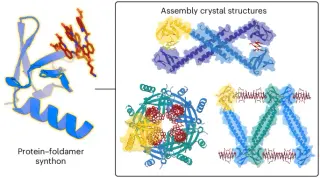
A Nature Chemistry study reports a ribosome-display–selected Nanofitin that binds a biotinylated helical aromatic foldamer with about 92 nM affinity, forming a well-defined 1:1 complex whose interface (>700 Å^2) enables modular assembly of discrete and extended protein–foldamer architectures. The work demonstrates foldamer–protein dimers, two-fold protein–foldamer constructs, cyclic assemblies, and higher-order lattices, validated by X-ray, NMR, MS, and CD. This establishes aromatic foldamers as large, programmable interfaces to organize proteins with precise spatial control, opening paths to foldamer–protein nanocages and porous lattices.
To counter age-related muscle loss (sarcopenia), experts advise women over 50 to prioritize resistance training at least three days a week, focusing on legs, back, and core with 2–3 exercises per muscle group, 6–12 reps, 3–5 sets per exercise, and 60–90 seconds rest. Start with proper form, using bodyweight moves before adding weights, and include a 15–20 minute warmup and a cooldown. Mobility work and regular stretching support safe, effective workouts, while protein intake of 25–30 grams per meal aids recovery. Adopt a mindset that views exercise as an investment in health and independence. A sample weekly plan emphasizes full-body sessions with rest or active recovery days.