
CMLase Enzyme Reverses Glycation Damage in Human Tissue
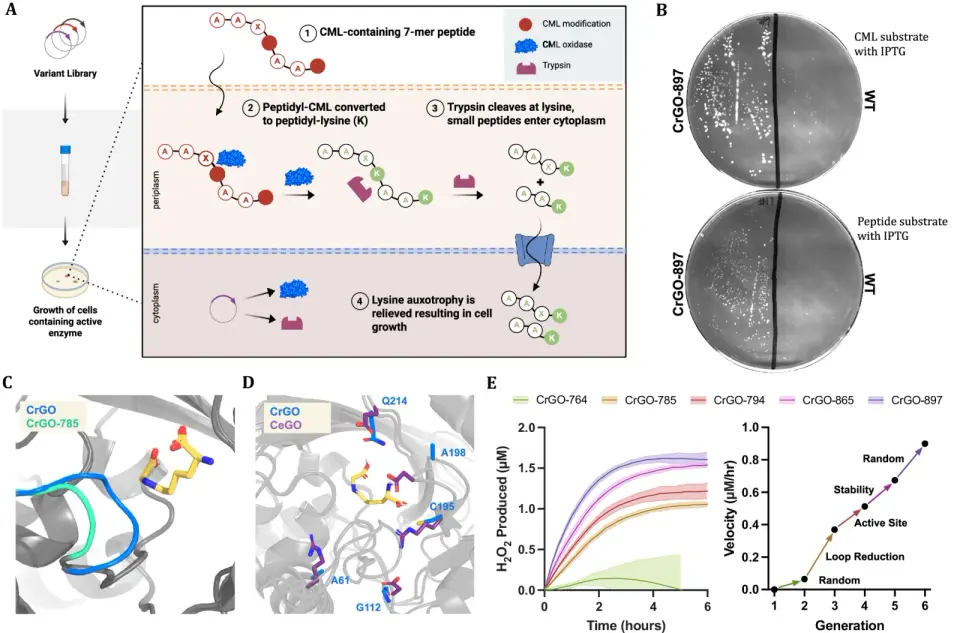
Researchers at Revel Pharmaceuticals developed CMLase, an enzyme that breaks down advanced glycation end-products (AGEs) in human tissue. Tested on skin and arterial samples from elderly donors, it reduced CML levels by 55-75%, effectively reversing molecular markers of aging. While promising for treating chronic inflammation and age-related diseases, the findings are currently limited to ex vivo laboratory settings and require further human trials to confirm safety and efficacy.
Key points
- CMLase targets N(6)-Carboxymethyllysine (CML), a stable AGE that accumulates in tissues and contributes to aging and inflammation.
- The enzyme was developed using directed evolution, screening over 500 million variants in modified E. coli to optimize its ability to break CML bonds.
- In vitro tests on human skin and arterial tissue from elderly donors showed a 55% reduction in CML for skin and 75% for arterial tissue, restoring levels to those seen in younger donors.
- The study, published in Nature Communications, is the first to demonstrate structural reversal of glycation damage in human tissue, challenging previous assumptions that such damage is permanent.
- Future trials will focus on safety and efficacy in living patients, with potential applications in treating inflammatory eye diseases and other AGE-related conditions.
Background
This development follows recent advances in understanding aging mechanisms, including studies on DNA repair enzymes like SMUG1 and the role of visceral fat in brain aging. While previous research identified AGEs as markers of aging, this is the first time a specific enzyme has been shown to reverse their effects in human tissue. The findings align with broader efforts to develop interventions that target the root causes of age-related decline, complementing existing approaches like GLP-1 drugs and lifestyle modifications.
How outlets are covering it
Hackaday emphasizes the technical achievement of designing CMLase through genetic selection in E. coli and highlights the ex vivo nature of the tests, noting the need for human trials. The Miami Herald focuses on the potential for skincare applications, cautioning that the enzyme is not yet available topically and that cosmetic uses will likely follow medical ones. The Independent highlights the use of AI to screen microbes for enzyme candidates and quotes Revel Pharmaceuticals' CEO on the significance of reversing structural aging changes. All sources agree on the preliminary nature of the findings but differ in emphasis: Hackaday on methodology, Miami Herald on commercial potential, and The Independent on the broader implications for aging research.
Why it matters
If successful in human trials, CMLase could open a new pathway for treating age-related diseases by directly reversing molecular damage previously thought irreversible. This could reduce the burden of chronic conditions like diabetes and atherosclerosis, potentially lowering healthcare costs and improving quality of life for older populations. The ability to target specific AGEs may also lead to the development of similar enzymes for other pathogenic compounds, advancing the field of anti-aging medicine.
What to watch
The next step is an initial human trial to assess the safety of CMLase in living patients. Following this, subsequent trials will evaluate whether the removal of CML leads to healthier tissues and improved clinical outcomes. If successful, researchers may develop similar enzymes for other AGEs, expanding the scope of treatments for age-related diseases. The timeline for these trials is not specified, but the findings are expected to accelerate research into reversing aging at the molecular level.
- De-Aging Human Tissue Using Special Enzyme To Remove AGEs Hackaday
- Can This New Enzyme Turn Back the Clock in the Human Body? The New York Times
- New enzyme may reverse one cause of aging. Can we say goodbye to wrinkles forever? Miami Herald
- An enzyme might help fight against your body’s aging The Independent
- The Brutal Truth About Anti-Aging Enzymes and Biological Reversal Lavender Hotel
Want the full story? Read the original reporting
Read on Hackaday