
Global team releases 25.5-million-cell atlas of basal ganglia to map disease links
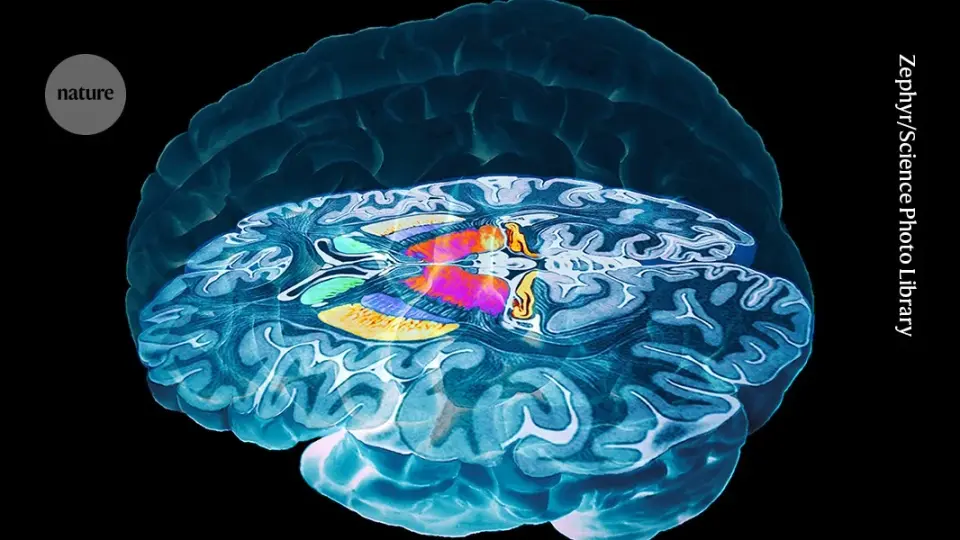
Researchers have published the most detailed atlas of the basal ganglia, profiling 25.5 million cells from humans, macaques, and marmosets. This cross-species reference, developed under the US$500 million BRAIN Initiative Cell Atlas Network, identifies 61 conserved cell types and a rare neuron potentially linked to schizophrenia. The atlas also provides molecular boundaries for the striatum and offers preliminary evidence that targeted gene therapies for Parkinson’s disease can be safer and more effective than broad approaches.
Key points
- The atlas includes 21 million human cells, 3 million macaque cells, and 1.5 million marmoset cells, published across 26 journals.
- Researchers identified a rare neuron subtype in the striatum with genetic risk enrichment for schizophrenia, involving dopamine and serotonin receptors.
- Analysis of 1.1 million striatum cells revealed six distinct molecular zones that lack clear anatomical boundaries but show consistent transcriptional differences.
- Preliminary mouse models suggest that gene therapies targeting specific basal ganglia cell subsets for Parkinson’s disease are as effective as blanket treatments but safer.
- The project, part of the BRAIN Initiative Cell Atlas Network, aims to create a common framework for characterizing brain cells across mammalian species.
Background
This release follows a broader trend in large-scale biological atlases, such as the recent Finnish immune atlas and studies linking gut microbial variants to health traits. It builds on earlier efforts to map brain regions, providing a foundational reference for understanding how cellular changes contribute to neurodegenerative and psychiatric conditions.
How outlets are covering it
Nature emphasizes the atlas’s role as a comprehensive 'dictionary' for the field, highlighting its cross-species conservation and detailed molecular mapping. National Geographic focuses on the discovery of a specific neuron subtype linked to schizophrenia, noting that while the link is promising, follow-up studies are needed to confirm disease mechanisms. STAT highlights the practical application of the atlas in developing safer, targeted gene therapies for Parkinson’s disease, framing the basal ganglia as a 'Grand Central Station' for brain function. While all sources agree on the atlas’s scale and importance, they differ in emphasis: Nature on structural detail, National Geographic on psychiatric implications, and STAT on therapeutic potential.
Why it matters
This atlas provides a critical reference for understanding the cellular basis of diseases like Parkinson’s, Huntington’s, and schizophrenia. By identifying specific cell types and their molecular signatures, it enables more precise research into disease mechanisms and the development of targeted therapies. The cross-species data also helps bridge gaps between animal models and human biology, potentially accelerating the translation of basic research into clinical treatments.
What to watch
Researchers will use the atlas to investigate how identified cell types, such as the schizophrenia-linked neuron, function in disease states. Further studies will explore whether manipulating these cells can influence disease processes. The atlas will also serve as a scaffold for mapping other brain regions, aiming to create a comprehensive map of the mammalian brain. Additionally, scientists will continue to test targeted therapies in animal models to refine their safety and efficacy.
- Massive atlas of brain region linked to a host of diseases is the most detailed yet Nature
- Scientists Discover a Neuron That May Play a Role in Schizophrenia National Geographic
- Scientists debut map of basal ganglia, a key brain region involved in an array of diseases STAT
- Molecular mapping of 8 million cells brings cerebral architecture into focus Medical Xpress
- Cellular atlas created for the basal ganglia, a key brain region Reuters
Want the full story? Read the original reporting
Read on Nature