
HIV Vaccine Progress Accelerates as Researchers Mimic 'Super Antibody' Responses
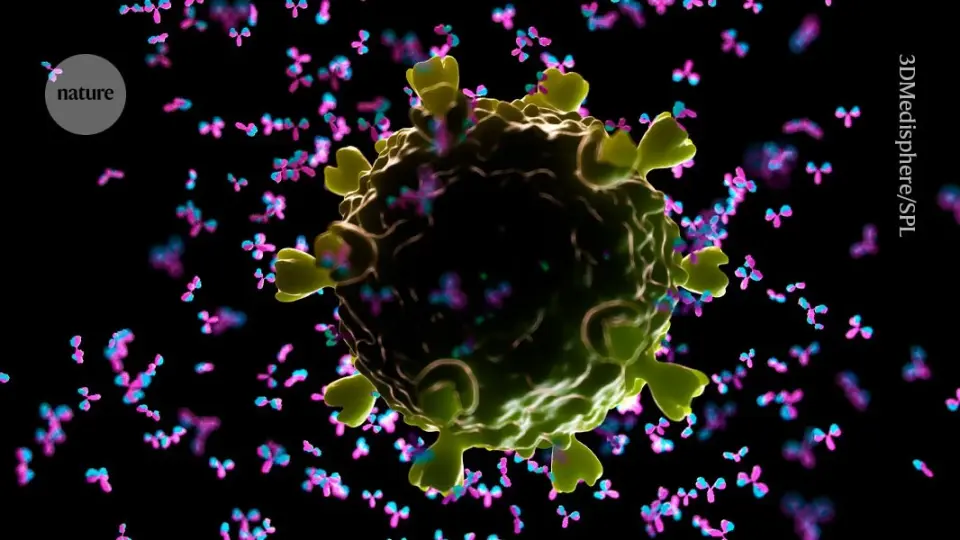
Scientists are making significant strides toward an HIV vaccine by mimicking the immune responses of individuals who naturally produce broadly neutralizing antibodies (bnAbs). Recent monkey trials have successfully triggered the production of these antibodies, which can block diverse HIV strains. While human trials have shown promise in generating precursor antibodies, challenges remain, including the rapid mutation of HIV, the availability of effective preventive drugs like lenacapavir, and severe cuts to US research funding. Experts describe the current moment as a 'golden chance' to achieve a vaccine, though success is not guaranteed.
Key points
- Researchers are using a strategy called 'germline targeting' to train immune systems to produce broadly neutralizing antibodies (bnAbs), which can neutralize a wide range of HIV strains. This approach mimics the natural immune response of individuals like CAP256, a woman in South Africa whose antibodies are among the most potent ever discovered.
- In 2026, several teams reported that vaccination strategies in monkeys successfully triggered the production of bnAbs, a milestone not previously achieved. Human trials have also shown that participants can produce 'bnAb precursors,' with booster shots improving the antibodies' binding and neutralization abilities.
- Major hurdles remain for vaccine development. HIV mutates rapidly, with millions of strains circulating simultaneously, making it difficult to create a vaccine that works against all variants. Additionally, the availability of highly effective preventive drugs like lenacapavir complicates efficacy trials, as it is difficult to demonstrate additional protection from a vaccine when background infection rates are already low.
- US funding for HIV research has faced 'devastating cuts,' threatening preclinical and clinical efforts. Dennis Burton of Scripps Research noted that while the scientific promise is greater than ever, funding streams have been cut off at a critical time. Mark Feinberg of the International AIDS Vaccine Initiative described the current situation as a 'golden chance' that must not be squandered.
- The development of an HIV vaccine has been a long-standing goal in biomedical research, with previous attempts failing due to the virus's rapid mutation and the lack of a clear immunological signature for an effective vaccine. The discovery of bnAbs in the 1990s and 2000s shifted the focus to understanding how these antibodies develop, leading to the current strategies of priming and boosting the immune system.
Background
The search for an HIV vaccine has been a major challenge in biomedical research for decades. Previous attempts, including vaccines based on the HIV envelope protein, failed to prevent infection in clinical trials due to the virus's rapid mutation and the diversity of circulating strains. The discovery of broadly neutralizing antibodies (bnAbs) in the 1990s and 2000s provided a new direction, as these antibodies can neutralize a wide range of HIV strains. The current strategies aim to mimic the natural immune response of individuals who produce bnAbs, such as CAP256, a woman in South Africa whose antibodies are among the most potent ever discovered. The availability of highly effective preventive drugs like lenacapavir, approved by the FDA in 2022 and 2025, has also complicated vaccine development, as it is difficult to demonstrate additional protection from a vaccine when background infection rates are already low. The recent cuts to US funding for HIV research have further threatened the progress of vaccine development.
Why it matters
The development of an HIV vaccine is a critical goal in the fight against the HIV epidemic, which continues to affect millions of people worldwide. The recent progress in triggering the production of broadly neutralizing antibodies (bnAbs) in monkeys and humans suggests that a vaccine may be within reach. However, the challenges of HIV's rapid mutation, the availability of effective preventive drugs, and the cuts to US research funding highlight the need for sustained support and innovation in the field. The success of an HIV vaccine could significantly reduce the number of new infections and improve global health outcomes.
What to watch
Researchers will continue to refine their vaccination strategies to trigger the production of broadly neutralizing antibodies (bnAbs) in humans. The next steps include further clinical trials to test the efficacy of these vaccines in preventing HIV infection. The availability of highly effective preventive drugs like lenacapavir will need to be addressed in the design of these trials, as it is difficult to demonstrate additional protection from a vaccine when background infection rates are already low. Additionally, the cuts to US funding for HIV research will need to be addressed to ensure that the progress made in the field is not derailed. The International AIDS Vaccine Initiative (IAVI) and other organizations will continue to advocate for increased funding and support for HIV vaccine research.
Want the full story? Read the original reporting
Read on Nature