
Hyperglycosylation fuels Alzheimer's progression, revealing a new therapeutic target
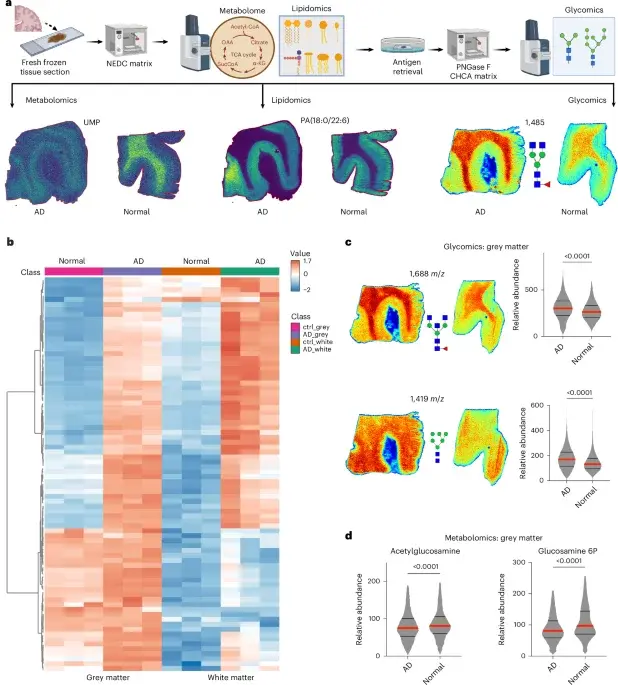
Nature Metabolism identifies hyperglycosylation as a driving metabolic factor in Alzheimer's disease, caused by increased glycan biosynthesis rather than reduced degradation. Across human AD brains and mouse models, elevated N-glycan production correlates with disease regions and severity; reducing glycosylation via PGM3 knockdown or OST inhibition improves cognitive outcomes in mice, while glucosamine supplementation raises brain glycans and worsens social memory. Real-world data also associate glucosamine use with accelerated progression and higher mortality in dementia cohorts. The findings propose glycan metabolism as an actionable therapeutic target and prompt clinical trials to assess glucosamine safety in dementia populations.
- Hyperglycosylation is a metabolic driver of Alzheimer’s disease Nature
- Human microglial transitions at the Aβ–tau inflection point associate with divergent pathways to dementia and resilience Nature
- Scientists Discover Key Alzheimer’s “Tipping Point” That May Decide Who Gets Dementia SciTechDaily
- Hyperglycosylation: Metabolic Trigger Behind Alzheimer’s Disease Bioengineer.org
- Scientists identify key biological tipping point in Alzheimer’s disease Open Access Government
Want the full story? Read the original reporting
Read on Nature