
Kimchi Bacterium Shows Promise in Binding Microplastics in Gut Studies
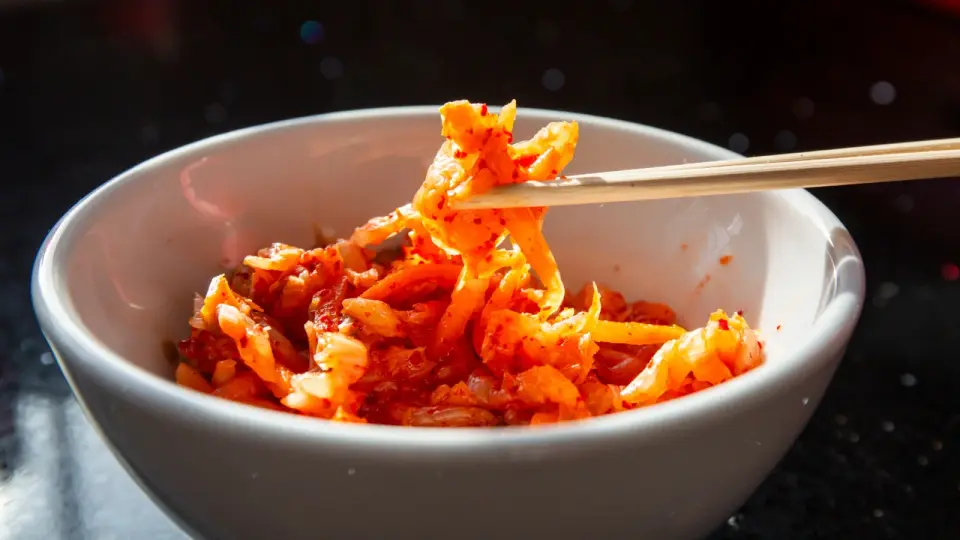
Researchers at South Korea’s World Institute of Kimchi identified a specific lactic acid bacterium, Leuconostoc mesenteroides CBA3656, found in kimchi that can bind to nanoplastics. In lab tests, this microbe trapped 87 percent of nanoplastics in water and 57 percent in fluid mimicking the human intestine. Animal trials showed that germ-free mice fed this bacterium excreted more nanoplastics in their feces. While these findings suggest a potential biological method to reduce plastic absorption, the results remain theoretical and require further validation in diverse human microbiomes.
Key points
- Leuconostoc mesenteroides CBA3656, a lactic acid bacterium from kimchi, binds to nanoplastics, potentially preventing their absorption into the body.
- In simulated intestinal fluid, the bacterium bound 57 percent of nanoplastics, while in water it trapped 87 percent.
- Germ-free mice fed the microbe excreted higher levels of nanoplastics, suggesting the bacteria may facilitate plastic removal via feces.
- The study, led by Se Hee Lee and Tae Woong Whon, was published in Bioresource Technology and highlights microbial biosorption as a potential health strategy.
- Previous 2025 studies on other probiotics showed similar effects in mice, but researchers caution that results from germ-free animals may not translate to complex human gut environments.
Background
Microplastics and nanoplastics are increasingly recognized as public health concerns, though their long-term impact on human disease remains unclear. Most plastics pass through the body naturally, but some studies suggest fermented food microbes might mitigate exposure. A 2025 study found that certain probiotics increased microplastic excretion by 35 percent in mice, while a recent yogurt-based study showed a 12-fold increase in excretion and reduced intestinal damage. These prior findings provide background for the current kimchi research, which builds on the idea that traditional fermented foods may offer biological solutions to plastic contamination.
Why it matters
This research offers a potential new avenue for addressing microplastic exposure through dietary interventions. If validated in human trials, kimchi-derived bacteria could serve as a probiotic to enhance plastic excretion, reducing the risk of plastic accumulation in the gut. However, the current evidence is limited to lab and germ-free animal models, and the practical application in diverse human microbiomes remains uncertain.
What to watch
Researchers emphasize the need for field-scale and microbiota-integrated studies to confirm the applicability of these findings in natural ecosystems and the human gut. Future trials will need to assess how the kimchi bacterium interacts with other intestinal microbes and whether it consistently promotes plastic excretion in real-world conditions.
Want the full story? Read the original reporting
Read on ScienceAlert