
Leucine Protects Mitochondrial Proteins to Boost Cellular Energy
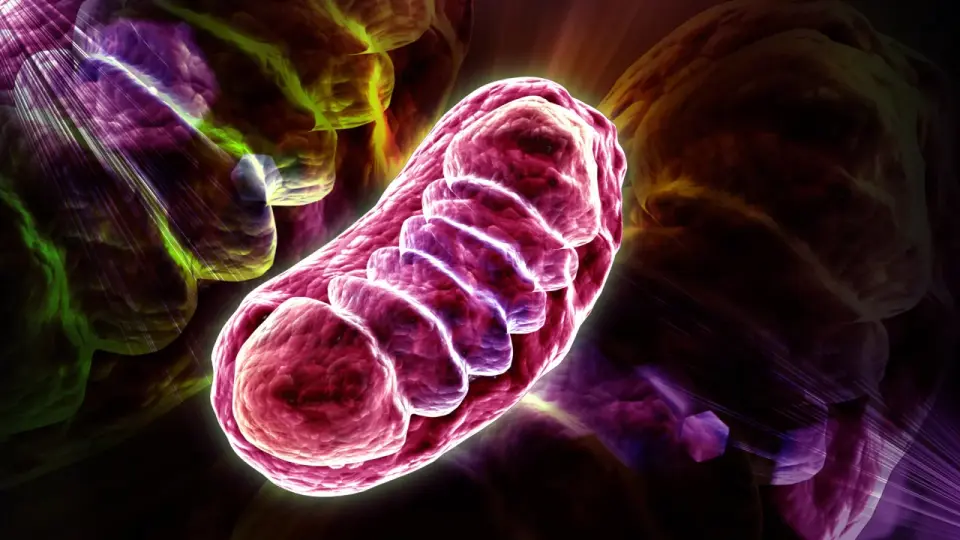
Researchers at the University of Cologne have discovered that the amino acid leucine does more than build muscle; it actively regulates cellular energy production. By inhibiting the degradation of specific proteins on the outer membrane of mitochondria, leucine allows these organelles to function more efficiently. This mechanism, mediated by the quality control protein SEL1L, enables cells to adapt energy output to nutrient availability, with potential implications for cancer and metabolic disorders.
Key points
- Leucine stabilizes proteins on the outer mitochondrial membrane, preventing their breakdown by the cellular quality control protein SEL1L.
- Preserving these proteins enhances mitochondrial efficiency, allowing cells to produce more energy during periods of nutrient abundance.
- The study, published in Nature Cell Biology, identifies a direct link between nutrient status and mitochondrial respiration.
- In C. elegans models, disrupted leucine metabolism was linked to fertility issues, while in human lung cancer cells, mutations in leucine metabolism aided tumor survival.
- While modulating leucine and SEL1L could boost energy, researchers warn that SEL1L is also crucial for removing damaged proteins, making long-term health effects complex.
Background
This finding extends previous research on how nutrients act as signals rather than just fuel. For instance, earlier studies in September 2026 highlighted how pterostilbene from blueberries stabilizes PPARδ to boost fat breakdown in muscle cells, demonstrating a similar principle where dietary compounds influence protein stability and metabolic function. The current discovery adds to the understanding that amino acids like leucine play a dual role in structural support and metabolic regulation.
Why it matters
Understanding how leucine controls mitochondrial energy production offers new targets for treating diseases involving disrupted cellular energy, such as cancer and metabolic disorders. However, the dual role of the involved protein SEL1L in both preserving useful proteins and removing damaged ones means that therapeutic interventions must be carefully balanced to avoid unintended consequences.
What to watch
Researchers will likely investigate the specific mutations in leucine metabolism that help cancer cells survive and explore how modulating leucine and SEL1L levels can be safely used to boost energy production without compromising cellular health.
Want the full story? Read the original reporting
Read on ScienceDaily