
Stanford researchers create mice with human cortical tissue to model brain disorders
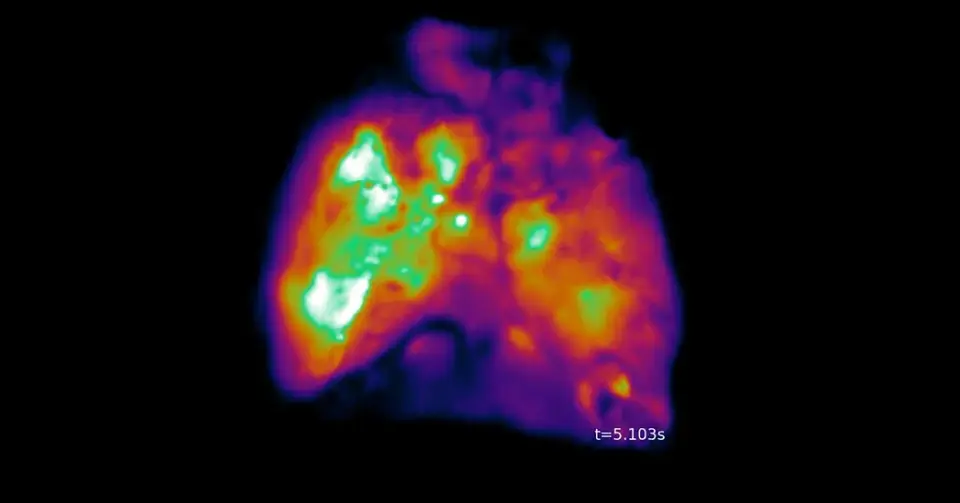
Stanford University scientists have developed a new mouse model featuring human brain tissue to study neurodevelopmental disorders. By genetically removing the mouse cerebral cortex and transplanting human cortical organoids, researchers created 'xenocortical' mice where human neurons integrate with the host nervous system. These animals exhibit normal locomotion but show specific behavioral deficits, offering a platform to test treatments for conditions like epilepsy and autism that are difficult to model in standard rodents. The study, published in Nature, has prompted calls for new ethical guidelines regarding animal cognition and welfare.
Key points
- Researchers led by Dr. Sergiu Pașca at Stanford University published a study in Nature on September 16, 2026, detailing the creation of mice with human cortical tissue.
- The team genetically engineered mice to lack most of their cerebral cortex and hippocampus, creating an 'apallial' model with a large cavity in the brain.
- Human cortical organoids, derived from stem cells, were transplanted into newborn apallial mice, where they grew to occupy over 90% of the cortical volume within three months.
- The human neurons integrated with the mouse nervous system, forming working circuits and exhibiting organized electrical activity similar to developing human brains.
- Behavioral tests showed that these 'xenocortical' mice performed similarly to normal mice in locomotion but had deficits in fine motor coordination and working memory tasks.
- The model allowed researchers to observe the formation of von Economo neurons, a rare cell type previously only found in postmortem human brains, which is linked to frontotemporal dementia.
Background
This development builds on previous work by the same team, including 2022 studies where human organoids were transplanted into rats, showing better neuronal development than in dish cultures. Earlier research also highlighted the limitations of standard rodent models for studying human-specific brain disorders. The current study addresses these gaps by creating a more integrated in vivo model. Background from our archive indicates ongoing advancements in mouse brain imaging and repair techniques, but this xenocortical approach represents a significant leap in using human tissue within a living animal host.
How outlets are covering it
The New York Times emphasizes the ethical implications and the potential for these mice to reveal causes of brain disease, noting that researchers are calling for new guidelines. BBC highlights the technical breakthrough and the ethical questions regarding altering animal cognition, quoting experts who describe the mice as not 'thinking like humans' but raising concerns about animal welfare. Stanford Medicine focuses on the scientific utility, stressing the model's ability to study disorders like schizophrenia and epilepsy, and noting the discovery of von Economo neurons. The Nature article provides the detailed technical methodology, confirming the genetic depletion of mouse cortex and the integration of human organoids, while noting the intermediate behavioral repertoire of the xenocortical mice. All sources agree on the scientific achievement but differ in emphasis: NYT and BBC focus on ethics and societal impact, while Stanford and Nature focus on the technical and medical applications.
Why it matters
This research could significantly improve the understanding and treatment of severe neurodevelopmental and psychiatric disorders, which currently have low success rates in clinical trials. By using human brain tissue in a living animal model, scientists can better replicate human biology and test potential therapies, potentially leading to more effective treatments for conditions like autism, epilepsy, and cerebral palsy. The ethical debates surrounding this work may also lead to new guidelines for the use of human-derived tissue in animal research, impacting future scientific practices and animal welfare standards.
What to watch
Researchers will likely expand the use of xenocortical mice to model specific diseases and test therapeutic candidates. Ethical discussions, including those from the 2025 Asilomar conference, will continue to shape guidelines for this type of research. Further studies may explore the long-term effects of human tissue integration and the potential for these models to predict human disease progression more accurately. The development of new ethical frameworks for animal cognition and welfare will be a key focus as this technology becomes more widespread in research settings.
- These Mice Have Partly Human Brains The New York Times
- Developmental xenocortication using human-derived organoids in mice Nature
- Part-human part-mouse brain developed in science breakthrough BBC
- Stanford Medicine team creates advanced model for studying brain development, disorders med.stanford.edu
- Mice with human brain cells offer a tool to study disease. Ethicists ask: What’s next? NPR
Want the full story? Read the original reporting
Read on The New York Times