Tag

Genetic Engineering

All articles tagged with #genetic engineering

New Study Argues De-Extinction Is Scientifically Impossible Due to Lineage-Genome Conflation
science1 day ago

New Study Argues De-Extinction Is Scientifically Impossible Due to Lineage-Genome Conflation

A new study in Biology Letters argues that de-extinction is impossible because it confuses genetic reconstruction with the revival of an evolutionary lineage. Authors Andrew Davinack and Charlotte K. Daniels criticize Colossal Biosciences’ 2025 dire wolf project as 'lineage-genome conflation,' noting that modern ecological niches no longer exist. While they oppose resurrecting extinct species, they support using gene editing to boost genetic diversity in endangered living animals like the American red wolf.


Scientists Argue Dire Wolf 'De-Extinction' Is Misleading Terminology
science12 days ago

Scientists Argue Dire Wolf 'De-Extinction' Is Misleading Terminology

Marine biologist Andrew Davinack and biochemist Charlotte Daniels argue that the 2025 breeding of dire wolf-like animals by Colossal Biosciences does not constitute true de-extinction. Published in Biology Letters, their paper contends that extinction ends an evolutionary lineage, not just genetic information. They propose the term 'lineage-genome conflation' to describe the error of calling genetic edits to gray wolves a resurrection of a species, noting that modern habitats and ecological contexts no longer exist.

Stanford researchers create mice with human cortical tissue to model brain disorders
science2 months ago

Stanford researchers create mice with human cortical tissue to model brain disorders

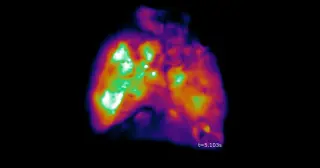
Stanford University scientists have developed a new mouse model featuring human brain tissue to study neurodevelopmental disorders. By genetically removing the mouse cerebral cortex and transplanting human cortical organoids, researchers created 'xenocortical' mice where human neurons integrate with the host nervous system. These animals exhibit normal locomotion but show specific behavioral deficits, offering a platform to test treatments for conditions like epilepsy and autism that are difficult to model in standard rodents. The study, published in Nature, has prompted calls for new ethical guidelines regarding animal cognition and welfare.

Pig Kidney Keeps Patient Off Dialysis for 271 Days in Landmark Trial
health-and-science2 months ago

Pig Kidney Keeps Patient Off Dialysis for 271 Days in Landmark Trial

A genetically modified pig kidney kept a 66-year-old man off dialysis for 271 days, marking the longest successful xenotransplant on record. The organ eventually failed, but the patient successfully received a human donor kidney afterward. This case supports the use of animal organs as a 'bridge' to human transplants, with expanded trials planned for 2027.

CRISPR-edited beagles Bailey and Alfie offer first proof of concept for allergy-free dogs
science3 months ago

CRISPR-edited beagles Bailey and Alfie offer first proof of concept for allergy-free dogs

Scientists at Kindred Companion Sciences successfully used CRISPR gene editing to create two beagles, Bailey and Alfie, that lack the primary protein causing dog allergies. The pups were born in September 2024 and have shown no adverse health effects after a year, allowing their creator to interact with them without triggering symptoms. While this marks a breakthrough, experts warn that commercialization will take years and could negatively impact animal shelters if it discourages adoption of non-engineered pets.

Mary-Dell Chilton: The quiet driver of the GMO revolution in crops
technology4 months ago

Mary-Dell Chilton: The quiet driver of the GMO revolution in crops

Mary-Dell Chilton, a pioneering chemist and biotechnologist, led teams that used Agrobacterium tumefaciens to insert foreign genes into plants, producing the first genetically modified plant in 1982 and kickstarting the GMO era; her trailblazing work, alongside perseverance in the face of gender barriers, earned major honors and reshaped modern agriculture.

CRISPR-edited hookworms turn into living antidote factories inside the body
science5 months ago

CRISPR-edited hookworms turn into living antidote factories inside the body

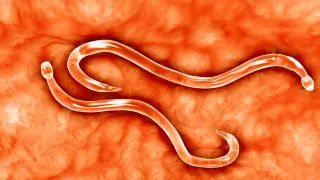
Researchers modified hookworms (Ancylostoma ceylanicum) with CRISPR to secrete an antibody that neutralizes tetrodotoxin, showing in hamsters that a parasite can act as a living factory for therapeutics; a first‑of‑its‑kind proof of concept with potential to deliver antibodies or other drugs inside the body, though human use is years away and future work must address durability and safety.

Could Humans Become a New Species? Very Unlikely, Yet Possible
science7 months ago

Could Humans Become a New Species? Very Unlikely, Yet Possible

Global connectivity makes the emergence of a truly new human species unlikely in the near term, since geographic isolation and sustained evolutionary pressure are hard to sustain; however, two hypothetical paths—long-term isolation in space settlements and deliberate germline genetic tinkering—could, in theory, drive divergence over generations into a separate species, though such an outcome remains speculative rather than imminent.

Dire Wolves Grow Up at Colossal Biosciences, Snacking on Deer Marks Maturation
science9 months ago

Dire Wolves Grow Up at Colossal Biosciences, Snacking on Deer Marks Maturation

Colossal Biosciences has brought dire wolves Romulus and Remus to life from ancient DNA, raised with surrogate dog mothers, and they are now about 16 months old with maturation to around age three. They recently fed on their first deer carcass and also catch small prey on Colossal’s 2,000+ acre preserve, illustrating their wolf nature rather than domestication. A female pup named Khaleesi, born Jan. 2025, rounds out the trio. They’re friendly toward staff when fed but remain wild wolves, not pets.

Colossal's Genetically Engineered Animals: Reality or Fiction?
science10 months ago

Colossal's Genetically Engineered Animals: Reality or Fiction?

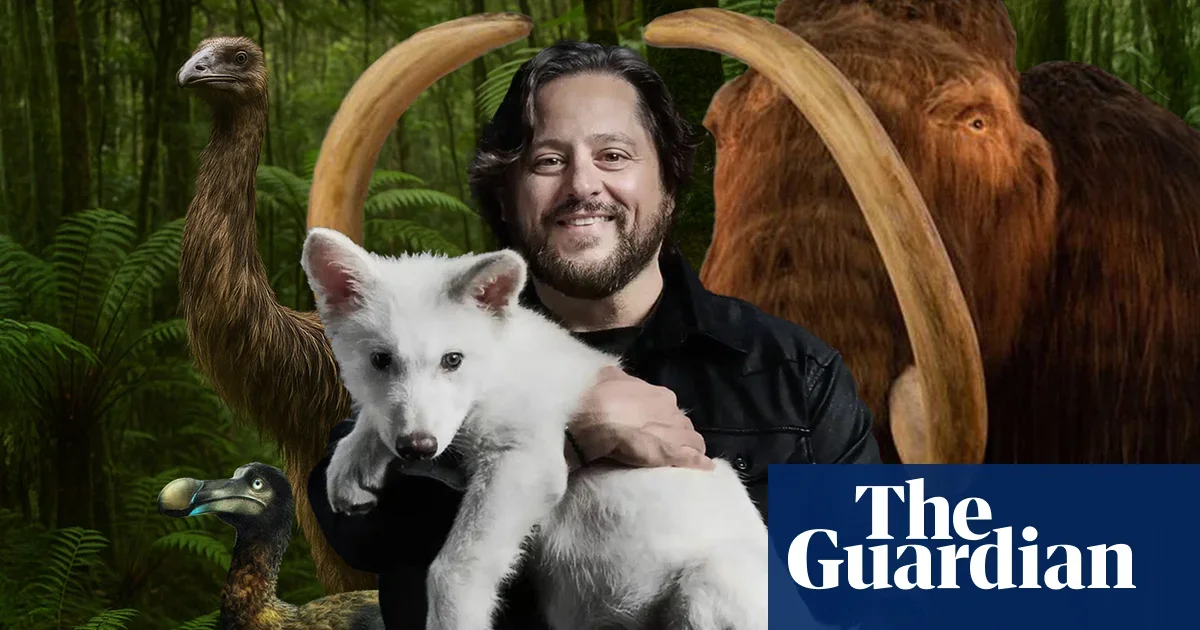
Colossal Biosciences, led by Ben Lamm, claims to have made progress in de-extincting species like the dire wolf and woolly mammoth through genetic engineering, but scientists remain skeptical, arguing that these are not true resurrected species but genetically edited animals that do not fully replicate the original extinct species. Critics warn that overhyping such claims can undermine scientific trust and emphasize that traditional conservation efforts remain essential.