
Microplastics Generate DNA-Damaging Radicals in Water, Challenging Inertness Assumptions
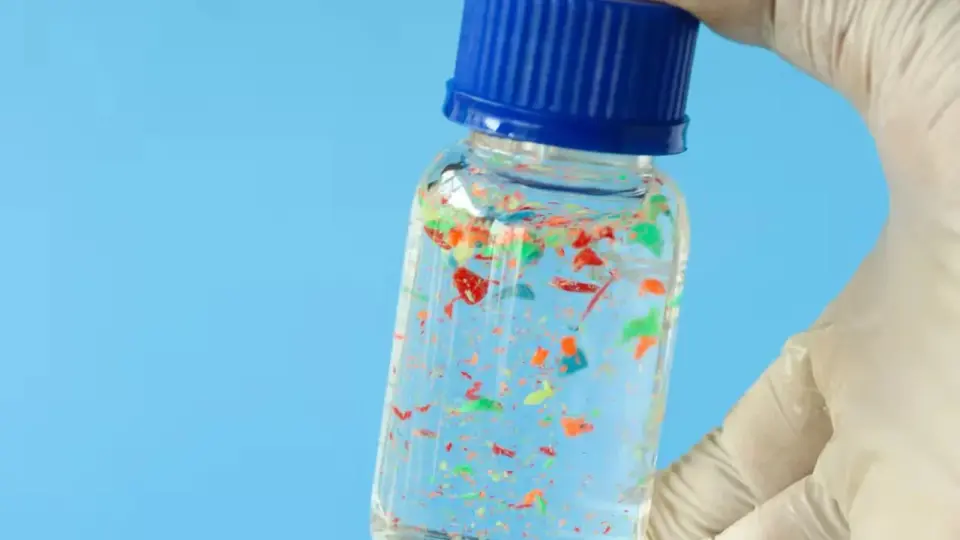
A new study in Nature reveals that microplastics are not chemically inert when exposed to water. Researchers from Columbia University and UC Berkeley found that these particles spontaneously generate hydroxyl free radicals, which can damage DNA and proteins. This mechanism, driven by the plastic's hydrophobicity, may explain how microplastics cause oxidative stress in the human body.
Key points
- Microplastics generate hydroxyl free radicals when in contact with water, challenging the view that plastics are chemically inert.
- The reaction is stronger in more hydrophobic plastics, such as polyethylene and polypropylene, due to changes in water structure and electrostatics at the interface.
- These radicals can damage biological molecules, including causing protein clumping and fragmenting red blood cells in lab tests.
- The findings provide a potential mechanism for how microplastics contribute to oxidative stress and cellular damage in the human body, which is largely composed of water.
- The US Department of Health and Human Services has launched a $144 million program to address microplastics, and the EPA has added them to a list of potential drinking water contaminants.
Background
Previous coverage from our archive (Oct 17-19, 2026) highlighted the same study, emphasizing the discovery that microplastics generate reactive oxygen species (ROS) in water. The current briefing expands on the specific mechanisms, such as the role of hydrophobicity and electrostatics, and the biological implications, including damage to proteins and red blood cells. It also notes the broader context of federal action and the EPA's recent inclusion of microplastics on a contaminant list.
How outlets are covering it
ScienceAlert and Ars Technica emphasize the novelty of the finding, highlighting that microplastics are not inert and can generate damaging radicals in water. Columbia University's press release focuses on the implications for human health and the potential for redesigning plastics to reduce toxicity. The Nature article provides the detailed scientific evidence, including the role of hydrophobicity and electrostatics in the radical generation process. Ars Technica also notes the ongoing debate about the direct link to human disease, with Wei Min acknowledging that the magnitude of the effect compared to natural ROS production is unclear.
Why it matters
This study provides a concrete mechanism for how microplastics may cause harm in the human body, moving beyond correlation to a potential causal pathway. It challenges the long-held assumption that plastics are chemically inert and suggests that the widespread presence of microplastics in water and the human body could have significant health implications. The findings may inform future regulations and the development of safer plastic materials.
What to watch
Researchers are now using animal studies to determine how microplastics migrate into fetal tissue during gestation. They are also exploring ways to reduce exposure, such as removing microfibers from laundry dryers. The US Department of Health and Human Services has launched a $144 million program to combat microplastics, and the EPA has added them to a list of potential drinking water contaminants. Further research is needed to determine the direct contribution of this effect to human disease.
- Microplastics Aren't Inert After All: In Water, They Make DNA-Damaging Free Radicals ScienceAlert
- Microplastics Are Chemically Active, and Could Cause Biological Harm Columbia University
- Intrinsic physicochemical activity at microplastic–water interfaces Nature
- Microplastics in water aren’t inert and make damaging chemicals on their own Ars Technica
- Microplastics Have Been Linked With Myriad Human Health Problems. Scientists May Have Finally Figured Out How They Harm the Body Smithsonian Magazine
Want the full story? Read the original reporting
Read on ScienceAlert