
MIT researchers use timed pink noise to amplify brain’s sleep-time waste clearance
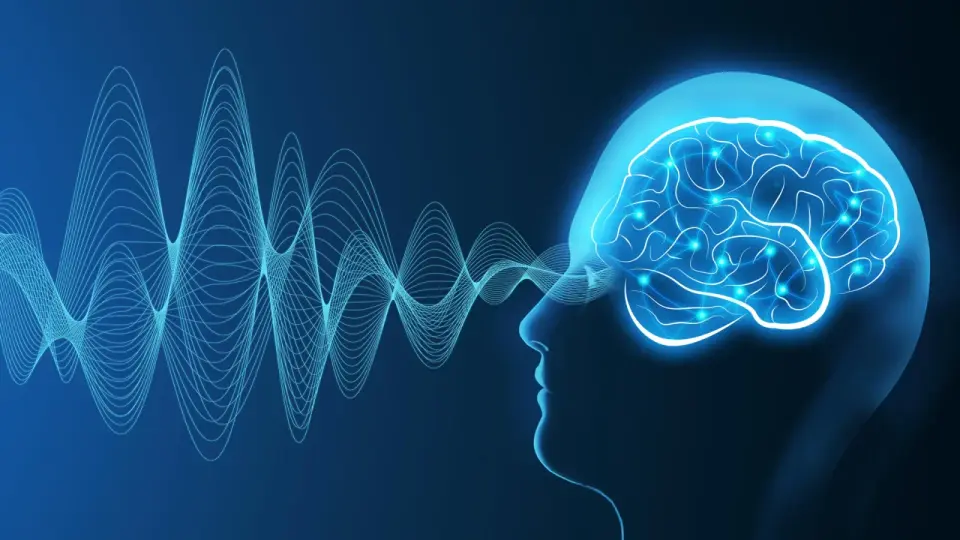
MIT researchers found that 50-millisecond bursts of pink noise, timed to slow brain waves during sleep, can strengthen cerebrospinal fluid flow, potentially aiding waste removal linked to Alzheimer's.
Key points
- Laura Lewis and Joshua Levitt at MIT discovered that auditory stimulation can enhance the brain's natural cleaning process during sleep.
- The method involves delivering 50-millisecond bursts of pink noise precisely when slow electrical brain waves peak during non-REM sleep.
- This timing amplifies the slow waves, which in turn increases the size of cerebrospinal fluid (CSF) waves that flush waste from the brain.
- The study involved 14 healthy volunteers and used a new algorithm to synchronize sound with brain activity, overcoming interference from fMRI magnetic fields.
- While the study confirmed increased CSF flow, it did not yet prove that this leads to better waste removal, improved memory, or reduced Alzheimer's risk.
Background
This research builds on earlier findings that the brain's glymphatic system clears metabolic waste primarily during non-REM sleep, a process that can decline with age. Previous studies in 2025 and 2026 highlighted the importance of deep sleep and breathing in coordinating brain rhythms for memory consolidation and waste clearance, setting the stage for interventions that target these biological mechanisms.
Why it matters
If this technique proves effective in clinical populations, it could offer a non-invasive method to combat neurodegenerative diseases like Alzheimer's by enhancing the brain's ability to clear harmful proteins such as amyloid beta and tau.
What to watch
Researchers plan to test the technique in clinical populations to see if it improves sleep quality and reduces protein buildup. Lead author Joshua Levitt has also launched a company to develop a home device, potentially a headband, that delivers the timed sounds to consumers.
Want the full story? Read the original reporting
Read on Science Daily