
Mosquitoes Prefer Specific Skin Microbes, While GLP-1 Drugs May Protect Eyes
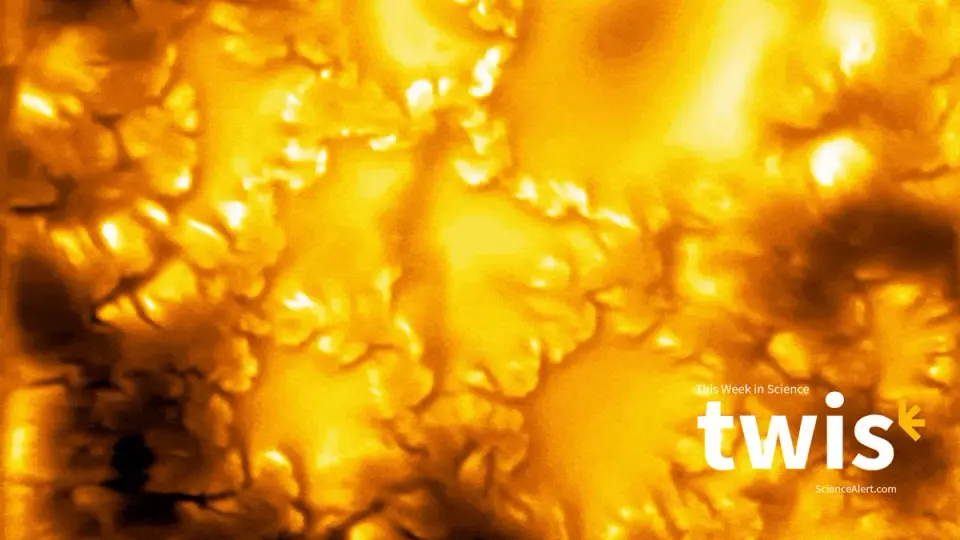
A new study confirms that individual skin microbiomes and scents determine mosquito attraction, with exercise and alcohol increasing risk. Meanwhile, GLP-1 weight-loss drugs show a potential link to reduced age-related macular degeneration, and the Daniel K. Inouye Solar Telescope has captured record-resolution images of solar vortices.
Key points
- Florida International University researchers found that specific skin microbes and scents make some people more attractive to mosquitoes than others.
- GLP-1 receptor agonists are associated with a lower risk of age-related macular degeneration, a leading cause of vision loss in older adults.
- The Daniel K. Inouye Solar Telescope in Hawaii captured the highest-resolution images of the Sun's surface ever, revealing hidden magnetic vortices.
- Scientists identified specific bacterial species that mediate the 'farm effect,' supporting the hygiene hypothesis that early microbial exposure reduces allergy rates.
- A review suggests that fecal matter from early animals may have contributed to the Cambrian explosion, aiding the evolution of complex life.
Background
Recent coverage has highlighted the rising costs and coverage restrictions for GLP-1 drugs, with some employers cutting weight-loss coverage due to high expenses. Previous studies also noted potential eye benefits of these medications, though causation remains under investigation. The 'farm effect' and hygiene hypothesis have been long-standing theories in immunology, now gaining more specific microbial evidence.
How outlets are covering it
ScienceAlert reports on the FIU study linking skin microbes to mosquito attraction and highlights the new solar telescope images. Good Housekeeping emphasizes practical advice, noting that exercise and open windows increase mosquito attraction through carbon dioxide and body heat. wxyz.com adds that alcohol consumption and blood type may also influence bite risk. Deccan Herald focuses on the chemical signature of scent as a primary factor in mosquito selection. While ScienceAlert and wxyz.com both mention the GLP-1 and AMD link, ScienceAlert frames it as a new finding, whereas our archive notes previous observational studies on this topic.
Why it matters
Understanding mosquito attraction can help individuals reduce bite risk through behavior and hygiene. The potential eye benefits of GLP-1 drugs could influence future treatment guidelines for age-related macular degeneration, though more research is needed. High-resolution solar images improve our understanding of solar activity, which impacts space weather and technology. Identifying the bacteria behind the 'farm effect' could lead to new preventive strategies for allergies and asthma.
What to watch
Further research is needed to confirm the causal link between GLP-1 drugs and eye health. Scientists will continue to analyze the solar telescope data to understand magnetic boundaries. More studies may explore how specific skin microbes can be managed to reduce mosquito attraction. The role of fecal matter in early evolution may be further investigated through fossil and genetic evidence.
- This Week in Science: Mosquito Magnets, Bonus Benefits of GLP-1s, And More ScienceAlert
- You're Not Imagining It – Some People Really Are More Attractive to Mosquitoes, Study Shows ScienceAlert
- 'I'm being eaten alive!' This healthy habit is making you a magnet for mosquitoes - here's what to do instead Good Housekeeping
- Doctors say mosquitoes do play favorites; here's why some people are more likely to be bitten wxyz.com
- Mosquitoes too swipe ‘right’ on human of their choice—are you a perfect match? Deccan Herald
Want the full story? Read the original reporting
Read on ScienceAlert