
Why Some People Are Mosquito Magnets: Skin Chemistry, Genetics, and Species-Specific Preferences
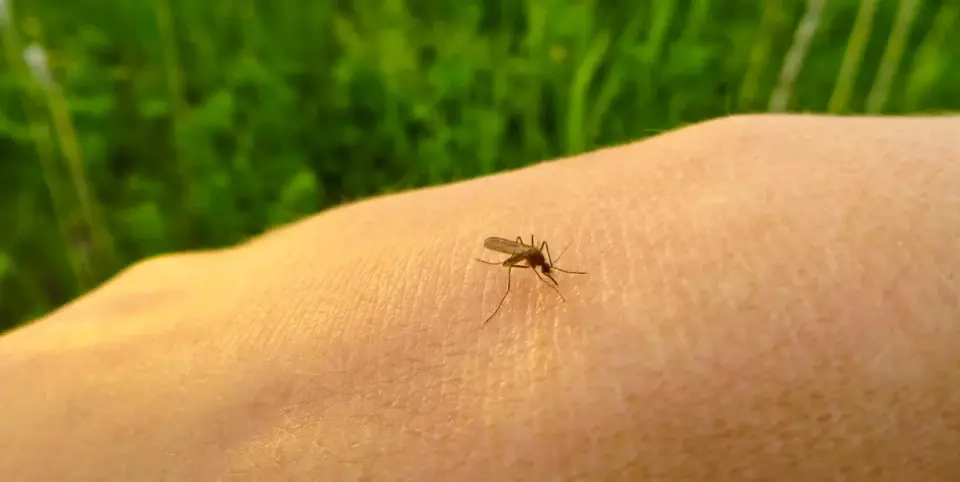
Research confirms that individual susceptibility to mosquito bites is driven by skin chemistry, genetics, and behavior, not blood sugar. A 2022 study linked attraction to carboxylic acids in skin oil, while a 2026 study found that different mosquito species prefer different human profiles based on specific odor compounds and microbiome differences.
Key points
- Mosquitoes locate hosts using carbon dioxide, heat, moisture, and complex skin odors, not blood taste.
- A 2022 Rockefeller University study found that high levels of carboxylic acids in sebum (skin oil) strongly predict mosquito attraction.
- Genetics play a significant role, with twin studies showing identical twins are bitten similarly, while non-identical twins differ.
- A 2026 study of 119 volunteers revealed that Aedes aegypti, Aedes albopictus, and Culex quinquefasciatus have distinct preferences based on different odor molecules.
- Effective protection relies on DEET, picaridin, or oil of lemon eucalyptus repellents, light-colored loose clothing, and avoiding standing water.
- Myths about garlic, vitamin B, or 'sweet blood' offering protection or attraction lack scientific support.
Background
Previous coverage in our archive does not relate to entomology or mosquito behavior, as it focused on technology updates and criminal investigations. Therefore, no background context from the archive is applicable to this story.
How outlets are covering it
Good Housekeeping emphasizes lifestyle factors like exercise, alcohol consumption, and clothing color, citing Professor Adam Hart. The Guardian highlights the role of body odor and genetics, noting that identical twins are bitten similarly, and warns about the rising threat of mosquito-borne diseases like dengue in the UK. Space Daily focuses on the 2022 Rockefeller University study, detailing how carboxylic acids in skin oil determine attraction, and notes that this trait is stable over years. Techno-Science reports on a 2026 study showing that different mosquito species have different preferences, with Aedes aegypti favoring men and specific odor profiles, contradicting the idea of a universal 'mosquito magnet.'
Why it matters
Understanding the biological and chemical reasons behind mosquito attraction helps individuals adopt effective prevention strategies. As climate change expands the range of disease-carrying mosquitoes, such as those transmitting dengue and malaria, knowing that repellents and clothing choices are more effective than food-based myths is crucial for public health and personal safety.
What to watch
Researchers are exploring whether manipulating the skin microbiome can alter mosquito attraction, though this remains speculative. Future studies may test if the carboxylic acid findings apply to other species like Anopheles, which carries malaria. Public health efforts will likely continue to emphasize proven repellents and vector control measures as mosquito populations grow in new regions.
- 8 surprising reasons you get more bug bites than any one else and what to do about it Good Housekeeping
- Stop the bites! How to survive another summer of mosquitoes, midges and horseflies The Guardian
- Mosquitoes bite some people far more than others, and it has nothing to do with sweet blood — one research team traced it to the oily film on our skin, where certain fatty acids help create body odour Space Daily
- Eight essential do's and don'ts to avoid insect bites as heatwave continues The Sun
- 🦟 Mosquitoes select who to bite according to their species Techno-Science
Want the full story? Read the original reporting
Read on Good Housekeeping