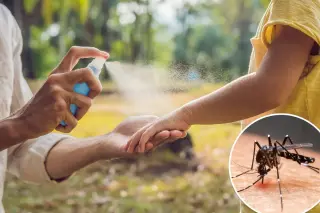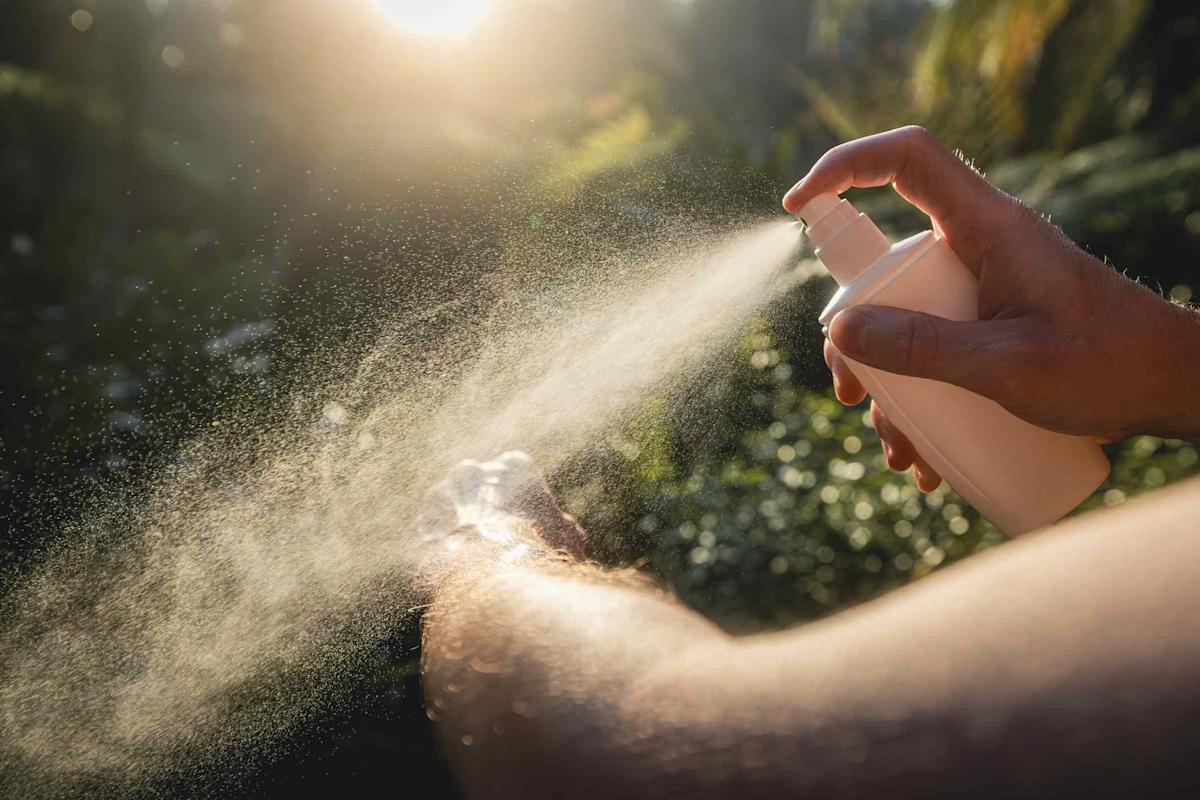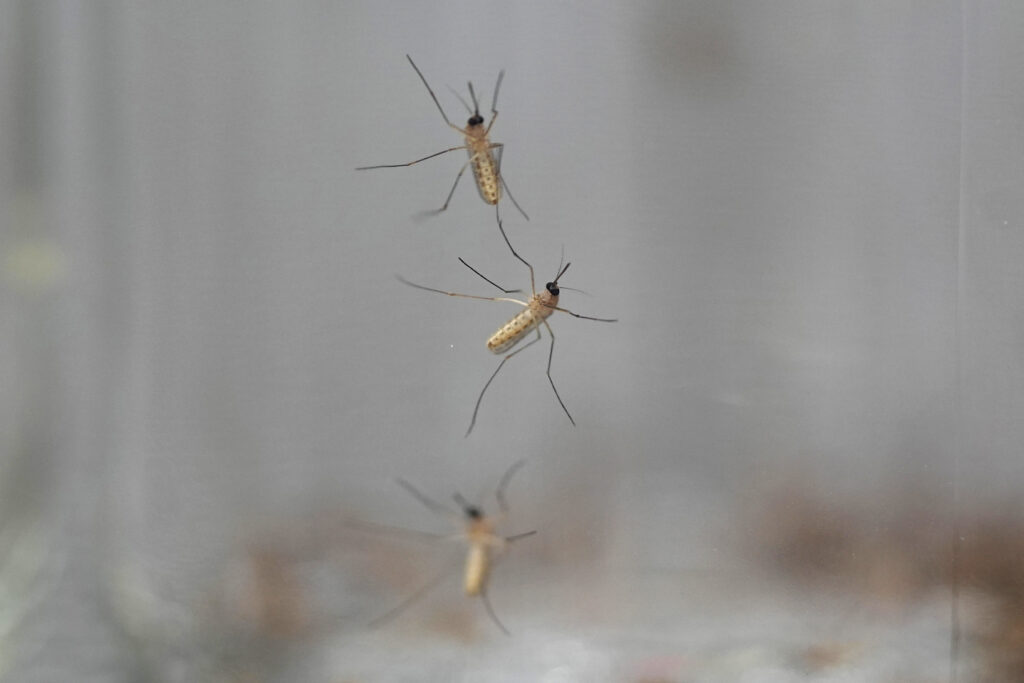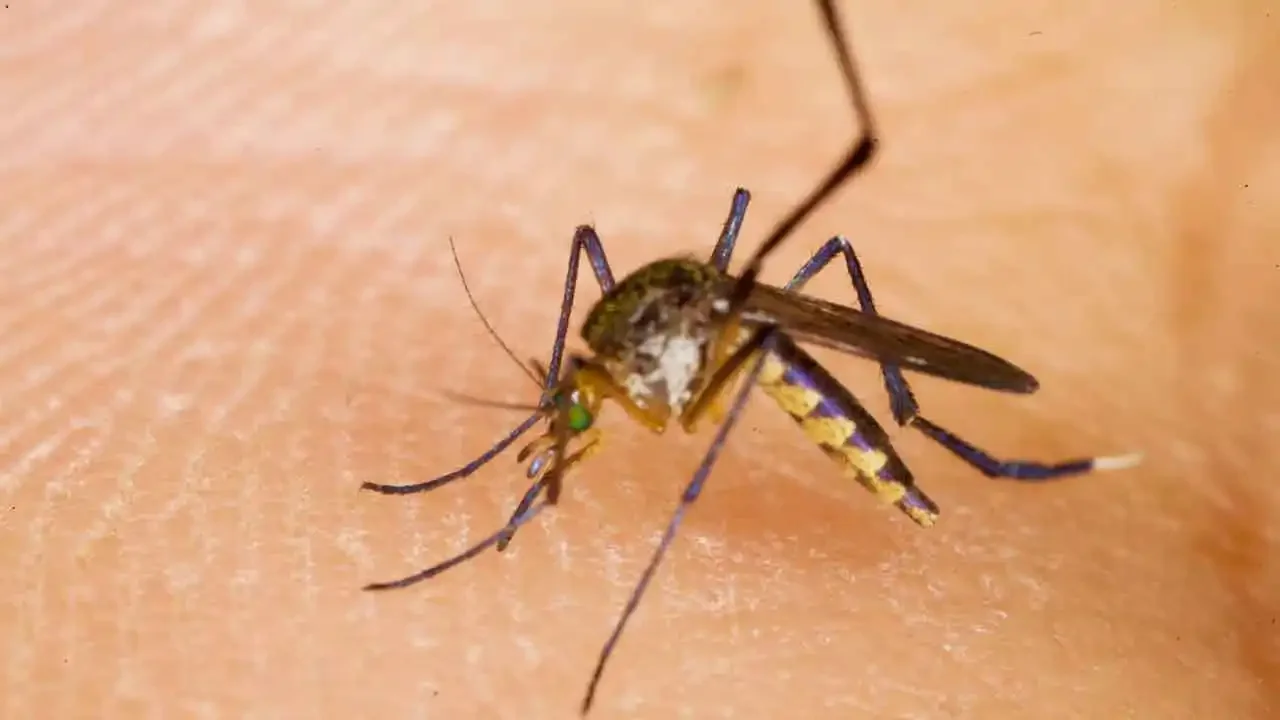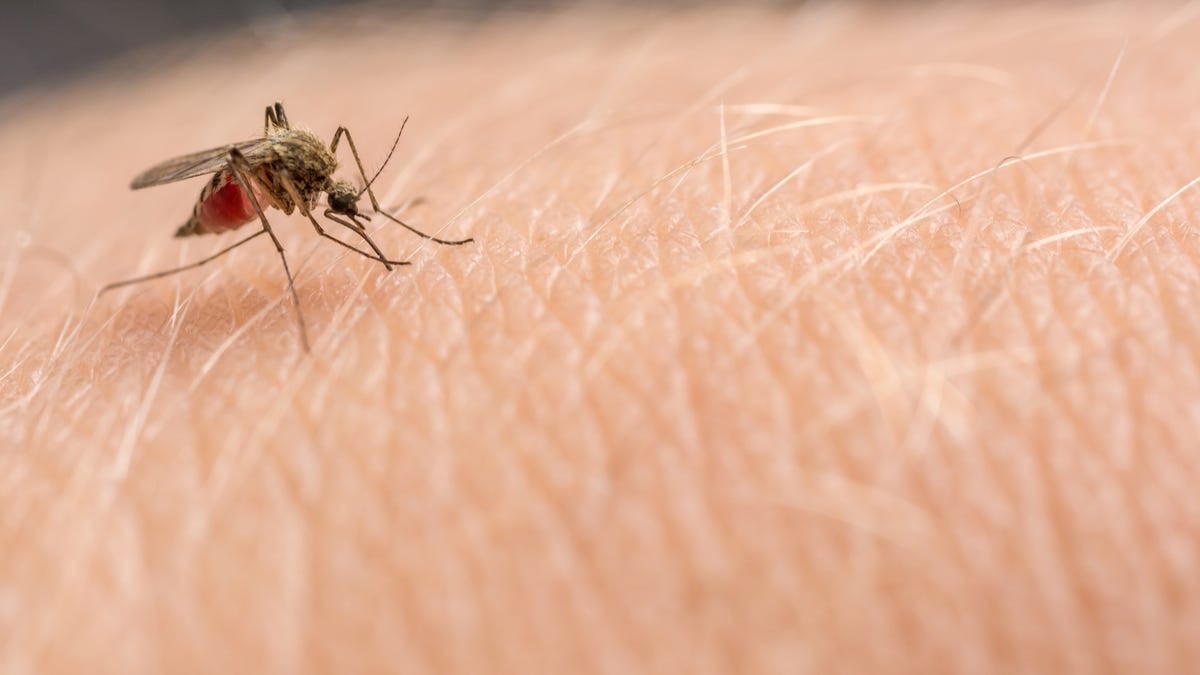
A lab study suggests mosquitoes can learn to associate DEET with a blood meal, with about 60% of trained insects attempting to bite a DEET-presented hand later, though DEET remains effective in normal outdoor conditions and the duration of this memory is not yet known.
A laboratory study shows mosquitoes can form a learned association between the repellent DEET and a blood meal, with about 60% of trained mosquitoes attempting to bite DEET when later exposed to it. This suggests repellents can be less effective under certain conditions, though experts stress normal use remains valid and travelers should continue reapplying as directed; more research is needed to understand how long such memories last and how this translates outside the lab.
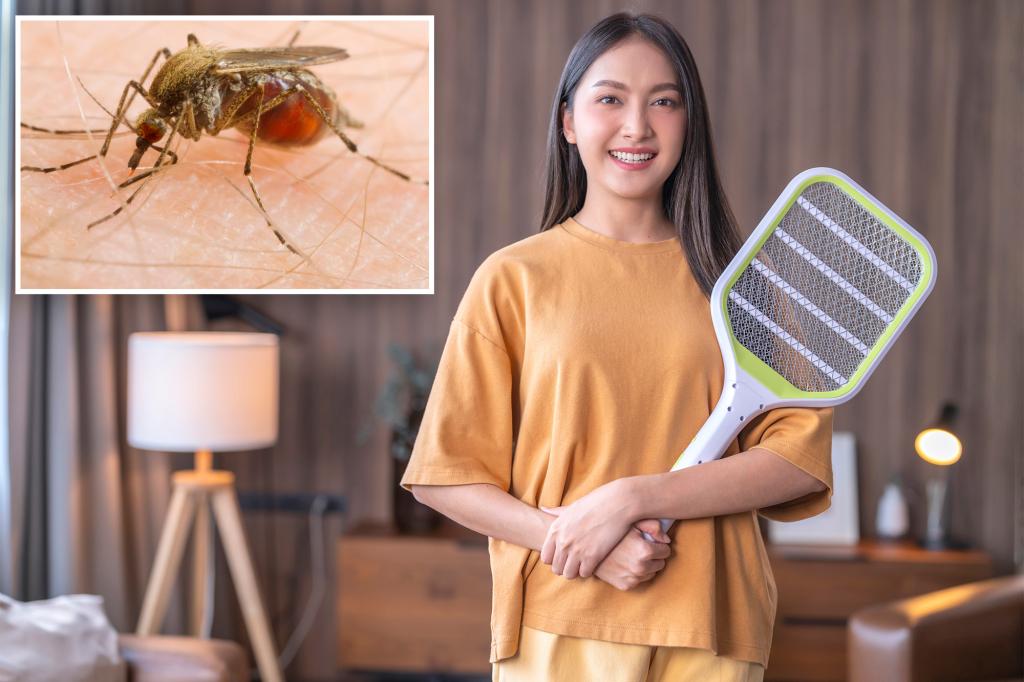
NBC Select panels expert guidance and product picks for ridding homes of mosquitoes: start by identifying and eliminating standing water to stop breeding, then use a mix of larvicidal options (like mosquito dunks) and devices such as indoor plug-in traps (Zevo), outdoor repellents (Thermacell), bug zappers, and body repellents to prevent bites and entry.
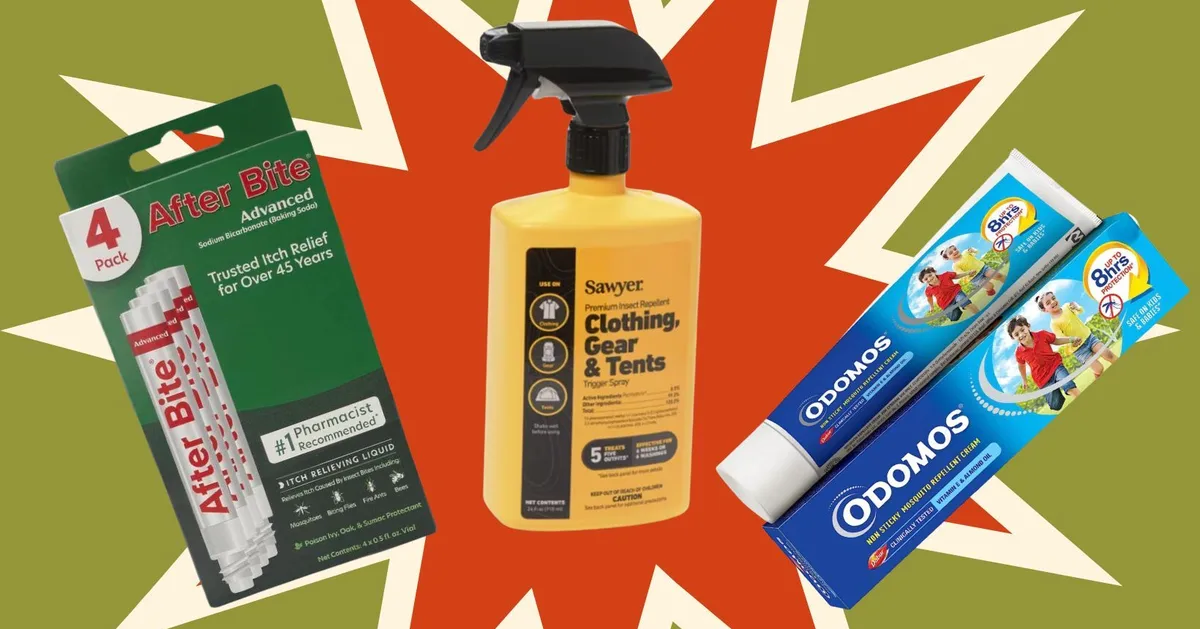
The article reviews various mosquito repellents and protective products for summer, including chemical-based sprays like DEET and picaridin, natural options like lemon eucalyptus oil, physical barriers such as mosquito nets, and innovative solutions like electronic devices and outdoor fans, emphasizing the importance of choosing effective and safe options to prevent bites and related diseases.
This article provides seven practical tips to prevent mosquito bites during summer, including managing CO2 output, controlling sweat and body odor, choosing protective clothing, using repellents, timing outdoor activities wisely, modifying the environment, and taking extra precautions if you have Type O blood, to enjoy outdoor activities safely.
To prevent mosquito bites, experts recommend using citronella candles or plants, spraying your yard with insecticide if necessary, reducing standing water around your home, avoiding outdoor activities during peak mosquito hours at dawn and dusk, and using fans to deter mosquitoes. Installing bat boxes can also naturally reduce mosquito populations by attracting bats that feed on them.
As mosquito season begins in the U.S., the CDC recommends using repellents with DEET, IR3535, picaridin, or oil of lemon eucalyptus to protect against bites and diseases like malaria and Zika. Additional preventive measures include wearing long sleeves, avoiding peak mosquito activity times, eliminating standing water, and treating clothes with permethrin. The CDC tests insecticides in a Fort Collins lab to monitor effectiveness and resistance, noting that mosquitoes can develop resistance to chemicals like pyrethroids.
Mosquitoes are attracted to individuals based on a combination of biological factors and behaviors. Factors such as body odor, sweat, blood type, and breathing patterns can make certain individuals more appealing to mosquitoes. Additionally, activities like vigorous exercise and alcohol consumption can increase mosquito attraction. To ward off mosquitoes, it is recommended to use fragrance-free personal care products, wear light-colored clothing, and use insect repellents containing picaridin. Other options include using specialized string lights or fans to create a breeze, as mosquitoes struggle in windy conditions.
Mosquitoes are abundant in western Colorado this year due to high levels of water from snowmelt and spring rain. There are about 45 species of mosquitoes in Colorado, and they thrive in areas with standing water. To prevent mosquitoes from multiplying, it is important to eliminate standing water and use larvicides if necessary. Repellents containing DEET, picaridin, or oil of lemon eucalyptus can effectively keep mosquitoes away. Wearing dark colors and avoiding breath odors can also make a person less attractive to mosquitoes. Mosquitoes can transmit diseases such as West Nile virus, so it is important to protect oneself using physical barriers or repellents.
Soaps and scents made with lemon eucalyptus, peppermint, neem, and lavender are effective in repelling mosquitoes. Lemon eucalyptus is as effective as DEET, while peppermint oil can be applied directly to the skin and added to standing water to kill mosquito larvae. Neem oil is more effective against certain mosquito species, and lavender repels mosquitoes and can be used as an anti-itch solution. However, these plant-based options are only appropriate in low-risk areas and should be used in conjunction with other preventive measures in high-risk areas.
Entomologist Sonja Swiger, PhD, of Texas A&M AgriLife Extension Service has shared five suggestions for keeping mosquitoes out of your house this summer. These include disposing of stagnant water, keeping doors shut and using impenetrable screens, avoiding an overgrown yard and shrubbery, using repellents consistently, and knowing when mosquitoes are in action. Taking preventative steps can decrease the number of mosquitoes in or around your home, and frequent use of repellents can help lessen bites.
New research has found that mosquitoes are attracted to body odor, also known as BO, and can find humans from 350 feet away once they get a whiff. The study identified 40 chemicals emitted by humans, with people who were more attractive to mosquitoes consistently emitting more carboxylic acids produced by skin microbes. The findings could lead to the development of more effective repellents and traps to combat the pesky insects, which can carry deadly diseases.
New research has found that mosquitoes are drawn to body odor, also known as BO, and some people are more attractive to mosquitoes than others due to their body odor. The study identified 40 chemicals emitted by humans, and people who were more attractive to mosquitoes consistently emitted more carboxylic acids produced by skin microbes. The study could lead to the development of more effective repellents and traps.
A new study by Virginia Tech researchers found that using certain soaps can change a person's odor profile and attract or repel mosquitoes. Floral scents tend to be more attractive to mosquitoes, while coconut-scented soaps decreased attractiveness. The study hopes to influence future research to develop better mosquito repellents and attractants for traps.