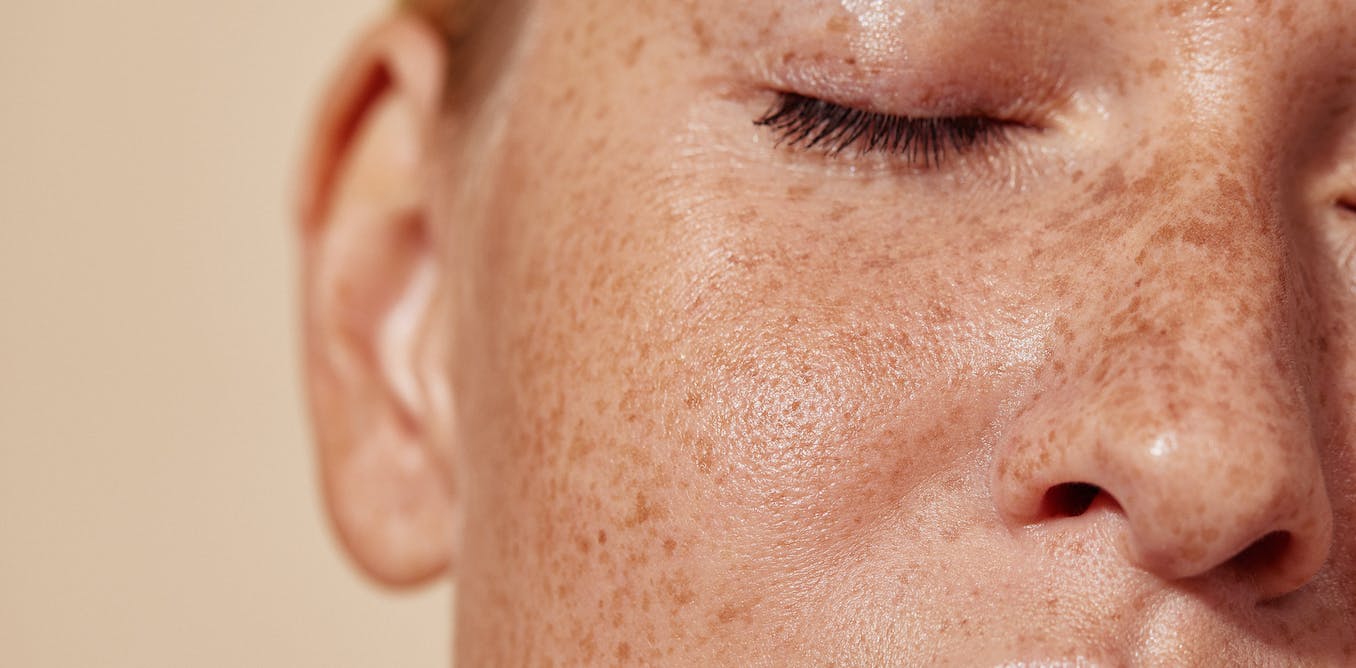
Researchers at Florida International University found that three common mosquito species have distinct preferences for human hosts based on skin odors and bacteria, with no single person attracting all three types.
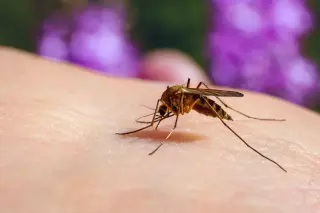
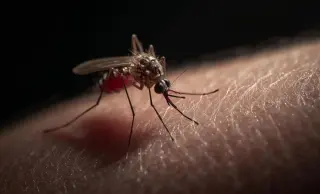
Mosquito attraction is driven by skin-emitted carboxylic acids shaped by your genes and microbiome; a Rockefeller University study found 'mosquito magnets' can be up to 100 times more attractive, with this ranking staying stable over time. The most reliable protection is an EPA-registered repellent containing DEET or picaridin applied after showering. Surprisingly, some floral-fragranced soaps can increase attraction, so a fragrance-free routine (and rinsing off sweat to reduce lactic acid) helps. Myths like garlic, vitamin B, repellent wristbands, bug-zappers, and citronella offer little protection. Bottom line: you can’t change your skin, but a proper repellent and scent-free evening routine can meaningfully reduce bites.
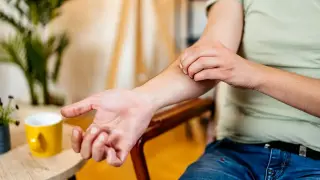
University of Pittsburgh researchers show that scratching an itch activates mast cells to release histamine and substance P, boosting inflammation and prolonging the itch-scratch cycle in an eczema-like mouse model; mice prevented from scratching or lacking itch-sensing neurons had less inflammation, while scratching altered the skin microbiome, suggesting itching evolved partly to defend against infection but worsens chronic dermatitis. Cold compresses and 1% hydrocortisone cream can help relieve itching.
A new synthesis of decades of research shows female mosquitoes first zero in on humans by exhaled carbon dioxide, with body size, metabolism, pregnancy, and exertion increasing the cue. Once close, skin-emitted chemicals—notably carboxylic acids from sweat and skin microbes, plus the mushroom-scent compound 1-octen-3-ol—drive bite attraction and are resilient to washing due to rapid skin-microbiome reestablishment. Blood type signals remain inconclusive, while dark clothing and alcohol can heighten risk. Notably, some pathogens may manipulate hosts to attract more mosquitoes (malaria via HMBPP; dengue/Zika through skin-microbiome changes). Practically, this points to repellents that mask key signals or alter the microbiome, and field tests to identify transmission hubs.
Cohabiting couples share a sizable portion of their microbiomes, with about 30% of gut bacteria and notable overlaps in oral and skin microbes, driven by shared environments and daily habits. Greater microbial diversity from living together can be linked to lower risks of IBS, cardiovascular disease and high blood sugar, but the health impact depends on which bacteria are shared; some bacteria can be beneficial, others harmful. Saliva exchange during kissing further spreads oral bacteria, and while overall effects are still being studied, the shared microbiome is a real and ongoing area of research.
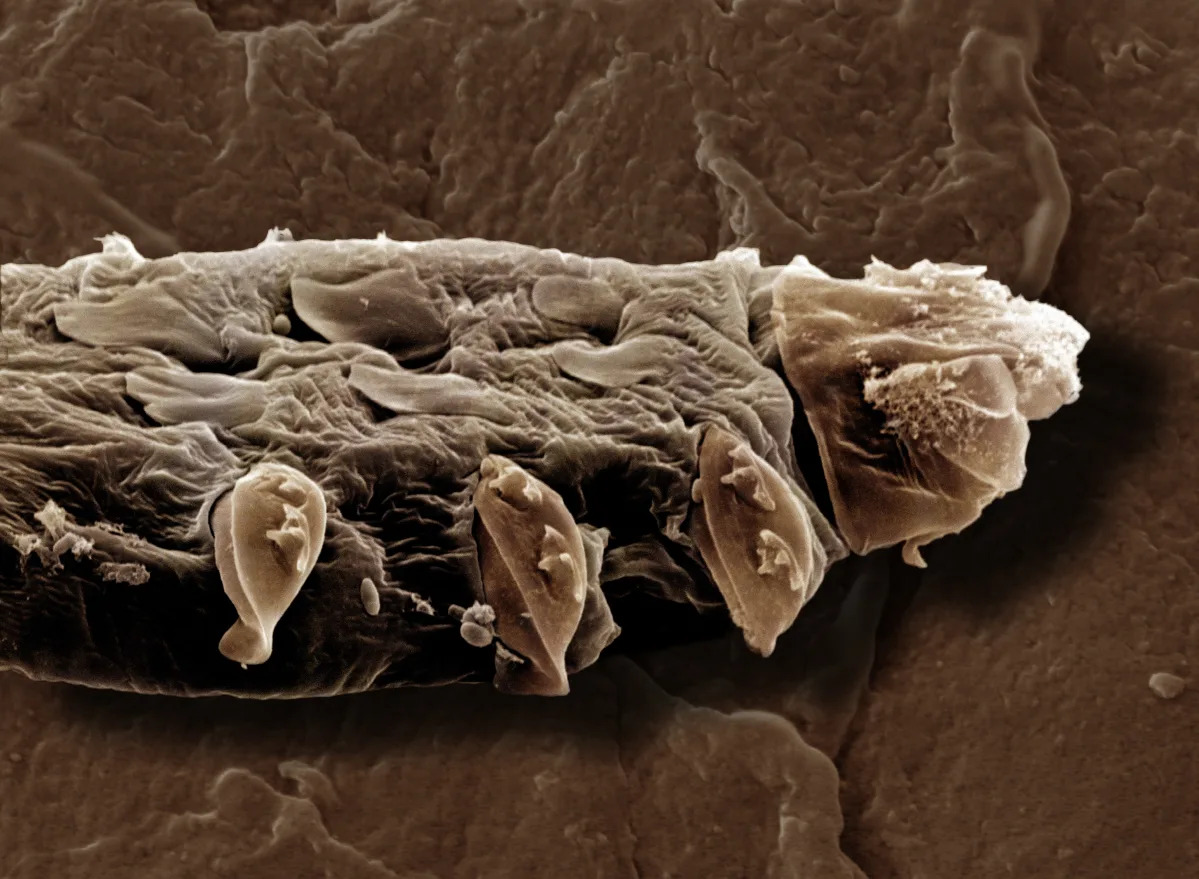
Most adults carry mites like demodex on their skin; they live in hair follicles and pores, feed on skin oils and dead cells, and are typically harmless symbionts. A shift in balance due to immune suppression or damaged skin can be linked to conditions such as rosacea and blepharitis, but the mites are usually not the main culprits. Dust mites in bedding can trigger allergies, scabies is a disease caused by a mite that requires treatment, and head lice are insects, not mites. Humans are ecosystems, and most of the microscopic life on skin is harmless or beneficial.
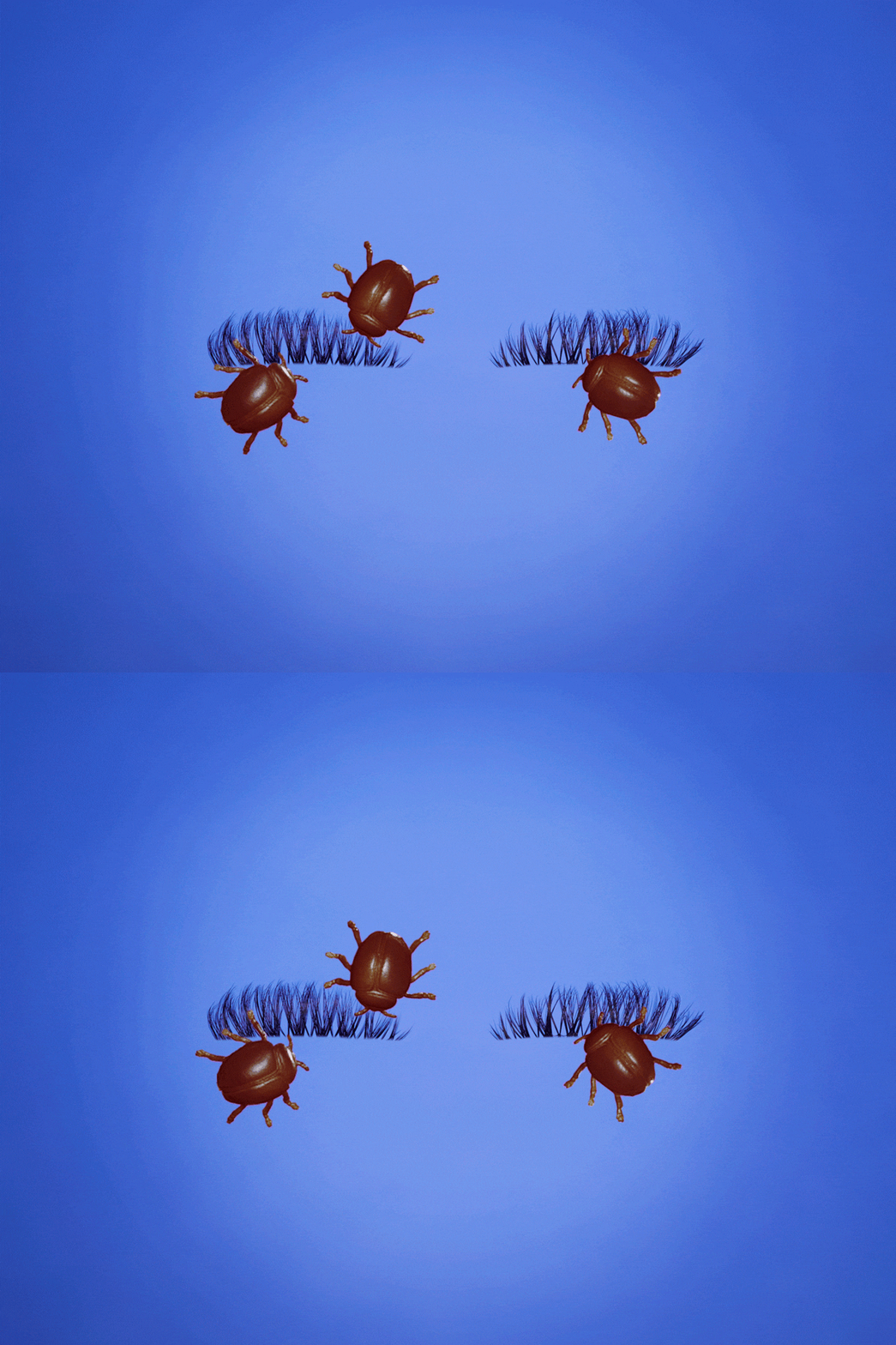
Demodex mites, tiny bugs living in our eyelashes and on our faces, are generally harmless and part of our normal skin microbiome. While they can cause symptoms like redness, inflammation, and vision issues if their population grows too large, these mites are usually kept in check by our immune systems. Treatments are available if problems arise, and maintaining good facial hygiene can help prevent overpopulations.
Demodex mites, tiny creatures living on our faces and eyelashes, are generally harmless and part of our normal skin microbiome. While they can cause symptoms like redness and inflammation if their population grows too large, simple treatments can manage these issues. Maintaining good skin hygiene and avoiding excessive sun exposure can help keep their numbers in check.
Researchers have developed an engineered skin microbe that delivers a sebum modulator to mice, potentially offering a new approach to treating skin conditions. This study adds to the growing body of research on engineered bacteria for medical applications, including skin health and cancer immunotherapy. The skin microbiome and its interaction with skin conditions like acne are areas of active research, with potential implications for developing new treatments.
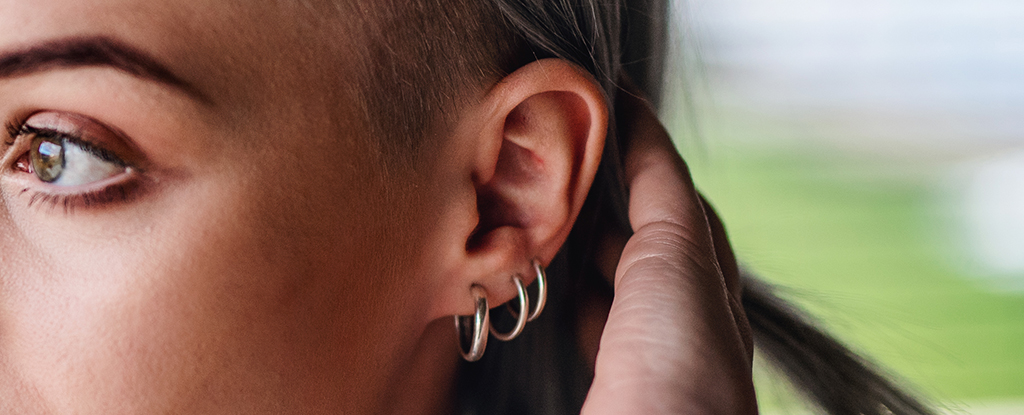
A study conducted by researchers from McGill University in Canada examined the impact of ear piercings on the skin microbiome. The study found that getting a piercing creates a significant shift in the microbiome, leading to greater biodiversity and ecological complexity. The areas around piercings began to resemble other moist patches of skin, such as the armpit or nose. The presence of certain bacteria, like Staphylococcus epidermidis and Cutibacterium acnes, was observed, but they tended to keep each other in balance. This research sheds light on the consequences of piercings on the skin's smallest lifeforms and could contribute to a better understanding of maintaining a healthy skin microbiome.
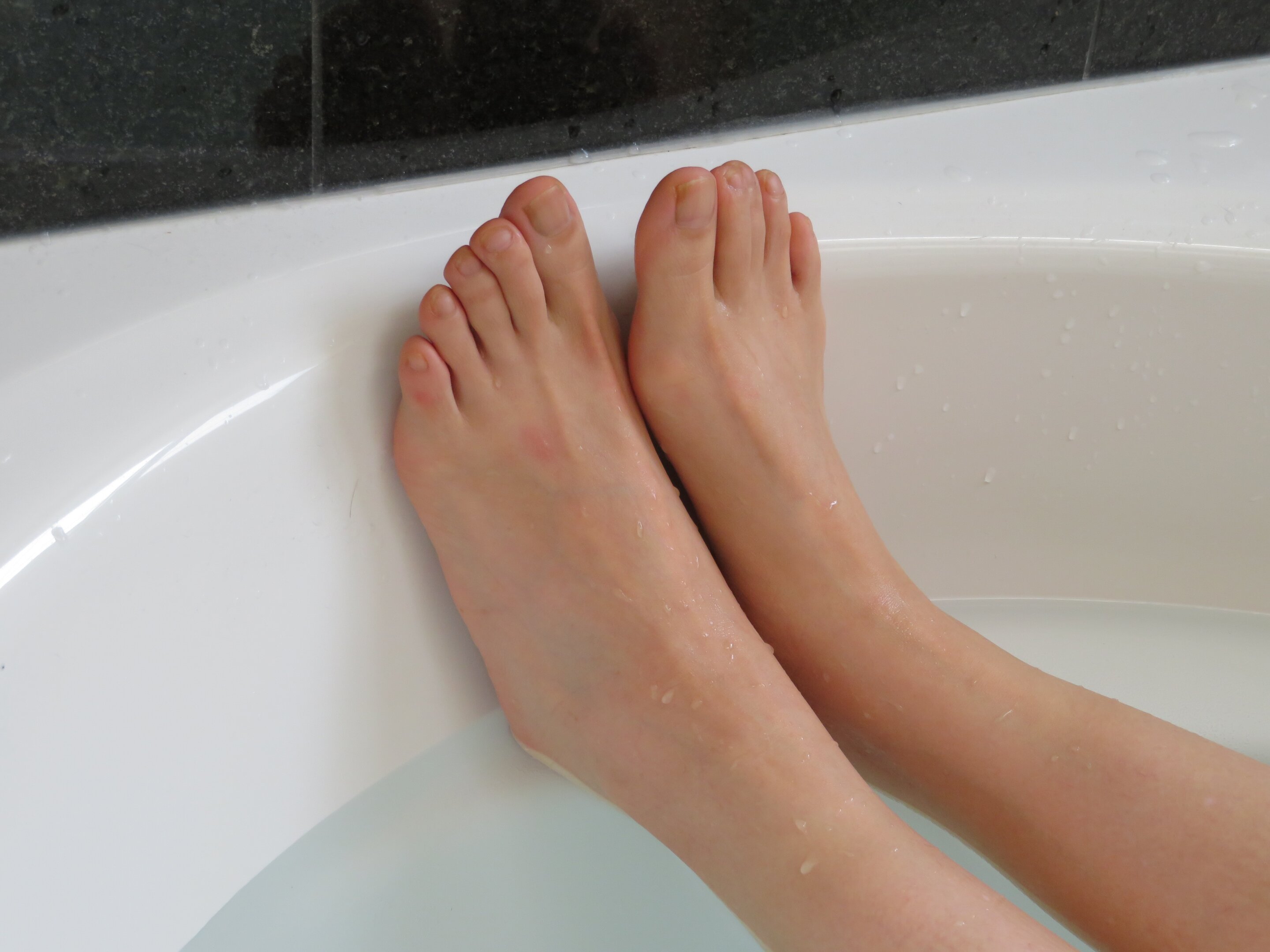
A study by researchers at the George Washington University has found that the composition of the skin microbiome varies across dry, moist, and oily regions of the skin. The study, which tested the "Grandmother Hypothesis," showed that areas like behind the ears and between the toes, which are often washed less frequently, can harbor different types of bacteria compared to areas that are cleaned more thoroughly. The researchers found that these hotspots had a less diverse collection of microbes, potentially leading to skin diseases like eczema or acne. The study highlights the importance of proper hygiene in maintaining a healthy skin microbiome.
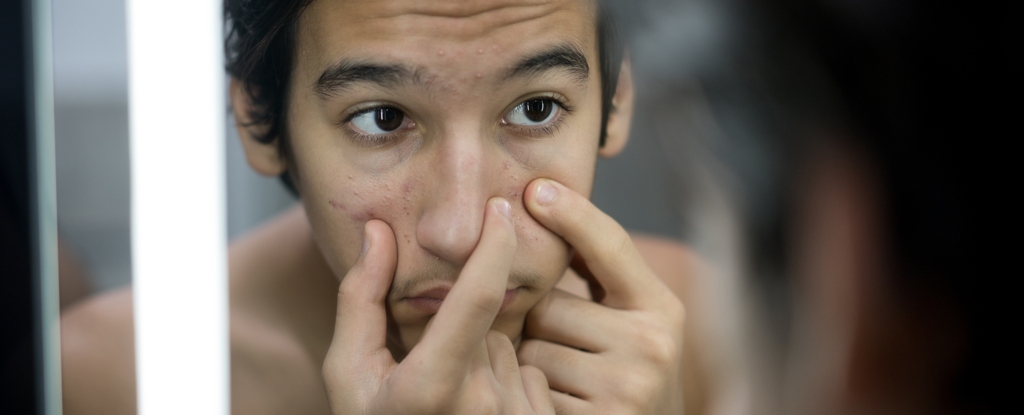
Contrary to popular belief, acne-causing bacteria, specifically Cutibacterium acnes (C. acnes), may actually be vital for maintaining healthy skin. Researchers at the University of California, San Diego found that C. acnes triggers skin cells to increase production of lipids, such as ceramides and triglycerides, which are essential for maintaining the skin barrier and protecting against damage. The bacteria achieve this by producing propionic acid, which not only limits pathogen growth and reduces inflammation but also helps maintain a balanced skin microbiome. These findings shed light on the important role of C. acnes in shaping the composition of skin lipids and may lead to new treatments for skin conditions.
New research conducted by the Gallo Lab at the University of California, San Diego, in collaboration with SILAB, has found that the common skin bacterium Cutibacterium acnes (C. acnes) triggers certain skin cells to significantly increase production of lipids that are essential for maintaining the skin barrier. The study revealed that C. acnes induces an increase in lipid production by producing propionic acid, which not only limits pathogen growth and reduces staph infections but also contributes to anti-inflammatory effects in the gut. The lipids produced after exposure to C. acnes or propionic acid have antimicrobial effects against C. acnes, suggesting a dual role in controlling its presence on the skin and maintaining the balance of the skin microbiome. This research highlights the important role of C. acnes in shaping the composition of skin lipids and may lead to new treatments for skin conditions.
Researchers have found that sun-seeking behavior during vacations can lead to short-term changes in the skin microbiome, potentially increasing the risk of conditions such as eczema. The study, which analyzed the skin samples of 21 participants before and after their vacations, revealed that sun exposure affected the diversity and composition of skin bacteria, but these changes reversed after 28 days. While further research is needed to understand the long-term implications, it is important to limit sun exposure and take precautions to protect the skin during vacations.