
Neanderthal DNA deletion linked to smaller brain lobes and lower schizophrenia risk
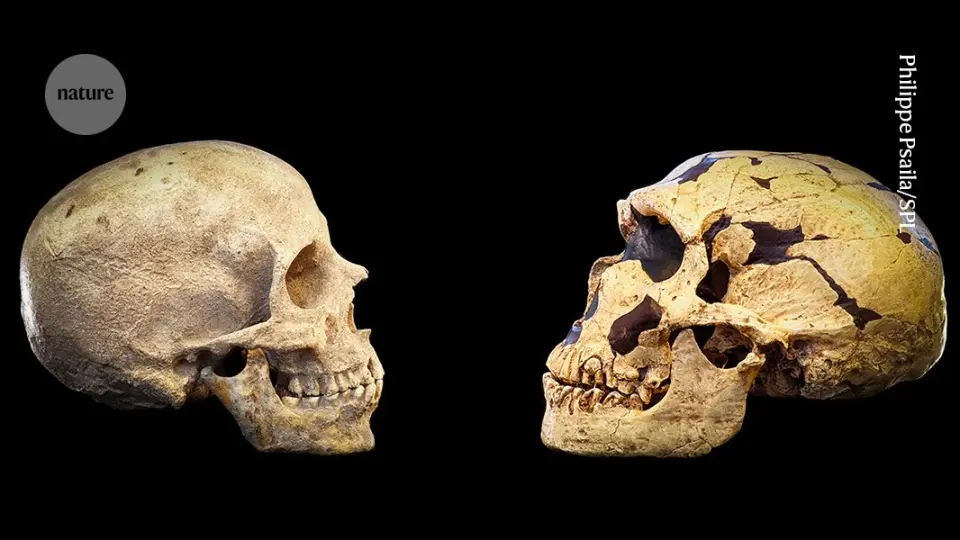
A four-nucleotide DNA deletion on chromosome 14, inherited from Neanderthals, is associated with smaller occipital lobes and a reduced risk of schizophrenia in modern humans. The variant, found near the DAAM1 gene, appears to have entered the human genome through interbreeding approximately 47,000 years ago. While it correlates with a 5-10% lower schizophrenia risk, it shows no link to general intelligence or educational attainment.
Key points
- A four-nucleotide deletion on chromosome 14, inherited from Neanderthals, is associated with smaller occipital lobes in modern humans.
- The variant is linked to a 5-10% lower risk of schizophrenia, with no significant association with general intelligence or educational attainment.
- The deletion is located near the DAAM1 gene, which plays a role in early brain development, though the exact mechanism remains unclear.
- The variant is present in all five detailed Neanderthal genomes but absent in Denisovan genomes, suggesting a recent interbreeding event around 47,000 years ago.
- The finding contradicts the expectation that Neanderthal DNA would lead to larger occipital lobes, as Neanderthals had proportionally larger occipital lobes than modern humans.
Background
Previous research has established that modern humans carry fragments of Neanderthal DNA from interbreeding events tens of thousands of years ago. These genetic traces have been linked to various health outcomes, including immune function and disease susceptibility. The current study builds on this by identifying a specific variant that influences brain anatomy and psychiatric risk, adding to the understanding of how ancient hominin genetics continue to shape modern human biology.
How outlets are covering it
Nature emphasizes the variant's strong effect on brain anatomy, calling it one of the most significant observed. Scientific American highlights the nearly 10% lower schizophrenia risk for individuals with two copies of the variant. ScienceAlert notes the contradiction between Neanderthal brain anatomy and the modern human effect, suggesting that brain anatomy is influenced by multiple factors. All sources agree on the variant's origin from Neanderthals and its association with smaller occipital lobes and lower schizophrenia risk, but differ in emphasis on the mechanism and implications.
Why it matters
This finding provides insight into how ancient interbreeding events continue to influence modern human brain structure and psychiatric health. Understanding the role of Neanderthal DNA in brain development and disease risk could inform future research into genetic contributions to neurological conditions and offer new perspectives on human evolution.
What to watch
Researchers plan to continue searching for other consequential Neanderthal DNA segments in the human genome. Further studies may clarify the mechanism by which the variant influences brain development and whether the reduced schizophrenia risk is directly linked to the smaller occipital lobe. Additional research could explore the variant's impact on other cognitive or psychiatric traits.
- Genetic variant that reshaped the human brain was inherited from Neanderthals Nature
- Neanderthal DNA linked to lower risk of schizophrenia in modern humans Scientific American
- A Gene Inherited From Neanderthals Is Still Shaping Human Brains – And May Affect Schizophrenia Risk ScienceAlert
- Neanderthal Genes Shrink the Occipital Lobe in Modern Humans and Cut Schizophrenia Risk by 10% BigGo Finance
- Neanderthal gene linked to smaller brains — but there’s an upside The Times
Want the full story? Read the original reporting
Read on Nature