
New Atlas Maps Gene Activity in Prefrontal Cortex Across Lifespan
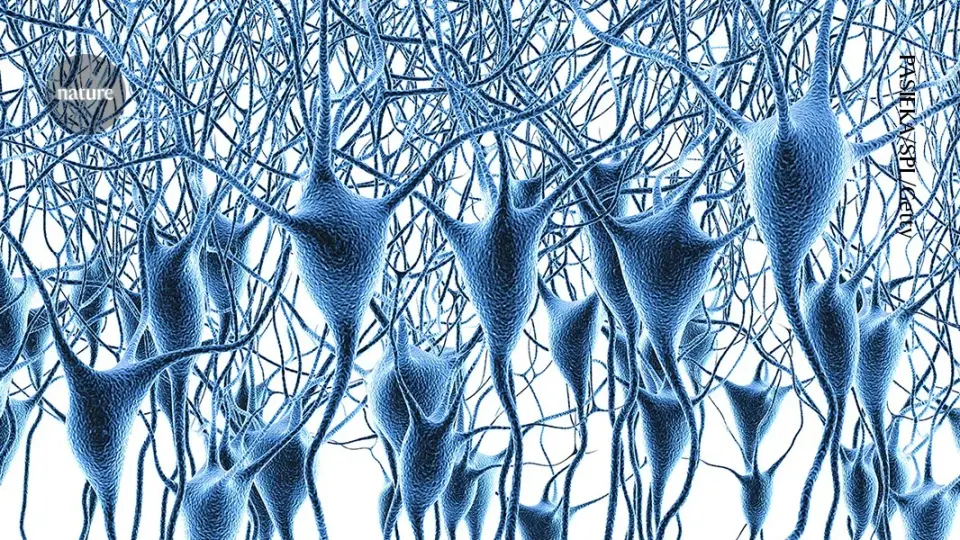
Researchers have created the most comprehensive map of gene activity in the human prefrontal cortex, utilizing data from nearly 1,500 donors. This landmark atlas, which tracks gene expression from infancy to old age, provides critical insights into the biological mechanisms underlying neurodegenerative and psychiatric disorders, potentially accelerating the development of targeted therapies for conditions like Alzheimer's disease and schizophrenia.
Key points
- The new atlas is the largest to date, analyzing gene expression in the prefrontal cortex, a brain region responsible for planning, decision-making, and emotional regulation.
- The study utilized sequencing data from over six million individual cells sourced from almost 1,500 donors of varying ages, ranging from infants to centenarians.
- By capturing gene activity across the entire lifespan, the atlas offers unprecedented detail on how brain function changes with age and how it relates to the onset of disease.
- The findings aim to provide a foundational resource for understanding the molecular basis of neurodegenerative and psychiatric conditions, such as Alzheimer's disease and schizophrenia.
- The research was published in Nature and represents a significant advancement in the field of brain mapping, offering a new standard for studying brain aging and disease progression.
Background
This development follows recent scientific efforts to understand the biological underpinnings of cognitive decline. Previous research, such as the analysis of lithium levels in the prefrontal cortex, has highlighted the importance of this brain region in cognitive impairment. Additionally, studies on spatial navigation and physical activity have suggested that lifestyle factors influence brain health, but the new atlas provides a direct molecular view of these processes across a lifetime.
How outlets are covering it
Nature emphasizes the scale and comprehensiveness of the atlas, highlighting its potential to transform the study of brain aging and disease by providing a detailed map of gene activity across the lifespan. The Independent focuses on the practical implications of the research, specifically how the map sheds light on the biological mechanisms of Alzheimer's disease and schizophrenia, suggesting that this resource could lead to new treatments or preventive strategies for these conditions. Both outlets agree on the significance of the atlas but differ in their emphasis, with Nature focusing on the data's breadth and The Independent on its clinical applications.
Why it matters
This atlas provides a foundational resource for neuroscience, allowing researchers to study the molecular changes in the brain that occur with age and disease. By understanding how gene activity in the prefrontal cortex evolves from infancy to old age, scientists can identify potential biomarkers for early detection of neurodegenerative and psychiatric disorders. This could lead to the development of more targeted therapies and preventive measures, ultimately improving outcomes for patients with conditions like Alzheimer's disease and schizophrenia.
What to watch
Researchers will likely use this atlas to identify specific gene expression patterns associated with the onset of neurodegenerative and psychiatric disorders. This could lead to the development of new biomarkers for early detection and the identification of potential drug targets. Additionally, the atlas may be used to study the effects of lifestyle factors, such as physical activity and spatial navigation, on gene expression in the prefrontal cortex, providing further insights into how these factors influence brain health.
- Landmark map of human brain’s gene activity holds clues to Alzheimer’s disease and more Nature
- Single-cell atlas of transcriptomic vulnerability across brain disorders Nature
- Large-scale studies create one of the world's most comprehensive single-cell atlases of human brain disease Medical Xpress
- Scientists map gene activity in brain's prefrontal cortex reuters.com
- Scientists map gene activity in brain’s prefrontal cortex shedding light on Alzheimer’s, schizophrenia The Independent
Want the full story? Read the original reporting
Read on Nature