
Aedes amateuri Confirmed in US Mountains, Raising Invasive Species Concerns
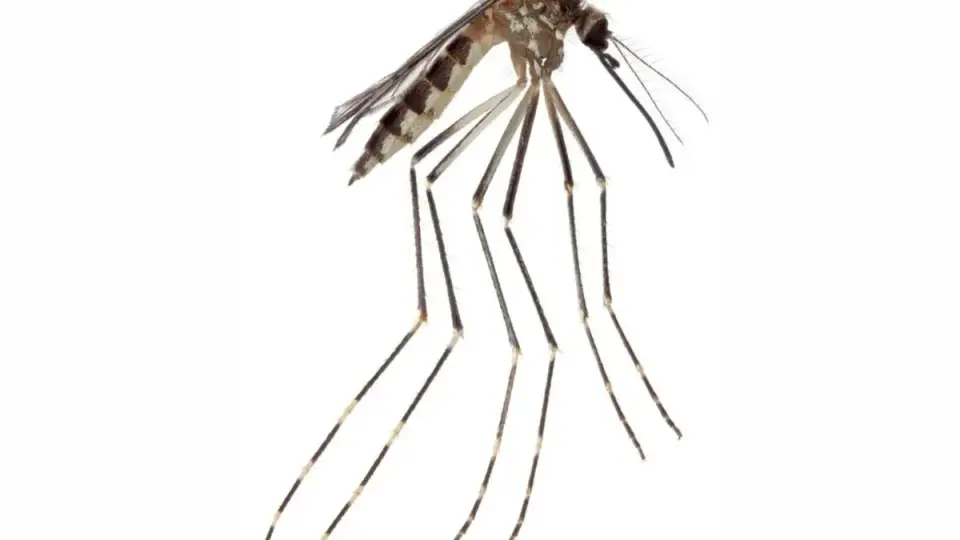
University of Florida researchers confirmed the first US presence of Aedes amateuri, a mosquito species previously known only from Mexico. Found in Arizona's Sky Islands, the insect may be spreading toward New Mexico. While it poses low immediate disease risk, experts warn it highlights a rising trend of invasive mosquito introductions.
Key points
- Aedes amateuri was first discovered in 2019 and was previously documented only in northeastern Mexico.
- Researchers confirmed 20 specimens in Arizona's Santa Rita and Dragoon Mountains using morphological and genetic evidence.
- The species was found near the New Mexico border in the Peloncillo Mountains, suggesting potential northward expansion.
- The mosquito bites humans but has not been linked to pathogen transmission or populated areas.
- Findings were published in the Journal of Medical Entomology, emphasizing the need for continued surveillance.
Background
This discovery follows earlier reports in September 2026 regarding the initial detection of Aedes amateuri in the US. It also aligns with global concerns about invasive species, such as the stalled Gulf fleet potentially triggering marine bio-invasions and the first breeding of invasive Aedes aegypti in London. These events highlight how climate change and global connectivity facilitate the spread of nonnative organisms.
How outlets are covering it
Gizmodo and The Boca Raton Tribune emphasize the novelty of the discovery and the uncertainty surrounding the mosquito's range, noting that populations may have existed in Arizona for some time. The Independent focuses on the lack of biological knowledge regarding the species. All sources agree that while Aedes amateuri is unlikely to transmit diseases like dengue or Zika, its presence signals a broader trend of invasive mosquito introductions in the US, driven by climate change and increased global movement of people and goods.
Why it matters
The detection of Aedes amateuri underscores the importance of monitoring nonnative mosquito species. While this specific species poses minimal public health risk, its presence indicates that other potentially dangerous vectors may be entering the US. Enhanced surveillance is critical to prevent the establishment of species that could transmit serious pathogens.
What to watch
Researchers will continue to monitor the range of Aedes amateuri to determine if it is expanding into New Mexico and other regions. Further studies are needed to assess its biology, habitat preferences, and potential interactions with local ecosystems. Public health authorities will maintain surveillance to detect other invasive mosquito species that may pose greater disease risks.
Want the full story? Read the original reporting
Read on Gizmodo