
New Study Suggests Female Bonobos Are Primary Hunters, Challenging Human Evolution Narratives
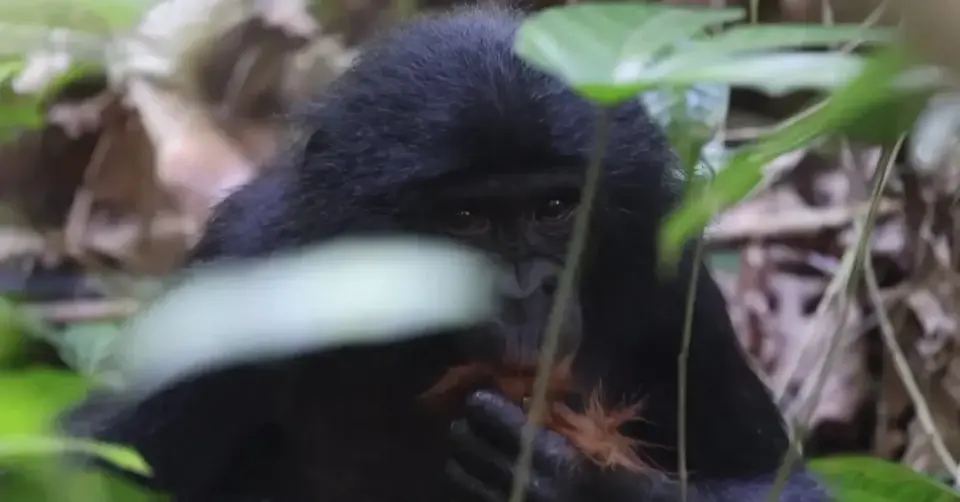
A new study in Current Biology indicates that female bonobos, previously viewed as nonaggressive vegetarians, are the primary hunters in their groups. This finding contradicts the 'man the hunter' hypothesis and suggests that early human societies may have had different gender roles in food acquisition than previously assumed.
Key points
- Research published in Current Biology reveals that female bonobos are the primary hunters in their social groups.
- Bonobos are as closely related to humans as chimpanzees are, making their behavior relevant to understanding human origins.
- The findings challenge the traditional view that bonobos are nonaggressive and largely vegetarian.
- The discovery may alter scientific understanding of how early human societies organized hunting and food sharing.
- The study was conducted in the Congo Basin, specifically referencing Sangola National Park.
Background
Bonobos have historically been characterized by their matriarchal societies, strong female friendships, and nonaggressive nature, which contrasted sharply with the aggressive hunting behaviors of chimpanzees and humans. This new evidence disrupts that long-held distinction, suggesting that the behavioral divide between bonobos and other apes may be less clear-cut than previously thought.
Why it matters
Understanding the hunting roles of bonobos provides critical insights into the evolutionary pathways of human societies. If female bonobos are indeed the primary hunters, it implies that early human ancestors may have had more complex or different gender dynamics in resource acquisition than the 'man the hunter' model suggests, potentially reshaping theories about the origins of human social structures.
What to watch
Further research will likely be needed to confirm these findings and explore how bonobo hunting behaviors compare to those of other great apes. Scientists may also investigate the implications of this discovery for understanding the evolution of human gender roles and social organization.
Want the full story? Read the original reporting
Read on The New York Times