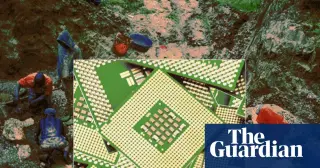
Deforestation and artisanal mining in the Congo Basin are reshaping Ebola’s ecology—bats lose habitat and come into closer contact with humans as forests shrink to mine minerals for smartphones—helping explain the scale of outbreaks like the current one and the 2014 epidemic, and highlighting the role of ecosystem health in pandemic risk.
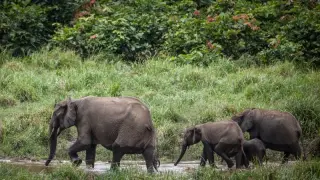
In the Congo Basin, African forest elephants disperse ebony seeds via their dung; a UCLA-led study found regions without elephants have 68% fewer ebony saplings, linking elephant decline to ebony’s survival. The Ebony Project—backed by Taylor Guitars and involving Indigenous Baka communities—has planted tens of thousands of ebony and fruit trees and aims to reach about a million ebony trees in 10 years, blending wildlife conservation with sustainable livelihoods to protect a wood long prized for guitar fretboards.
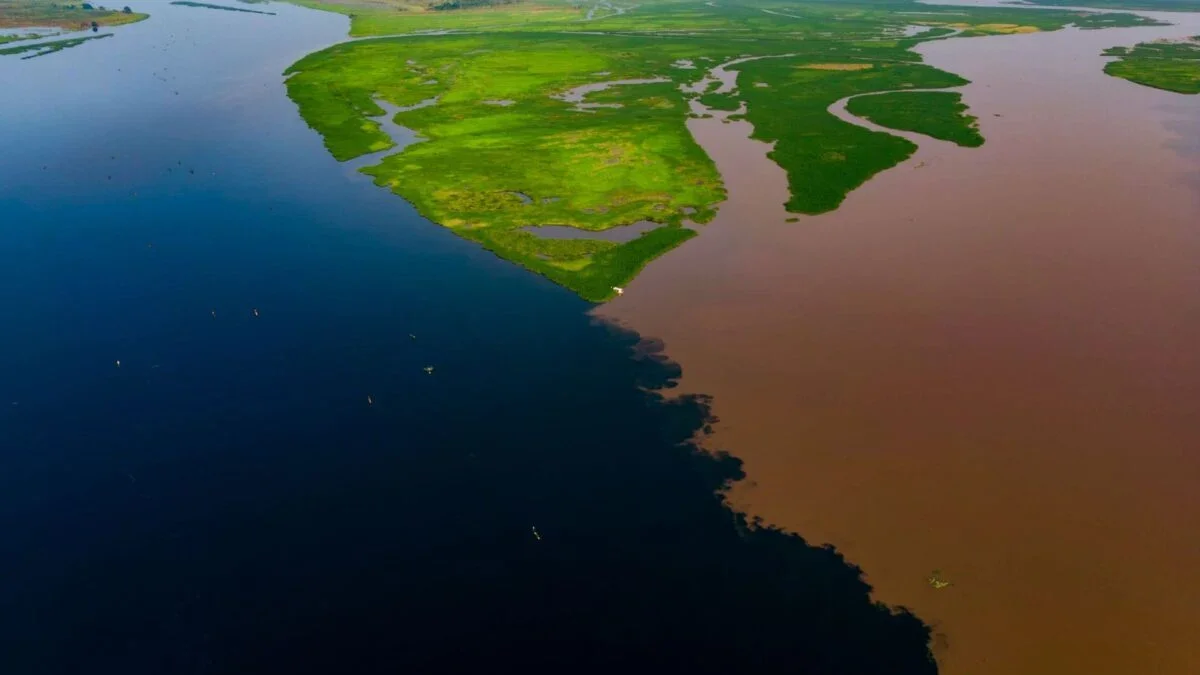
A Nature Geoscience study finds two Congo Basin lakes, Mai Ndombe and Lac Tumba, releasing carbon from ancient peat, challenging the idea that the region is a strict carbon sink. About 39–40% of the lakes’ carbon comes from peat, with Mai Ndombe potentially emitting more than 150 gigatons of ancient carbon annually. Microbial activity may convert peat carbon to methane that then becomes CO2, and warming or land-use changes could accelerate release. The basin’s peatlands cover only about 0.3% of Earth's land surface but hold roughly 30 billion tonnes of carbon—one-third of tropical peatland carbon—raising concerns about a climate feedback loop unless the carbon budget can be better constrained; researchers plan further work to understand mechanisms and the 12,000-year history of these emissions.