
New Viral Tools Allow Scientists to Physically Rewire Brain Circuits in Mice
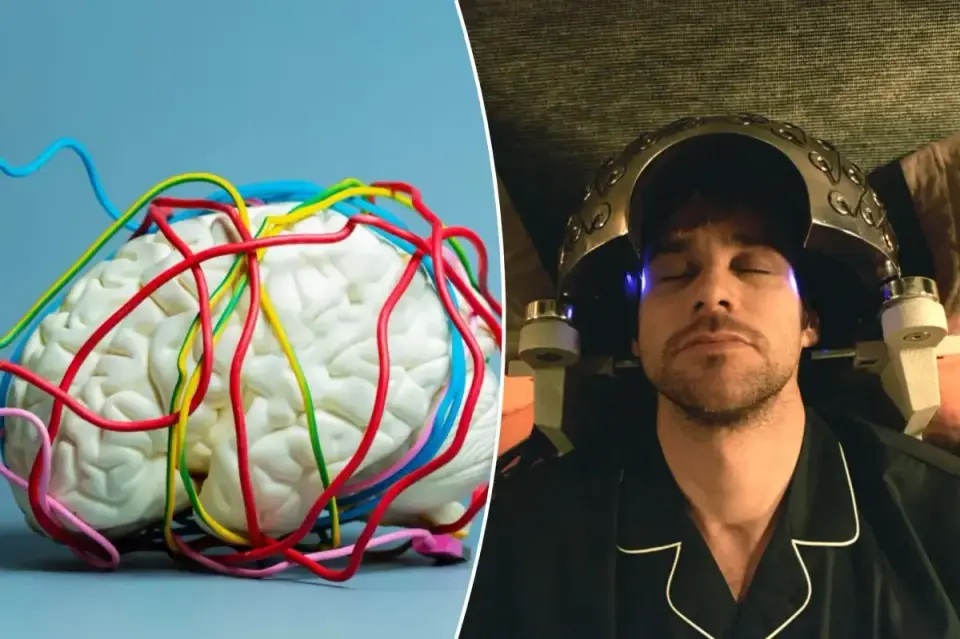
Researchers are developing new methods to physically alter brain connections using modified viruses and light. While these techniques show promise for treating depression and PTSD, they raise significant ethical and safety concerns regarding memory manipulation and reversibility.
Key points
- South Korean scientists used a tool called SynTrogo to remove 30% of connections in mouse memory centers, resulting in stronger recall of traumatic shocks.
- Duke University researchers are developing 'LinCx,' a technique that adds new neural connections to bypass faulty circuits, similar to heart bypass surgery.
- Yale researchers demonstrated that changing a single connection in worms could override learned behaviors, such as temperature preference.
- Experts warn that current tools cannot selectively target specific traumatic memories and lack reliable methods to reverse changes if errors occur.
- The 2026 Nobel Prize in Medicine recognized the foundational work of optogenetics, which uses light to control nerve cell activity.
Background
Recent studies have explored how substances like psilocybin and even cold sore viruses can alter brain plasticity and immune responses. However, the current focus is on precise, engineered interventions rather than broad pharmacological effects. This follows a period of reduced federal funding for US researchers, pushing many to seek international collaborations.
Why it matters
These advancements could lead to permanent cures for mental health disorders by fixing underlying circuit dysfunctions rather than just suppressing symptoms. However, the inability to safely undo changes or target specific memories poses serious risks to patient autonomy and identity.
What to watch
Researchers must solve issues of reversibility and specificity before human trials. Duke University is currently testing if new connections can reverse established behaviors in mice, while others work on ensuring long-term safety and preventing unintended neural connections.
Want the full story? Read the original reporting
Read on New York Post