
Orexin Neurons Act as a Necessary Gate for Sustained Effort, Not an Accelerator
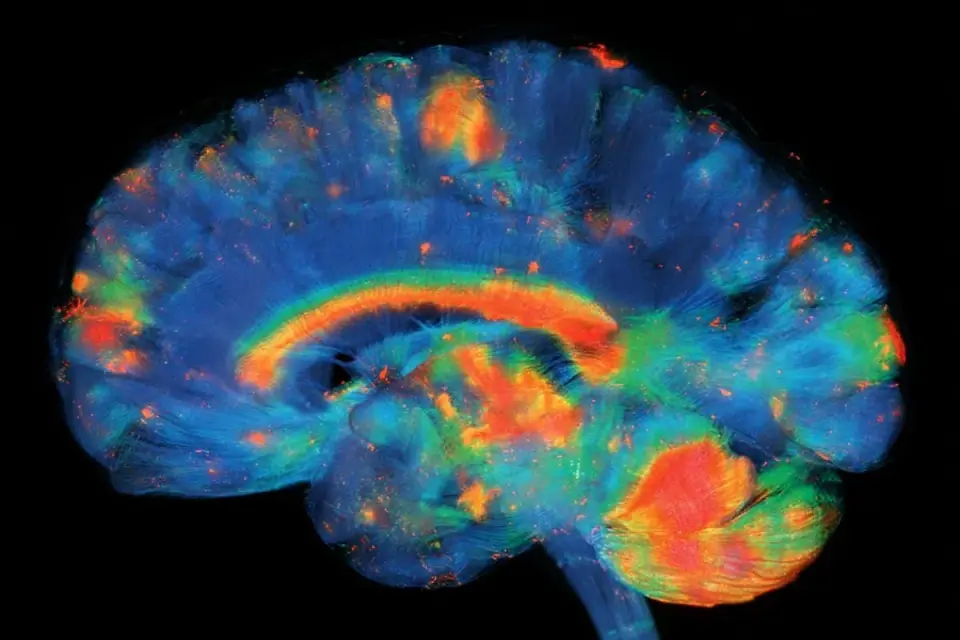
A Nagoya University study identifies orexin neurons as essential for sustaining goal-directed effort. While suppressing these neurons impairs motivation, artificially boosting them does not increase it, suggesting they act as a necessary gate rather than a direct accelerator.
Key points
- Orexin neuron activity scales dynamically with the effort required to obtain a reward, peaking during anticipation and remaining elevated if rewards are missed.
- Chemogenetic activation of orexin neurons increased the 'breakpoint' (effort threshold) in rats, while their degeneration sharply reduced motivation.
- Optogenetic suppression of orexin neurons at reward anticipation impaired task performance, but artificial excitation beyond natural levels failed to enhance motivation further.
- Researchers developed a novel 'orexin-Cre' rat model to overcome technical hurdles in targeting specific neurons in rodents, enabling precise manipulation and recording.
- The findings suggest orexin neurons are necessary for motivated behavior but operate under physiological constraints, potentially offering therapeutic targets for apathy in depression and ADHD.
Background
This research builds on prior understanding that orexin neurons regulate sleep, appetite, and energy expenditure. While previous studies hinted at their role in motivation, the specific mechanisms linking reward prediction to sustained effort remained unclear. The current study addresses this gap by providing causal evidence in a rodent model, moving beyond correlational observations to establish a functional role in goal-directed behavior.
How outlets are covering it
Neuroscience News and Bioengineer.org emphasize the technical novelty of the 'orexin-Cre' rat model and the asymmetric functional gating, highlighting that orexin neurons are necessary but not sufficient for increased motivation. News-Medical focuses on the clinical implications for disorders like depression and addiction. Innovators Magazine offers a broader interpretation, framing motivation as a dynamic process of weighing effort against expectation rather than a fixed trait, and notes the relevance to education and work performance. All sources agree on the core finding that orexin activity encodes reward prediction and effort cost, but they differ in emphasis: scientific outlets stress the methodological breakthroughs, while general interest outlets focus on the conceptual shift in understanding persistence.
Why it matters
Understanding the neural basis of sustained effort could lead to targeted therapies for motivational deficits in clinical depression, ADHD, and substance use disorders. By identifying orexin neurons as a critical link between reward expectation and action, researchers may develop interventions that restore the ability to persist through difficult tasks, addressing a core symptom of several psychiatric conditions.
What to watch
Future research will map the input and output circuits connected to orexin neurons to understand what governs the asymmetric response. Scientists aim to determine if specific firing patterns or downstream circuits are required to boost motivation beyond natural levels, potentially leading to new treatments for apathy and avolition.
- Neural Mechanism Behind Goal-Directed Behavior Revealed Neuroscience News
- Study uncovers brain mechanism that drives sustained motivation News-Medical
- Why we keep going when things get hard Innovators Magazine
- How the Brain Sustains Motivation Bioengineer.org
- Scientists Identify Brain Cells Driving Motivation miragenews.com
Want the full story? Read the original reporting
Read on Neuroscience News