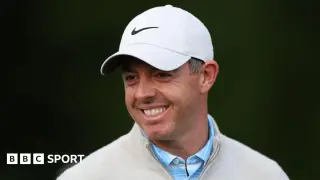
Rory McIlroy says he’s more motivated than ever as he returns to the PGA Tour after defending the Masters, aiming for a fifth career win at the Truist Championship at Quail Hollow and to add to his six majors, with a busy run of events including Aronimink, Shinnecock and The Open on the horizon.
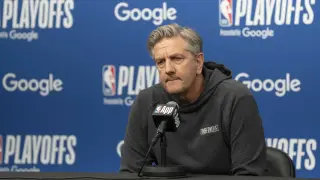
The Minnesota Timberwolves defeated the Denver Nuggets 110-98 in Game 6 to win the first‑round series despite missing Anthony Edwards, Donte DiVincenzo and Ayo Dosunmu. Coach Chris Finch said Minnesota used Denver’s decision to “choose us” as bulletin-board material, fueling their focus from preparation through the series. Nuggets star Nikola Jokic and others downplayed the idea that Denver sought out Minnesota as a matchup, with Cam Johnson joking that they were simply trying to win. The win advances Minnesota to the Western Conference semifinals to face Victor Wembanyama and the Spurs.
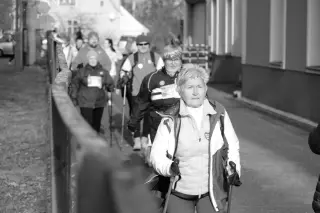
New research suggests longevity in activity during the 60s and 70s comes less from genetics or strict routines and more from movement that people choose for personal, daily-life reasons. Self-directed motivation helps exercise stick, and regular activity is linked to better autonomy, functional ability, perceived health, and social connections—shifting the goal from appearances to maintaining independence and confidence in everyday tasks.
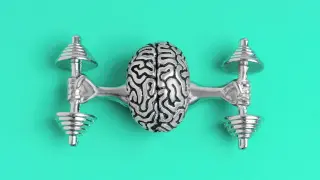
A CNN Health piece explains that dopamine fuels pleasure, reward and motivation, and that the brain responds more strongly to rewards when you have to work for them; constant dopamine hits from easy sources like social media, ultraprocessed foods, and binge TV can dull your baseline happiness and fuel addictive patterns. The science suggests paying off dopamine upfront through effortful activities—like exercise, learning a new skill, or meeting a friend in person—since these produce longer-lasting boosts and involve feel-good hormones such as oxytocin, serotonin and endorphins. Start with small goals and gradually increase effort to build a sustainable cycle of motivation and reward.
After the Buccaneers drafted Rueben Bain 15th overall, Bain said his motivation comes from himself and he’ll play with an edge regardless of draft status, aiming to be the best on the field with no outside factors weighing in; GM Jason Licht called the pick a pleasant surprise and expects Bain’s college production to translate to the NFL.
Buffalo Bills quarterback Josh Allen says his surgically repaired foot is healthy and that becoming a father has sparked a mindset shift, making him believe 2026 could be the best version of himself both on the field and in his personal life as he pursues a Super Bowl for his family.
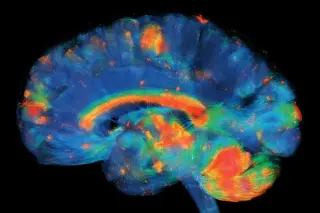
Some Ozempic users report an “Ozempic Personality” marked by emotional flattening and reduced motivation for activities they once enjoyed (romance, exercise, music, socializing), a change researchers think may be linked to GLP-1 meds’ influence on dopamine. Dr. Drew frames this as a motivational shift rather than a true personality change and cautions that while there can be benefits, there are serious potential risks with Ozempic and similar drugs that require careful prescribing and monitoring.
Max Verstappen signals waning motivation amid frustration with Red Bull’s 2026 F1 package and a driving experience he calls anti-driving, driven by machine-learning torque management. Red Bull says the focus is on closing the performance gap and improving the chassis/PU, with potential in-season upgrades via the ADUO framework and a break before Miami to push progress. The driver privately remains happy but questions whether the sport remains enjoyable, as the team works to rekindle his enthusiasm by delivering a faster car.
Max Verstappen says the sport’s battery-led rule era is draining his enjoyment and could put his Formula 1 future in doubt, describing the cars as “anti-racing” and “Formula E on steroids.” His father Jos warned he might lose motivation if the direction doesn’t change and urged major rule reforms next season; Max has even hinted he could walk away before his 2028 Red Bull contract if the situation doesn’t improve.
Americans want longer, healthier lives, but the US lags in healthspan due to lifestyle gaps; the piece argues for a deeper integration of social sciences—emotional motivation, relationships, and intrinsic goals—into medical practice and policy to spur lasting healthy behaviors, rather than relying on tech or drugs alone, drawing on long-running studies like Harvard to support this approach.
GLP-1 weight‑loss medications are surging in use, with users commonly reporting fatigue and nausea, but clinicians are noting a striking side effect: extreme apathy or a “flat” emotional state that isn’t classic depression. Experts say it may involve dopamine and motivation pathways, making the net impact nuanced and highly dependent on individual circumstances as more people start these therapies.
UNC coach Hubert Davis showed his team a viral NFL clip of Drake Maye and Josh McDaniels, using the moment to stress that “it’s hard” to win, practice, and perform. The message aims to sustain UNC’s momentum after back-to-back road wins, ahead of an upcoming road game at Georgia Tech.
A Hungarian study of 890 adults finds that why people use pornography—positive reasons like pleasure, exploration, or intimacy versus negative ones like stress relief or emotional escape—predicts sexual and emotional functioning better than how often they use it. Frequent use with positive motivations linked to adaptive regulation and less sexual withdrawal, while problematic use (not just frequency) correlates with poorer outcomes. The researchers note limitations such as self-report data and overlapping motivations, and advise evaluating distress or loss of control over use rather than frequency alone.
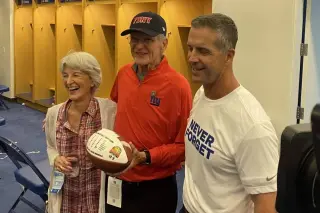
Denver coach Sean Payton said his year away from coaching gave him perspective on the NFL’s high-stakes moments and told his players that retirement can be overrated; his core message—‘not today’—is to pursue purpose and seize the moment on game day, a theme he’s using to motivate the Broncos as they push through the season.
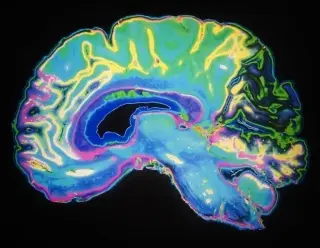
New study in monkeys identifies a ventral striatum–ventral pallidum circuit that suppresses action when a task promises discomfort, and shows that temporarily disrupting this pathway with a drug restores motivation, offering insight into procrastination and implications for mental health while underscoring the circuit's protective role against burnout.