
Rat Rescue Study Revisited: Chocolate, Empathy, and the Debate Over Social Motivation
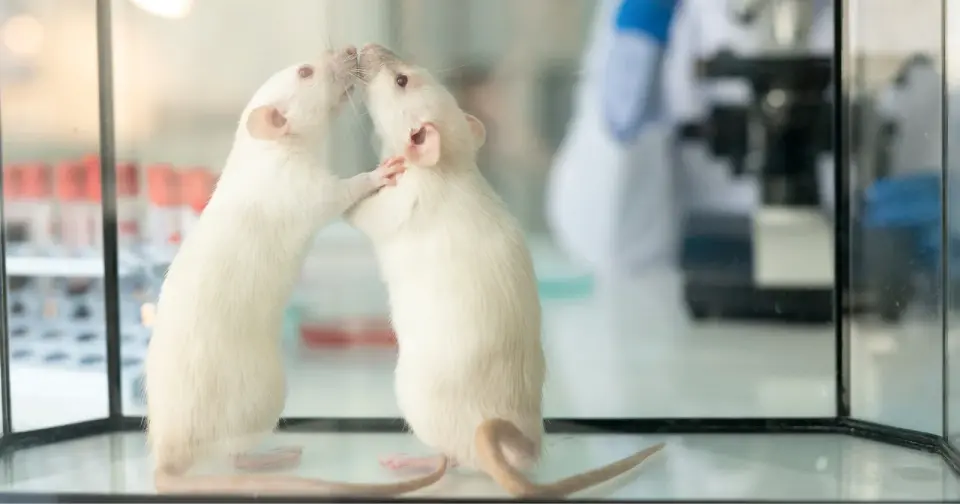
A 2011 study showed rats would open doors to free trapped cagemates, even when chocolate was available, but new research suggests this behavior may stem from a desire for social contact rather than empathy, with results varying by sex and prior social experience.
Key points
- In 2011, researchers at the University of Chicago found that 23 of 30 rats learned to open a tube to free a trapped cagemate within an average of 6.9 days.
- When given a choice between freeing a cagemate and accessing chocolate, rats opened both at similar speeds but ate fewer chocolate chips (3.5 out of 5) than they did alone (4.8).
- All six female rats in the study became door-openers, compared to 17 of 24 males, with females opening doors faster from day seven onward.
- A 2014 study by Alan Silberberg and colleagues argued that rats were motivated by a desire for social contact rather than empathy, noting that rats would not learn the behavior if the setup was presented first.
- A 2014 eLife paper by the original team found that rats were more likely to help strangers of their own strain, and that two weeks of cohabitation could shift this preference to other strains.
Background
The original 2011 study by Inbal Ben-Ami Bartal, Jean Decety, and Peggy Mason was published in Science and has been widely cited as evidence of empathy in rats. However, subsequent studies have challenged this interpretation, suggesting that the behavior may be driven by other factors such as curiosity, alarm calls, or a desire for social contact. The debate remains unresolved, with different experimental designs yielding conflicting results.
Why it matters
Understanding the motivations behind rat behavior has implications for our understanding of empathy and social behavior in humans. The debate over whether rats are driven by empathy or social contact highlights the complexity of animal behavior and the need for careful experimental design. The findings also suggest that social experience can shape behavior, with implications for how we understand the development of empathy in humans and other animals.
What to watch
Further research is needed to determine the exact motivations behind rat behavior in these experiments. Future studies may focus on the role of social experience, the impact of sex differences, and the use of more sophisticated experimental designs to rule out alternative explanations. The debate over empathy in rats is likely to continue as new studies are published and the field evolves.
Want the full story? Read the original reporting
Read on Space Daily