
Stanford Study Reveals Human Brain Evolved from Two Distinct Neural Systems
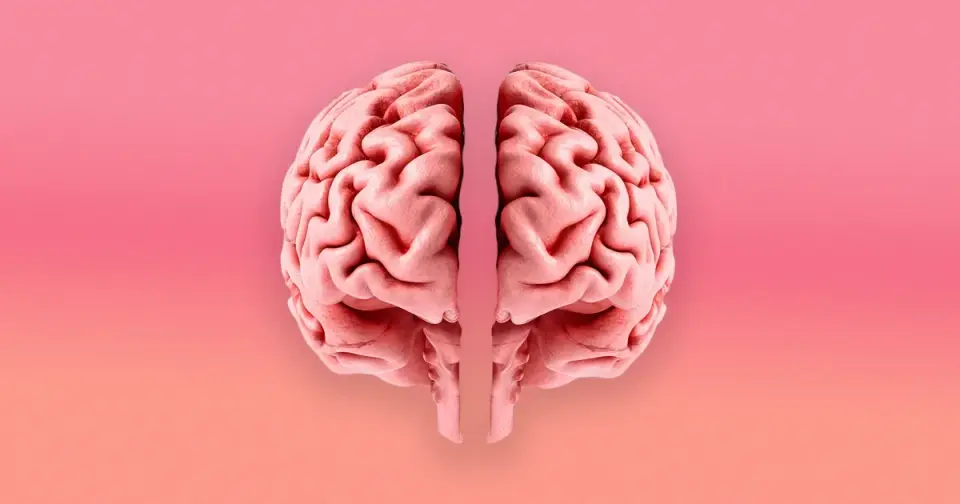
A new study led by Stanford University researchers, published in Nature Neuroscience on September 18, 2026, challenges the traditional view that the human brain develops from a single progenitor cell. Instead, the research demonstrates that the forebrain and hindbrain originate from two distinct, parallel neural progenitor cells during embryonic gastrulation. This finding explains why scientists previously failed to grow hindbrain neurons in labs and opens new avenues for studying neurodegenerative diseases like ALS and spinal muscular atrophy (SMA). The dual-origin structure appears evolutionarily conserved, tracing back at least 550 million years to ancestors like acorn worms.
Key points
- Stanford researchers identified two separate brain progenitor cells during mouse embryonic gastrulation: one expressing the Otx2 gene for the forebrain/midbrain, and another expressing the Gbx2 gene for the hindbrain.
- The two cell populations have fundamentally different chromatin configurations, locking them into separate developmental fates and preventing the conversion of forebrain cells into hindbrain cells.
- Using this knowledge, the team successfully generated human hindbrain motor neurons from pluripotent stem cells for the first time, a breakthrough that was previously impossible.
- The dual-origin pattern was observed in chickens, zebrafish, and acorn worms, suggesting evolutionary conservation over 550 million years, while jellyfish retain two separate nervous systems.
- The discovery provides a new model for studying brainstem diseases like ALS and SMA, which affect hindbrain neurons, and may inform research into obesity treatments that target hunger circuits in the hindbrain.
Background
This finding builds on recent Stanford research into human brain tissue grafts in mice, which aimed to model neurodevelopmental disorders. While previous studies focused on cortical organoids, this new work addresses the hindbrain, a region critical for vital functions but difficult to study in vitro. The discovery resolves a long-standing challenge in stem cell biology, where scientists struggled to generate hindbrain neurons because they were attempting to derive them from forebrain/midbrain progenitors, which the new study shows is biologically impossible.
How outlets are covering it
Futurism and Smithsonian Magazine emphasize the evolutionary implications, suggesting that two ancient neural systems were 'pushed together' by evolution, potentially allowing the forebrain to evolve complex functions like creativity without compromising vital hindbrain functions. Stanford Medicine highlights the clinical applications, noting that the ability to grow hindbrain neurons in a dish will accelerate research into ALS and SMA, and even connects to obesity treatments like semaglutide, which target hunger circuits in the hindbrain. However, not all experts agree; Alex Pollen of UC San Francisco argues it is difficult to prove the two cell populations do not originate from a single short-lived progenitor, while Cecilia Moens of Fred Hutchinson Cancer Center notes that cells can sometimes swap fates, suggesting the developmental paths may not be as rigid as the study implies.
Why it matters
This research overturns a century-old assumption about brain development and provides a crucial new tool for studying neurodegenerative diseases that affect the brainstem. By enabling the growth of hindbrain neurons in the lab, scientists can now investigate the mechanisms of ALS and SMA, which were previously impossible to study in vitro due to the inability to generate these specific cell types. This could lead to new regenerative therapies and a better understanding of how the brain's two distinct origins contribute to human complexity and vulnerability to disease.
What to watch
The researchers plan to extend their studies to determine the developmental origins of the spinal cord and to investigate exactly how SMA and ALS compromise the function of hindbrain neurons. They aim to use the new lab-grown hindbrain neurons to develop regenerative therapies for these devastating diseases. Additionally, the findings may inform research into obesity treatments, as the hindbrain contains circuits that regulate hunger, which is the target of weight-loss drugs like semaglutide.
- Stanford Scientists Find That the Human Brain Is Actually Two Separate Organs futurism.com
- Human brain is two separate organs, Stanford Medicine-led research finds Stanford Medicine
- Two parallel neural ectoderm progenitors contribute to the developing brain Nature
- Scientists Say the Human Brain Might Be Made of Two Distinct Nervous Systems That Got Squished Together Smithsonian Magazine
- Contrary to some reports, you don’t have two brains Ars Technica
Want the full story? Read the original reporting
Read on futurism.com