
New Study: Sugar, Not Just Meat, Fueled Human Brain Evolution
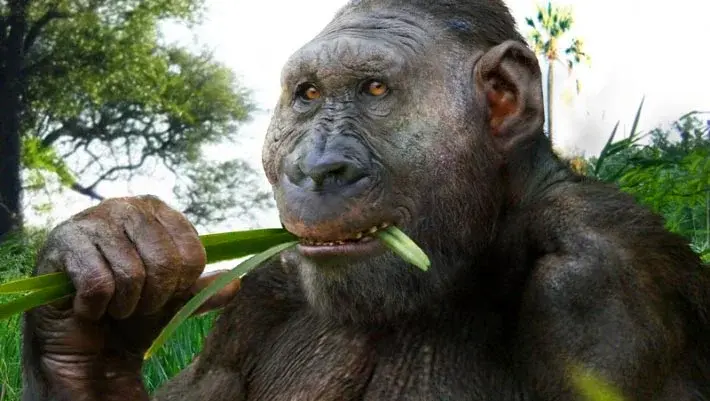
A new study published in Science argues that dietary sugars, rather than meat, were the primary fuel for the expansion of the human brain over the last 4 million years. Researchers from the University of Sydney and University of Glasgow calculated that early hominins relied heavily on fruit and honey to meet the high glucose demands of their growing brains, challenging the long-held 'meat hypothesis' of human evolution.
Key points
- Brain size increased fivefold from 300g to 1,500g over 4 million years, requiring significant energy.
- The brain consumes 20% of resting energy in adults and up to 66% in young children, primarily using glucose.
- Early hominins derived over 65% of their energy from sugars in fruit and honey before the mastery of fire.
- Adult glucose needs ranged from 150 to 250 grams daily, depending on sex and reproductive status.
- The study suggests that carbohydrate availability, not just meat, shaped foraging behaviors and survival.
Background
Previous research, including a June 2026 study, emphasized meat consumption and body size increases as key drivers of human evolution. Another July 2026 study linked early-life sugar restriction to lower dementia risk, highlighting the long-term impact of sugar on brain health. A separate July 2026 analysis suggested that human brain evolution was driven by episodic cultural and environmental shifts rather than a linear path, adding complexity to the narrative of dietary influences.
How outlets are covering it
While Sci.News and The Conversation emphasize the critical role of sugars in fueling brain growth, Science News highlights the parallel importance of meat, noting that Brand-Miller views animal foods and sugars as complementary rather than exclusive. Nautilus focuses on the modern implications, suggesting that the study challenges the paleo diet's low-carbohydrate approach. University of Oxford archaeologist Julie Lee-Thorp agrees that meat-centric views may stem from modern biases, while UCLA anthropologist Brian Wood argues that evolutionary anthropology has always recognized diverse food sources, not just meat.
Why it matters
This research reshapes our understanding of human evolution by highlighting the role of carbohydrates in brain development. It also has implications for modern diet, suggesting that high-quality carbohydrates, such as whole fruits and legumes, are essential for brain health and should not be feared. The findings may influence nutritional guidelines and public health strategies, emphasizing the importance of balanced diets in preventing diet-related diseases.
What to watch
Further research may explore the genetic adaptations tied to sugar metabolism and taste, as well as the impact of seasonal carbohydrate availability on hominin survival. The study may also prompt a reevaluation of modern dietary recommendations, focusing on the role of carbohydrates in brain health and disease prevention.
- Study Points to Sugar, Not Just Meat, as Fuel for Human Brain Evolution Sci.News
- Sugar may have been a key ingredient in human evolution Science News
- Early Humans Likely Ate Carbs and Sugary Foods History.com
- Fruit and honey fuelled the early evolution of the human brain The Conversation
- Your Big Brain Wouldn’t Be Possible Without Sugar Nautilus | Science
Want the full story? Read the original reporting
Read on Sci.News