
New Hypothesis Links Female Reproduction to Longevity via Ovarial Signaling
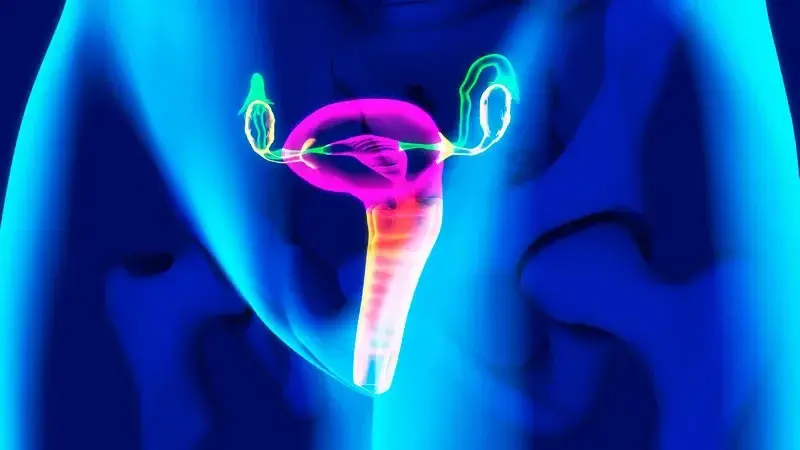
A new 'reproductive resilience hypothesis' published in Cell suggests that female reproductive tissues actively drive systemic body maintenance, challenging the view that reproduction accelerates aging. Researchers argue that natural selection favors longevity in females to ensure offspring survival, with the ovary acting as a central regulator of health across all tissues. Clinical trials are now testing whether drugs like rapamycin can slow ovarian aging to extend health span.
Key points
- The 'reproductive resilience hypothesis' posits that reproduction and longevity are not opposing forces; instead, reproductive tissues drive systemic resilience and body repair.
- Pankaj Kapahi of the Buck Institute argues that females live longer because natural selection favors mechanisms that couple reproductive success with somatic maintenance to ensure offspring survival.
- The ovary is identified as a primary driver of aging, beginning its decline 10-15 years before menopause and influencing health across all body tissues through extensive signaling.
- Preclinical studies in mice show that rapamycin can slow ovarian aging, with human clinical trials expected soon to test if delaying menopause can extend health span.
- Yousin Suh of Columbia University notes that genetic factors for later menopause benefit both women and their brothers, suggesting these mechanisms could improve health outcomes for men as well.
- Clinicians are urged to collect detailed reproductive histories, including puberty onset, pregnancy timing, and number of children, to better tailor medical management for women.
Background
This development follows earlier discussions on how biological factors influence health outcomes, though no specific prior coverage on longevity or reproductive biology exists in the archive. The current focus shifts from traditional views of reproduction as a resource drain to a model where it enhances systemic resilience.
Why it matters
This hypothesis reframes aging research by centering female biology, potentially leading to new treatments for age-related diseases. It also suggests that delaying pregnancy may have long-term health benefits, influencing family planning decisions and clinical practices for women across different life stages.
What to watch
Human clinical trials for rapamycin’s effect on menopause are expected soon. Researchers are also pushing for broader adoption of detailed reproductive history collection in clinical settings to improve personalized medicine for women.
Want the full story? Read the original reporting
Read on medscape.com