
Chernobyl Dogs Show Genetic Split Without Radiation-Driven Mutations
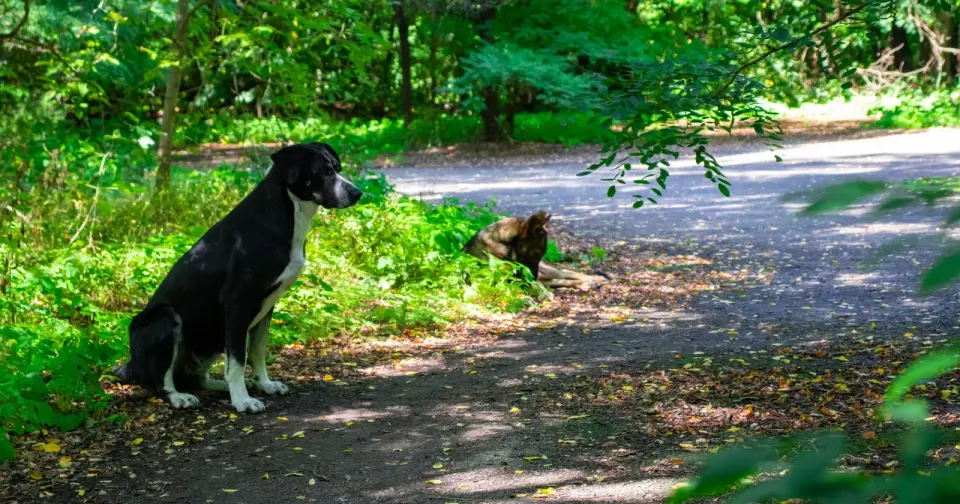
Researchers found that free-roaming dogs in the Chernobyl exclusion zone are genetically distinct despite living only 16 kilometres apart, but evidence suggests this split is not caused by increased radiation-induced mutations.
Key points
- A 2023 study in Science Advances analyzed the DNA of 302 free-roaming dogs at the Chernobyl power plant, Chornobyl City, and Slavutych, finding that the power plant and city populations are genetically distinct.
- A follow-up 2024 study in PLOS ONE, led by Megan Dillon and Matthew Breen, tested for increased mutation rates or chromosomal abnormalities to explain the genetic split but found no evidence supporting radiation as the primary driver.
- The researchers noted that the current dog populations are more than 30 generations removed from the 1986 evacuation, yet no detectable signature of radiation-driven survival advantages was found in the DNA.
- The Chornobyl City dogs were found to be genetically more similar to free-breeding dogs in Russia and Poland than to the power plant dogs, suggesting limited gene flow and historical selection pressures may explain the divergence.
- The definitive cause of the genetic split remains unresolved, with researchers citing population history, limited interbreeding, and initial selective pressures as potential factors rather than elevated mutation rates.
Background
Previous coverage in July 2026 highlighted that Chernobyl cleanup workers' children showed clusters of new mutations linked to paternal exposure, suggesting a transgenerational genetic signature. However, the current findings regarding the dogs indicate that while radiation exposure is a known factor in human genetic studies, it does not appear to drive the observed genetic differentiation in the local canine populations.
Why it matters
This study challenges the assumption that high radiation environments necessarily lead to increased mutation-driven genetic divergence in wildlife. It highlights the importance of distinguishing between correlation and causation in radiobiology and suggests that historical population dynamics and selective pressures may play a larger role in genetic differentiation than previously thought in post-disaster ecosystems.
What to watch
Researchers will continue to investigate the specific historical and selective factors that led to the genetic split between the dog populations. Further studies may explore the role of initial selective pressures and limited gene flow in shaping the genetic landscape of the Chernobyl exclusion zone.
Want the full story? Read the original reporting
Read on Space Daily