
Congo’s Bundibugyo Ebola Outbreak Hits 5,000 Cases, Outpacing Global Response Efforts
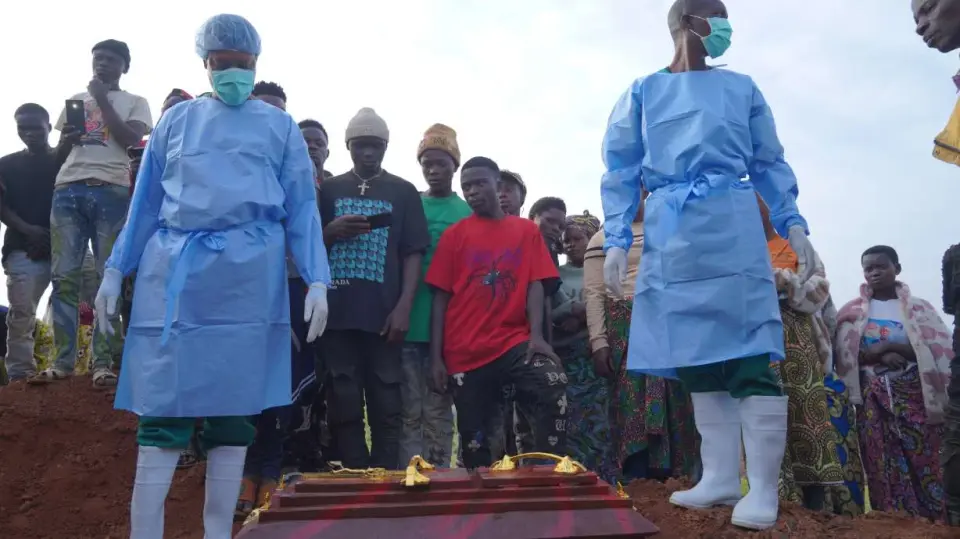
Congo’s Ebola outbreak has reached 5,021 cases and 2,378 deaths, spreading three times faster than the 2014-2016 West African crisis. The Bundibugyo virus, which lacks approved vaccines or treatments, is overwhelming response teams in remote Ituri province. WHO Director-General Tedros Adhanom Ghebreyesus warned that the epidemic is 'far from being under control,' with high risks of further national and international spread.
Key points
- Congo’s Ministry of Health reported 5,021 cases and 2,378 deaths as of Sunday, marking the fastest-spreading Ebola outbreak in history.
- The outbreak is driven by the Bundibugyo virus, for which there are currently no approved vaccines or specific treatments.
- WHO Director-General Tedros Adhanom Ghebreyesus stated the epidemic is 'far from being under control' and poses a high risk for further spread.
- The case fatality rate stands at 47.4% overall, but reaches 70% in North Kivu province due to limited access to care.
- Health workers in Ituri province have faced strikes due to unpaid wages and violence from local mobs, including an attack on a health team in Aru.
Background
This outbreak began in the mining town of Mongbwalu as early as February 2026, months before official declaration on May 15. Previous archive reports from August 2026 noted the outbreak had already surpassed 4,900 cases and 2,300 deaths, highlighting the rapid escalation. Unlike the 2014-2016 West African outbreak, this crisis is largely confined to eastern provinces near the Uganda border but has a higher fatality rate due to delayed care and lack of medical interventions.
Why it matters
The rapid spread of the Bundibugyo virus in remote, conflict-affected areas threatens global health security. The lack of approved vaccines and treatments, combined with community mistrust and violence against health workers, creates a high risk for international transmission. The WHO’s warning underscores the urgency for global support to prevent a wider pandemic.
What to watch
WHO and international aid organizations are scaling up funding and staff to improve surveillance and supportive care. Health authorities are focusing on community engagement to combat misinformation and encourage early reporting of symptoms. However, the lack of approved vaccines and ongoing security challenges in Ituri and North Kivu provinces remain critical barriers to containment.
Want the full story? Read the original reporting
Read on KSL.com