
Douglas Port Reopens to Mexican Cattle as Screwworm Protocols Take Effect
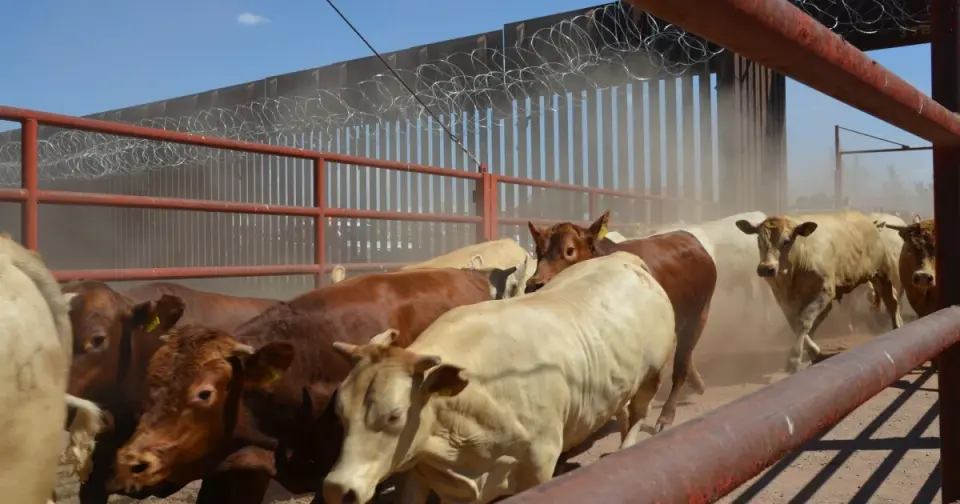
The U.S. and Mexico reopened the Douglas, Arizona, border crossing to cattle on Monday, ending a closure of over one year. Nearly 700 animals crossed under new inspection protocols designed to prevent the spread of the New World screwworm. While officials view this as a successful test for future ports, economists doubt it will significantly lower record-high beef prices in the near term.
Key points
- Approximately 700 cattle crossed from Mexico into Douglas, Arizona, on Monday, marking the first such movement in over a year.
- The reopening follows the confirmation of a New World screwworm case in Sonora, Mexico, but officials assert the animals are healthy and the risk is negligible.
- U.S. Agriculture Department officials implemented rigorous inspection protocols, including the use of specially trained screwworm-sniffing dogs.
- The U.S. cattle herd reached a 75-year low of 86.2 million head, contributing to a 57% rise in ground beef prices since 2021.
- President Trump announced a separate measure to allow 331,000 tons of tariff-free imported ground beef to address high prices, a move criticized by domestic ranchers.
Background
The border had been closed to cattle since May 2025 to contain the New World screwworm, a parasite that returned to southern Mexico in late 2024 and entered Texas in June 2026. Previous archive coverage noted that the USDA planned a phased reopening, starting with Arizona, due to stronger animal health programs in northern Mexican states. The closure exacerbated a domestic cattle shortage, with the U.S. herd shrinking for five years due to drought and low prices.
How outlets are covering it
KJZZ emphasizes the successful implementation of new inspection protocols, highlighting the use of screwworm-sniffing dogs and the assurance from Mexican officials that the cattle are healthy. WESH focuses on the economic impact, noting that while the administration aims to lower beef prices, economists like Derrell Peel doubt the reopening will have a measurable effect soon due to the phased nature of the process and the long time required to rebuild the herd. WESH also contrasts this move with President Trump's announcement of tariff-free ground beef imports, which drew backlash from U.S. ranchers. Meatingplace provides limited additional detail, primarily reinforcing the industry's focus on supply constraints and price volatility.
Why it matters
The reopening signals a shift in U.S. agricultural policy, prioritizing the restoration of trade with Mexico despite ongoing pest threats. It highlights the tension between public health safety and economic stability in the beef industry. While the immediate impact on consumer prices may be minimal, the success of these protocols could lead to the reopening of other border crossings, potentially stabilizing the supply chain for a sector facing record-low herd numbers and high costs.
What to watch
If the Douglas protocol proves successful, the USDA plans to reopen additional ports in New Mexico and Texas. However, the pace of reopening will depend on the continued absence of screwworm cases and the ability of Mexican ranchers to meet weight and timing requirements. Long-term beef price relief remains unlikely in the short term due to the slow biological cycle of cattle reproduction.
- U.S.-Mexico border reopens to cattle as New World screwworm ban lifts KJZZ
- Will Mexican cattle imports lower US beef prices? Economists weigh in WESH
- Peel: What to Expect from Mexican Cattle Imports Meatingplace
- U.S. reopens cattle border as screwworm fight continues in Texas San Antonio Express-News
- USDA to Reopen Two New Mexico Ports for Mexican Cattle Shipments in Phases Bloomberg
Want the full story? Read the original reporting
Read on KJZZ