
NOAA confirms 2026 as the hottest US summer in 132 years of record-keeping
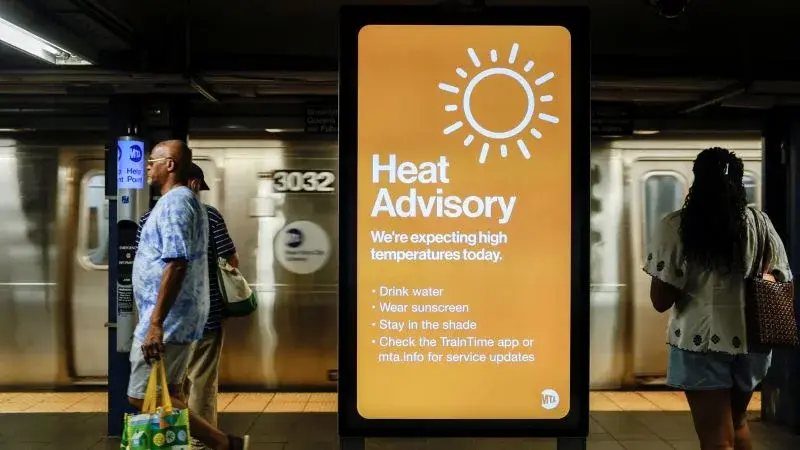
The United States experienced its warmest summer on record from June to August 2026, with average temperatures reaching 74.4 degrees Fahrenheit. This marks the first time in 132 years of NOAA data that a summer has broken the previous record set in 1936 and 2021. August alone was the hottest month on record, and drought conditions expanded to cover nearly 60 percent of the contiguous US by early September.
Key points
- NOAA reports the 2026 summer average temperature was 1.7 degrees Celsius above the 20th-century average.
- August 2026 recorded an average temperature of 75.6 degrees Fahrenheit, setting a new monthly record.
- Drought affected 59.1 percent of the contiguous US by September 1, up 10 percentage points from August.
- The World Meteorological Organization warns a strengthening El Nino could intensify heat and drought into 2027.
Background
This record follows a pattern of extreme heat in 2026, where July tied 2024 as the hottest month on record. Global warming trends, driven by fossil fuel emissions, have made such heat waves more frequent. Previous records for the US summer were set in 1936 during the Dust Bowl and in 2021. The current event is part of a broader global warming trend, with Europe also recording its hottest summers in 2026.
How outlets are covering it
NOAA and Al Jazeera emphasize the statistical record-breaking nature of the 2026 summer, highlighting the 132-year context and the specific temperature increases. CBS News focuses on the regional impacts, noting that while some areas like Indiana received record rainfall, others like Texas and Oklahoma faced severe drought and record-low precipitation. The New York Times editorial board frames the event within a broader narrative of climate inaction, criticizing the Trump administration for cutting disaster preparation funds and clean energy projects, while noting that heat index days have increased significantly in many counties over the past three decades.
Why it matters
The record-breaking heat and expanding drought signal a shift in baseline climate conditions for the United States. The potential intensification of El Nino into 2027 suggests that extreme weather events, including wildfires and flooding, may become more frequent and severe. This has immediate implications for public health, agriculture, and infrastructure, as well as long-term economic and political debates over climate adaptation and mitigation strategies.
What to watch
NOAA expects warmer-than-usual temperatures in September across much of the US. The World Meteorological Organization predicts the El Nino phenomenon could persist into early 2027, potentially becoming the most intense on record. This could lead to further extreme heat, drought, and flooding globally. In the US, drought conditions may persist or worsen in several regions, while wildfire risks remain high in the Northwest, Midwest, and South.
- The US just had its hottest summer on record, beating the Dust Bowl era CNN
- US records hottest summer in 132 years Al Jazeera
- The U.S. just had its hottest summer on record, NOAA says CBS News
- Opinion | It’s Not Just You. America Has Gotten Much Hotter. The New York Times
- We just had the hottest August, hottest summer, and hottest year to date in U.S. history Yale Climate Connections
Want the full story? Read the original reporting
Read on CNN